TAAT e-catalog
for
private sector
https://taat.africa/com/technologies/akilimo-digital-decision-support-tool
We know cassava
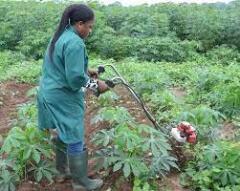
AKILIMO is a digital application that offers site-specific advice for cassava farming using decision trees and algorithms derived from field trials and modeling. Users input farm details, and the tool provides personalized guidance on planting, fertilizing, and harvesting to maximize yield and profit. It's accessible via smartphone app, printable guide, voice response, and chatbot for users of all literacy levels.

This technology is pre-validated.
AKILIMO is a digital application that revolutionizes cassava farming by providing personalized agronomic advice. It effectively addresses common challenges of farmers like inefficient nutrient management and weed infestation, leading to increased agricultural productivity and profitability. To use this technology,
Implementing the recommendations from AKILIMO can lead to significant profits. Farmers who have used the app should determine their profit.
Adults 18 and over: Positive medium
Others: No impact
The poor: No impact
Under 18: Positive high
Women: Positive low
Climate adaptability: Highly adaptable
Farmer climate change readiness: Significant improvement
Biodiversity: No impact on biodiversity
Carbon footprint: Much less carbon released
Environmental health: Does not improve environmental health
Soil quality: Improves soil health and fertility
Water use: Much less water used
Scaling Readiness describes how complete a technology's development is and its ability to be scaled. It produces a score that measures a technology's readiness along two axes: the level of maturity of the idea itself, and the level to which the technology has been used so far.
Each axis goes from 0 to 9 where 9 is the “ready-to-scale” status. For each technology profile in the e-catalogs we have documented the scaling readiness status from evidence given by the technology providers. The e-catalogs only showcase technologies for which the scaling readiness score is at least 8 for maturity of the idea and 7 for the level of use.
The graph below represents visually the scaling readiness status for this technology, you can see the label of each level by hovering your mouse cursor on the number.
Read more about scaling readiness ›
Uncontrolled environment: tested
Common use by projects NOT connected to technology provider
| Maturity of the idea | Level of use | |||||||||
| 9 | ||||||||||
| 8 | ||||||||||
| 7 | ||||||||||
| 6 | ||||||||||
| 5 | ||||||||||
| 4 | ||||||||||
| 3 | ||||||||||
| 2 | ||||||||||
| 1 | ||||||||||
| 1 | 2 | 3 | 4 | 5 | 6 | 7 | 8 | 9 | ||
| Project | Countries | Beneficiaries | Budget (USD) & duration | Key figures |
|---|---|---|---|---|
|
ERAVCDP Eastern Region Agricultural Value Chain Development Project |
|
|
211.4 million 2026–2031 |
|
|
PADCV-PTA Projet d’Appui au Developpement des Chaines de Valeurs en soutien au Programme de Transformation de l’Agriculture |
|
|
321 million 2024–2029 |
|
Figures in italic are from project plans and may change during implementation.
| Country | Testing ongoing | Tested | Adopted |
|---|---|---|---|
| Ghana | –No ongoing testing | Tested | –Not adopted |
| Nigeria | –No ongoing testing | Tested | Adopted |
| Rwanda | –No ongoing testing | Tested | –Not adopted |
| Tanzania | –No ongoing testing | Tested | Adopted |
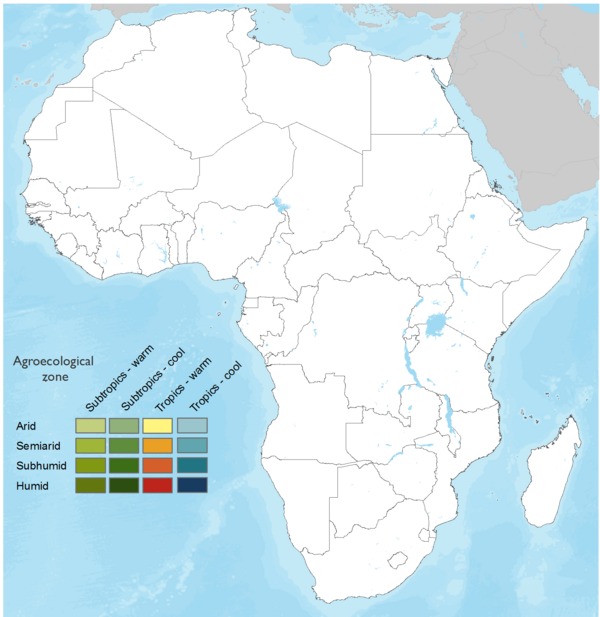
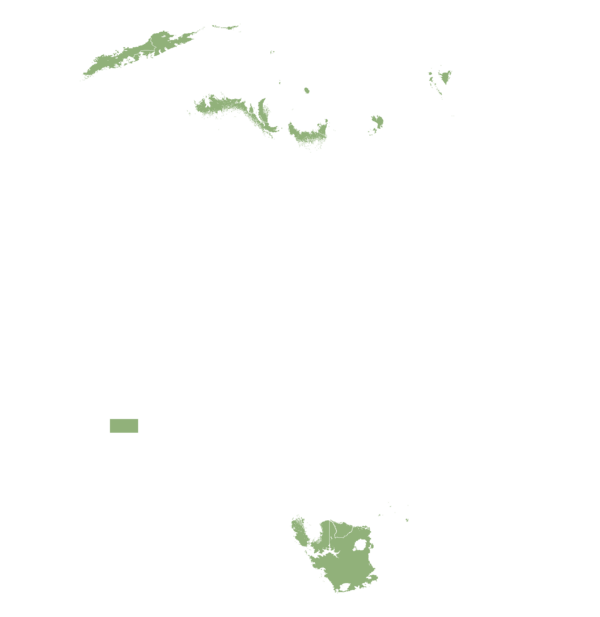
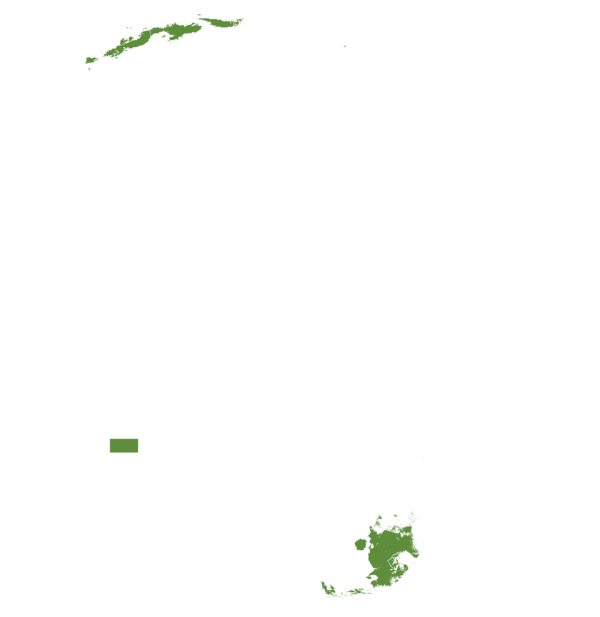
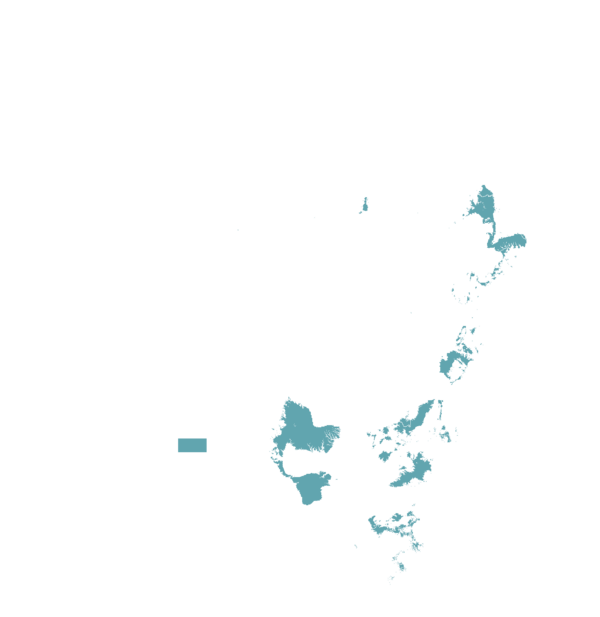
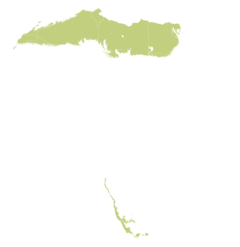
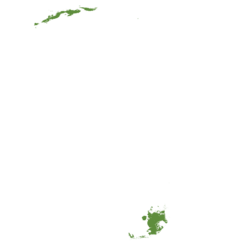
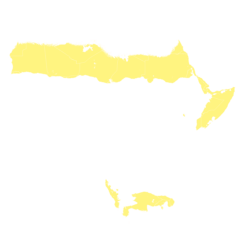
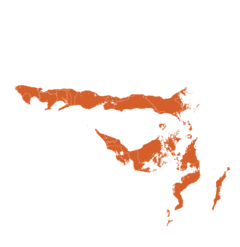
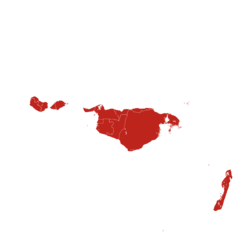
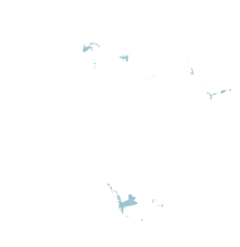
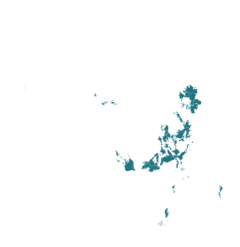
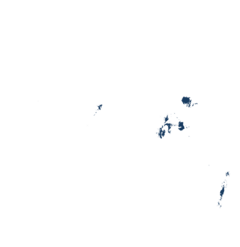
This technology can be used in the colored agro-ecological zones. Any zones shown in white are not suitable for this technology.









| AEZ | Subtropic - warm | Subtropic - cool | Tropic - warm | Tropic - cool |
|---|---|---|---|---|
| Arid | ||||
| Semiarid | ||||
| Subhumid | ||||
| Humid |
Source: HarvestChoice/IFPRI 2009
The United Nations Sustainable Development Goals that are applicable to this technology.


Akilimo can be used by following the procedures below:
For more detailed instructions, you may want to check out the instructional videos available on the AKILIMO portal or the AKILIMO YouTube channel. Please note that the exact steps might vary depending on the version of the app. It’s always a good idea to refer to the official resources for the most accurate information.
Last updated on Sep 21, 2026
This technology can be used in the colored agro-ecological zones.










AKILIMO: Digital Decision Support Tool
https://taat.africa/com/technologies/akilimo-digital-decision-support-tool
Last updated on 21 September 2026, printed on Oct 8, 2026
Enquiries e-catalogs@taat.africa