Logo
TAAT e-catalog for private sector
https://taat.africa/com/technologies/droughttego-drought-tolerant-and-high-yield-maize-varieties
Request information View pitch brochure

DroughtTEGO: Drought tolerant and high yield maize varieties

Boost yields, and income with advanced maize.

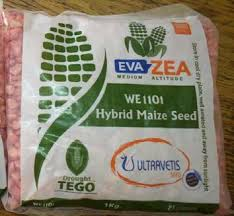
TEGO is an improved varieties maize technology developed to bolster drought resilience and improve grain output in maize cultivation. Developed through collaborative research efforts, TEGO integrates cutting-edge genetic traits, advanced breeding techniques, and climate-smart agricultural practices to address the pressing challenges posed by erratic rainfall patterns and water scarcity in agricultural landscapes.
2

This technology is TAAT1 validated.

Scaling readiness: idea maturity unknown; level of use unknown

Project adoption4

Technology integrated in the Guinea, ENSURE, PADCV-PTA, and PUPSAN projects, in Guinea, Democratic Republic of the Congo, and Mali.
See project details ›

IP

Trademark

Problem

  • Erratic Rainfall Patterns and Water Scarcity: The variability in precipitation poses a significant challenge to agricultural productivity, as crops like maize require sufficient water for optimal growth and development.
  • Challenges Associated with Drought Resilience: Traditional maize varieties often lack sufficient resilience to withstand prolonged drought conditions, resulting in decreased yields and economic losses for farmers.
  • Limited Access to Improved Varieties: Farmers in Sub-Saharan African countries face challenges in accessing improved maize varieties due to limited investments in the seed production sector.
  • Low Productivity in Maize Farming: Conventional maize varieties may not be well-suited for the diverse climatic and soil conditions found in Sub-Saharan Africa, leading to low productivity in maize farming.
  • Food and Nutritional Insecurity: Limited access to improved maize varieties can contribute to food and nutritional insecurity in the region, affecting both the quantity and quality of harvested grain.

Solution

  • TEGO, improved maize varieties with enhanced drought tolerance
  • Breeding of maize hybrids with high yield (20-35% yield increase) potential under drought stress conditions
  • Promotion of sustainable agricultural practices, including conservation agriculture and integrated soil fertility management
  • Provision of training and extension services on climate-smart agricultural practices
  • Empowerment of smallholder farmers through access to improved maize varieties and knowledge resources
  • These varieties are specifically developed to perform well in diverse climatic and soil conditions.

Key points to design your business plan

In this section, you will soon discover essential elements to develop your business plan. You'll find a brief list of important questions to consider before launching your business, along with information on the technology's value proposition, target audience, key resources, strategic partners, and cost structure. This compilation will assist you in evaluating the various crucial aspects to ensure the success of your business.

In the meantime, use the 'Request information' button if you need to contact us.

Adults 18 and over: Positive high

Under 18: Positive medium

Women: Positive medium

Climate adaptability: Highly adaptable

Farmer climate change readiness: Significant improvement

Biodiversity: No impact on biodiversity

Project Beneficiaries Budget Duration Key figures
Guinea
Guinea Emergency Food Production Programme
  • 35,750 farmers (at least 30% of whom are women).
  • 1,650 livestock farms.

25.23 million

2022–2024
  • 2,000 tons of rice seeds and 750 metric tons of corn.
  • 4,845 tons of NPK fertilizer.
ENSURE
Enabling Environments for Sustainable Regional Agriculture Extension
  • 3,000,000 farmers.

13.14 million

2024–2027
  • 149,940 farmer leaders & trained farmers.
  • 9,996 trained.
  • 2 → 3.5 t/ha.
PADCV-PTA
Projet d’Appui au Developpement des Chaines de Valeurs en soutien au Programme de Transformation de l’Agriculture
  • 900,000 smallholder farmers (including 450,000 women).

321 million

2024–2029
  • 62,000 tons of certified seeds.
  • 30,000 people trained.
  • 5,200 hectares of irrigated rice cultivation.
PUPSAN
Emergency Production and Food & Nutrition Security Project
  • 35,274 vulnerable farmers (31.5% women and 20% young people).

7.04 million

2023–2026
  • 1,027.14 tons of certified seed.
  • 2,234 tons of fertilizer.

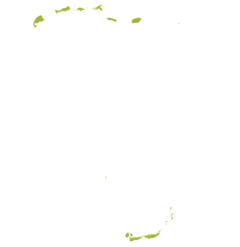
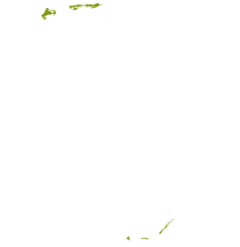
Countries with a green colour
Tested & adopted
Countries with a bright green colour
Adopted
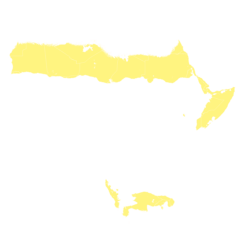
Countries with a yellow colour
Tested
Countries with a blue colour
Testing ongoing
Egypt Equatorial Guinea Ethiopia Algeria Angola Benin Botswana Burundi Burkina Faso Democratic Republic of the Congo Djibouti Côte d’Ivoire Eritrea Gabon Gambia Ghana Guinea Guinea-Bissau Cameroon Kenya Libya Liberia Madagascar Mali Malawi Morocco Mauritania Mozambique Namibia Niger Nigeria Republic of the Congo Rwanda Zambia Senegal Sierra Leone Zimbabwe Somalia South Sudan Sudan South Africa Eswatini Tanzania Togo Tunisia Chad Uganda Western Sahara Central African Republic Lesotho
Countries where the technology is being tested or has been tested and adopted
Country Testing ongoing Tested Adopted
Ethiopia No ongoing testing Tested Adopted
Kenya No ongoing testing Tested Adopted
Mozambique No ongoing testing Tested Adopted
Nigeria No ongoing testing Tested Adopted
South Africa No ongoing testing Tested Adopted
Tanzania No ongoing testing Tested Adopted
Uganda No ongoing testing Tested Adopted

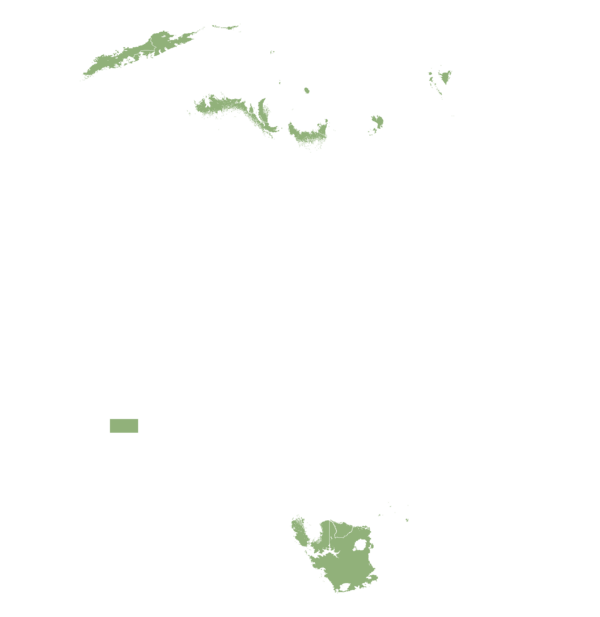
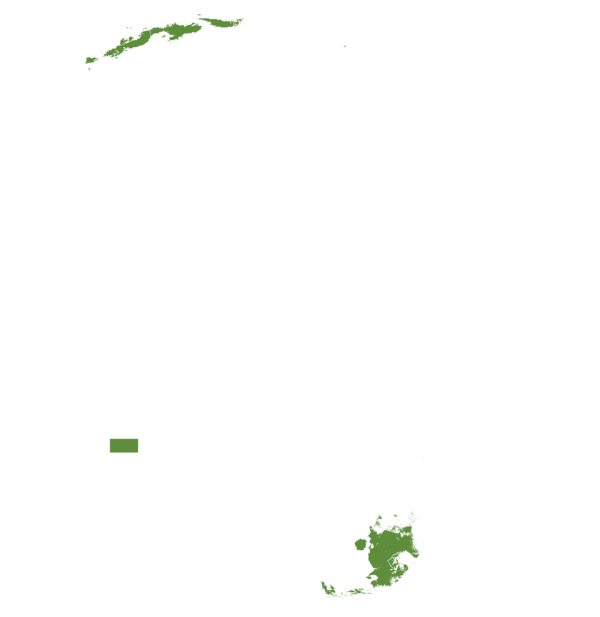
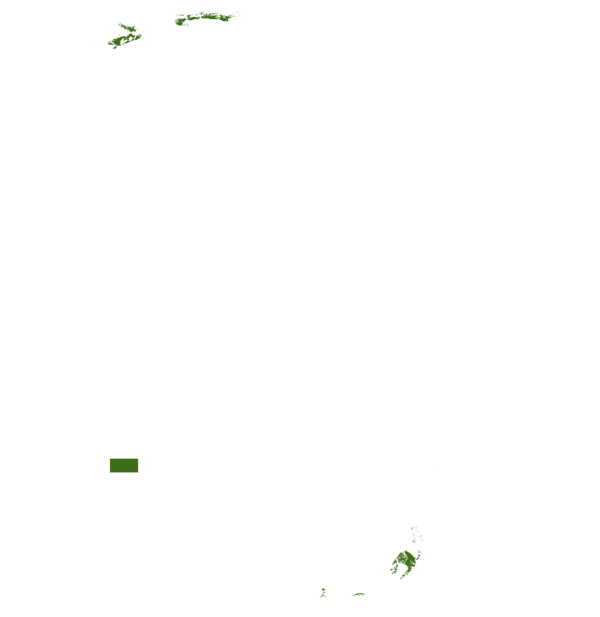
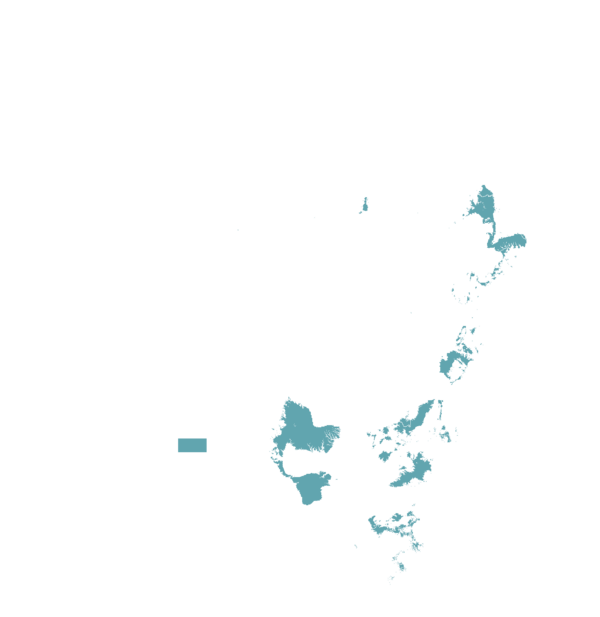
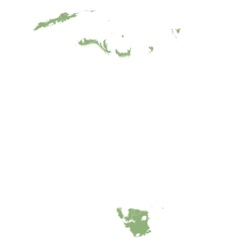
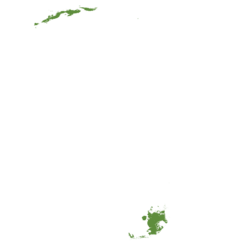
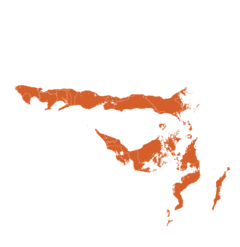
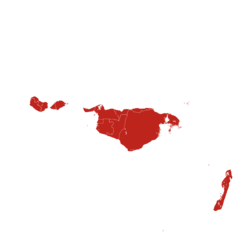
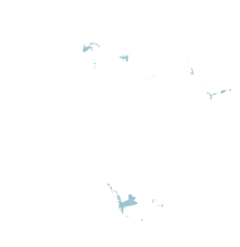
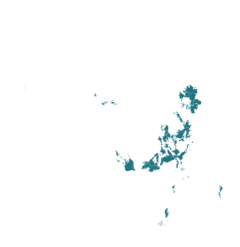
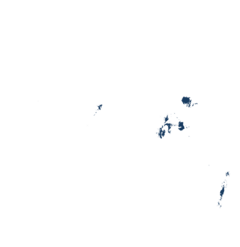
This technology can be used in the colored agro-ecological zones. Any zones shown in white are not suitable for this technology.
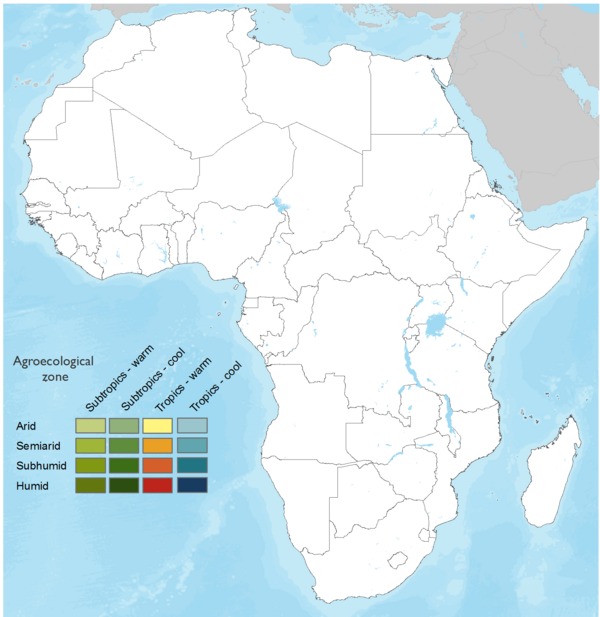
Agro-ecological zones where this technology can be used
AEZ Subtropic - warm Subtropic - cool Tropic - warm Tropic - cool
Arid
Semiarid
Subhumid
Humid

Source: HarvestChoice/IFPRI 2009

The United Nations Sustainable Development Goals that are applicable to this technology.
Sustainable Development Goal 1: no poverty
Goal 1: no poverty
Sustainable Development Goal 2: zero hunger
Goal 2: zero hunger
Sustainable Development Goal 8: decent work and economic growth
Goal 8: decent work and economic growth
Sustainable Development Goal 13: climate action
Goal 13: climate action

  1. Selection: Choose the appropriate DroughtTEGO variety based on local climate and soil conditions.
  2. Planting: Follow standard maize planting practices, ensuring optimal soil and fertilizer management.
  3. Nutrient Optimization: In low-fertility soils, supplement with inorganic fertilizers to enhance nutrient uptake.
  4. Complementary Practices: Consider legume intercropping, manure application, and mulching for added nutrients and water retention.

Last updated on Jul 3, 2026