TAAT e-catalog
for
private sector
https://taat.africa/com/technologies/furrow-irrigated-raised-bed-wheat-production
Smart Irrigation, Bountiful Harvests
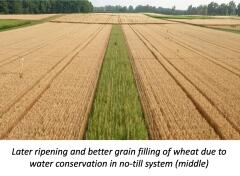
This technique involves creating raised beds, 40-130 cm wide and 10-20 cm tall, with furrows 20-50 cm wide in between. Crops are planted on top of the beds, and water is directed to the furrows, ensuring even irrigation and maintaining optimal soil moisture. The engineered surface enhances rainwater collection, reducing soil erosion. Capillary forces and evapotranspiration prevent waterlogging, protecting wheat crops. This method is effective only with specific varieties of irrigated wheat. In Ethiopia, these varieties include Amibera, Ga’ambo, Kakaba, Fentale-2, Shorima, Dandaa, and Ogolcho. In Nigeria, the varieties are Attila, Reyna 28, Norman Borlaug, Pastor, Imam, and Kauz. In Sudan, suitable varieties include Goumria, Zakia, Imam, Elnielain, Bohaine, Argine, Akasha, Zaidab, Ageeb, Ashri, Amel, and Al-Shibak.
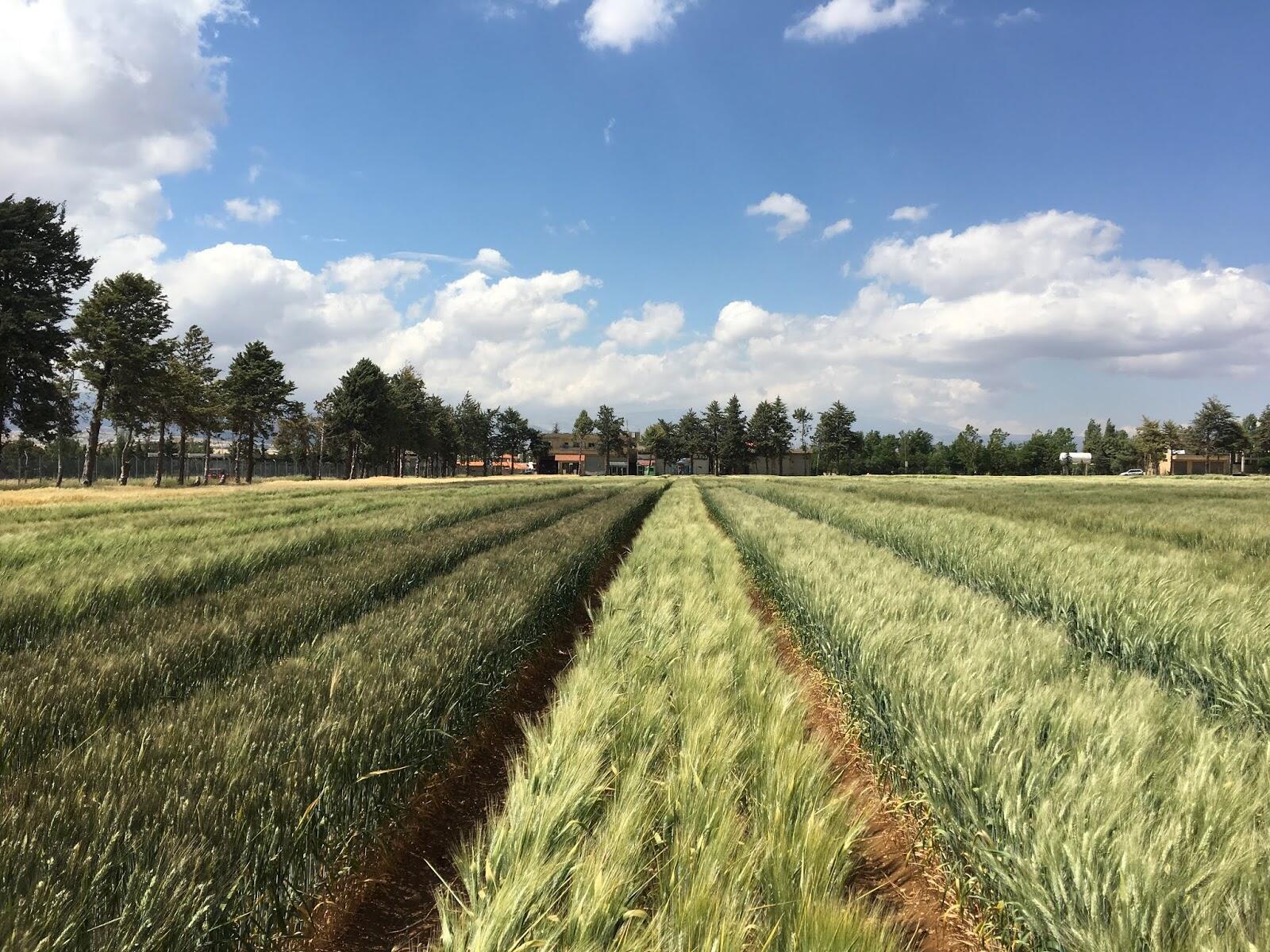
This technology is TAAT1 validated.
sheet plastic per ha
water from planting to harvest
Open source / open access
For Farmers:
The practice of Furrow Irrigated Raised Bed Wheat Production involves creating raised beds and furrows in the soil, which can be done using specific equipment. This equipment is designed to construct beds that are 40-130 cm wide and 10-20 cm tall, with furrows of 20-50 cm wide in between.
Here are the key elements for a farmer in Africa to consider for Furrow Irrigated Raised Bed Wheat Production :
Adults 18 and over: Positive high
The poor: Positive high
Under 18: Positive medium
Women: Positive high
Climate adaptability: Highly adaptable
Farmer climate change readiness: Significant improvement
Biodiversity: No impact on biodiversity
Carbon footprint: Same amount of carbon released
Environmental health: Does not improve environmental health
Soil quality: Improves soil health and fertility
Water use: Same amount of water used
Scaling Readiness describes how complete a technology's development is and its ability to be scaled. It produces a score that measures a technology's readiness along two axes: the level of maturity of the idea itself, and the level to which the technology has been used so far.
Each axis goes from 0 to 9 where 9 is the “ready-to-scale” status. For each technology profile in the e-catalogs we have documented the scaling readiness status from evidence given by the technology providers. The e-catalogs only showcase technologies for which the scaling readiness score is at least 8 for maturity of the idea and 7 for the level of use.
The graph below represents visually the scaling readiness status for this technology, you can see the label of each level by hovering your mouse cursor on the number.
Read more about scaling readiness ›
Semi-controlled environment: prototype
Common use by projects NOT connected to technology provider
| Maturity of the idea | Level of use | |||||||||
| 9 | ||||||||||
| 8 | ||||||||||
| 7 | ||||||||||
| 6 | ||||||||||
| 5 | ||||||||||
| 4 | ||||||||||
| 3 | ||||||||||
| 2 | ||||||||||
| 1 | ||||||||||
| 1 | 2 | 3 | 4 | 5 | 6 | 7 | 8 | 9 | ||
| Project | Countries | Beneficiaries | Budget (USD) & duration | Key figures |
|---|---|---|---|---|
|
CREW Climate Resilient Wheat Value Chain Development Project |
|
|
94.30 million 2023–2028 |
|
|
ERAVCDP Eastern Region Agricultural Value Chain Development Project |
|
|
211.4 million 2026–2031 |
|
|
SEWPP Emergency Wheat Production Project |
|
|
73.81 million 2023–2025 |
|
|
TAISP Agricultural Inputs Support Project |
|
|
84.07 million 2022–2028 |
|
Figures in italic are from project plans and may change during implementation.
| Country | Testing ongoing | Tested | Adopted |
|---|---|---|---|
| Ethiopia | –No ongoing testing | Tested | Adopted |
| Kenya | –No ongoing testing | Tested | Adopted |
| Niger | –No ongoing testing | Tested | Adopted |
| Nigeria | –No ongoing testing | Tested | Adopted |
| South Africa | –No ongoing testing | Tested | Adopted |
| Sudan | –No ongoing testing | Tested | Adopted |
| Uganda | –No ongoing testing | Tested | Adopted |
| Zambia | –No ongoing testing | Tested | Adopted |
| Zimbabwe | –No ongoing testing | Tested | Adopted |
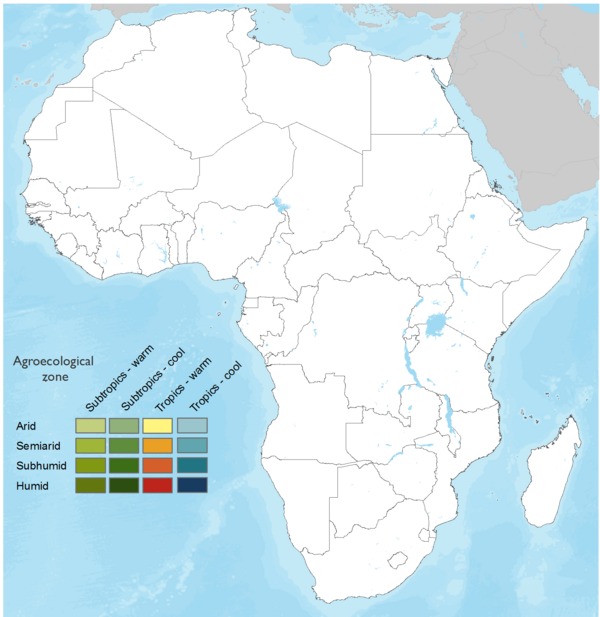
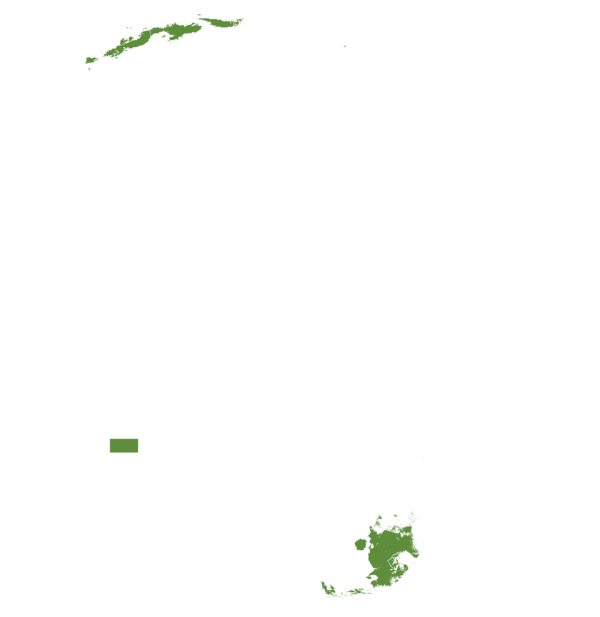
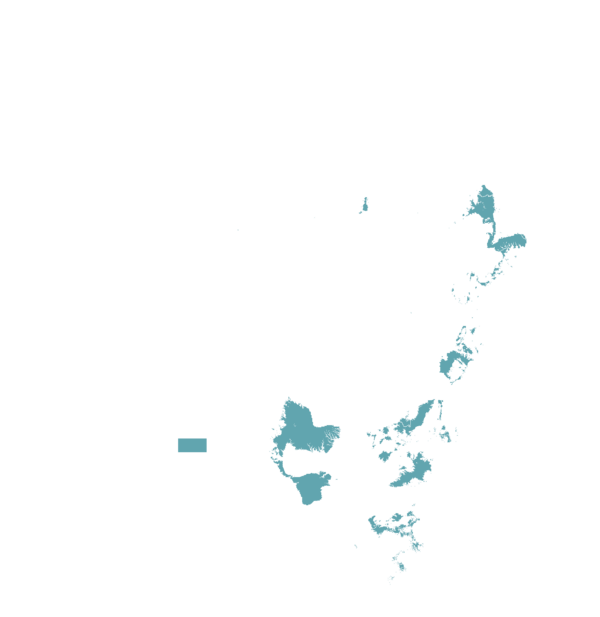
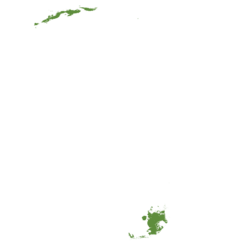
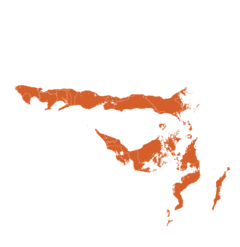
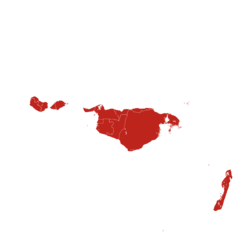
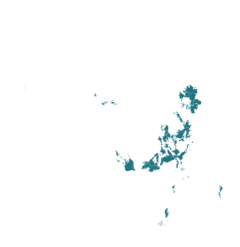
This technology can be used in the colored agro-ecological zones. Any zones shown in white are not suitable for this technology.









| AEZ | Subtropic - warm | Subtropic - cool | Tropic - warm | Tropic - cool |
|---|---|---|---|---|
| Arid | – | – | – | – |
| Semiarid | ||||
| Subhumid | ||||
| Humid |
Source: HarvestChoice/IFPRI 2009
The United Nations Sustainable Development Goals that are applicable to this technology.
Inspect Field and Determine Slope:
Prepare the Soil:
Install Distribution Channel and Drainage Collector:
Create Raised Beds and Furrows:
Level Beds and Optional Covering:
Optimize Crop Growth and Rotation :
Last updated on Sep 21, 2026
This technology can be used in the colored agro-ecological zones.









Furrow Irrigated Raised Bed Wheat Production
https://taat.africa/com/technologies/furrow-irrigated-raised-bed-wheat-production
Last updated on 21 September 2026, printed on Oct 8, 2026
Enquiries e-catalogs@taat.africa