
TAAT e-catalog
for
private sector
https://taat.africa/com/technologies/mandiplus-cutting-dipping-in-insecticides-for-management-of-cassava-whiteflies
Dip once, Defend for months – MandiPlus controls whiteflies, reduces viruses and boosts cassava yield
MandiPlus is a special treatment for cassava cuttings (the pieces used to grow new cassava plants). It helps farmers use shorter cuttings without losing plant growth or the amount of cassava they harvest.
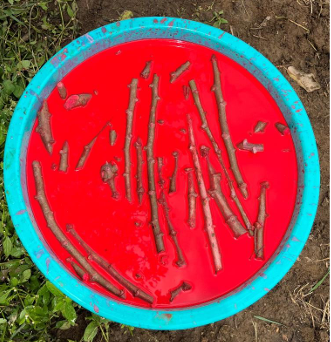
The way it works is by soaking the cuttings in a mix of insecticide, fungicide, and a sticky paint-like substance. This coating protects the cuttings from insects and diseases, especially from whiteflies and viruses that can harm the plants. After soaking for about an hour, the cuttings are dried for a short time and then planted as usual.
MandiPlus makes cassava planting cheaper, faster, and safer. It helps the cuttings grow better, reduces damage from pests and diseases, and leads to more cassava being harvested. This technology is designed to help small farmers get better and healthier plants with less effort and cost.
This technology is pre-validated.
Open source / open access
For Users (Farmers):
Distribution
MandiPlus is distributed exclusively through licensed agrochemical dealers who stock the product for farmers’ purchase. These dealers currently operate in cassava-producing regions such as Tanzania, Nigeria, and other countries, with many opportunities for further expansion.
Climate adaptability: Highly adaptable
This technology is not affected by weather
Farmer climate change readiness: Significant improvement
This technology can help farmers to increase cassava yield up to 50% in regions affected by whiteflies
Biodiversity: Not verified
Environmental health: Not verified
Soil quality: Not yet estimated
Scaling Readiness describes how complete a technology's development is and its ability to be scaled. It produces a score that measures a technology's readiness along two axes: the level of maturity of the idea itself, and the level to which the technology has been used so far.
Each axis goes from 0 to 9 where 9 is the “ready-to-scale” status. For each technology profile in the e-catalogs we have documented the scaling readiness status from evidence given by the technology providers. The e-catalogs only showcase technologies for which the scaling readiness score is at least 8 for maturity of the idea and 7 for the level of use.
The graph below represents visually the scaling readiness status for this technology, you can see the label of each level by hovering your mouse cursor on the number.
Read more about scaling readiness ›
Uncontrolled environment: validated
Common use by projects NOT connected to technology provider
| Maturity of the idea | Level of use | |||||||||
| 9 | ||||||||||
| 8 | ||||||||||
| 7 | ||||||||||
| 6 | ||||||||||
| 5 | ||||||||||
| 4 | ||||||||||
| 3 | ||||||||||
| 2 | ||||||||||
| 1 | ||||||||||
| 1 | 2 | 3 | 4 | 5 | 6 | 7 | 8 | 9 | ||
| Country | Testing ongoing | Tested | Adopted |
|---|---|---|---|
| Kenya | Testing ongoing | –Not tested | –Not adopted |
| Malawi | –No ongoing testing | Tested | –Not adopted |
| Tanzania | –No ongoing testing | Tested | –Not adopted |
| Uganda | –No ongoing testing | Tested | –Not adopted |
This technology can be used in the colored agro-ecological zones. Any zones shown in white are not suitable for this technology.
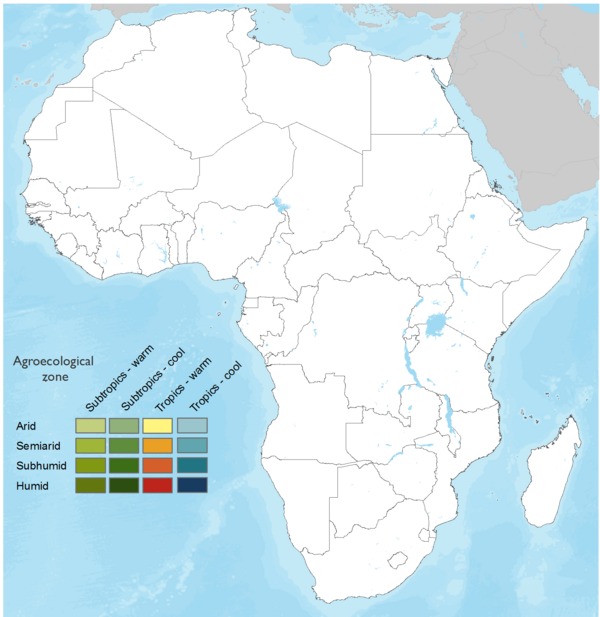


| AEZ | Subtropic - warm | Subtropic - cool | Tropic - warm | Tropic - cool |
|---|---|---|---|---|
| Arid | – | – | – | – |
| Semiarid | – | – | – | – |
| Subhumid | – | – | – | |
| Humid | – | – | – |
Source: HarvestChoice/IFPRI 2009
The United Nations Sustainable Development Goals that are applicable to this technology.

Control of the whitefly pest in cassava translates to increased yield and higher household income from sales.
Control of the whitefly pest contributes to increased yield and food availability.

Control of whitefly pest which causes damage through sucking sap from plants reduces water stress effects in plants.
Put on protective clothes like waterproof overalls, boots, gloves, a mask, and a head cover to stay safe.
Prepare the MandiPlus solution by mixing:
80 mL of the insecticide Cruiser® 350FS
160 mL of the fungicide Maxim XL 035FS
200 mL of white vinyl paint (this helps the mix stick)
10 liters of water
You can adjust the amounts if you need more or less solution.
Cut your cassava stakes into the size you want to plant.
Mix the solution well until it is even.
Put the cuttings in a plastic bag with holes or directly into a container.
Soak the cuttings in the MandiPlus solution for about 1 hour.
After soaking, take the cuttings out and spread them on a tarp or plastic sheet to dry for 15–20 minutes in the shade.
Once dry, plant the cuttings as you normally would, wearing gloves to protect your hands.
Clean all tools and containers used and wash yourself well after finishing.
Dispose of any leftover chemicals carefully, away from water sources, food, animals, and children, following local safety rules.
This process helps protect your cassava from pests and diseases, making your crop healthier and more productive.
Last updated on Sep 30, 2026
This technology can be used in the colored agro-ecological zones.



MandiPlus: Cutting dipping in insecticides for management of cassava whiteflies
https://taat.africa/com/technologies/mandiplus-cutting-dipping-in-insecticides-for-management-of-cassava-whiteflies
Last updated on 30 September 2026, printed on Oct 8, 2026
Enquiries e-catalogs@taat.africa