TAAT e-catalog
for
private sector
https://taat.africa/com/technologies/mechanized-cassava-planting-and-harvesting
Empowering Cassava Farmers: More Yield, Less Labor, Better Quality
Mechanized cassava planting and harvesting technology is a specialized machinery of two-row planters and harvesters, typically operated by tractors. This technology significantly improves the efficiency of cassava farming by reducing labor requirements, increasing productivity, and minimizing root damage during harvesting. It not only addresses the labor bottleneck associated with manual planting and harvesting but also plays a vital role in increasing cassava yields, making cassava farming more competitive, and reducing production costs.
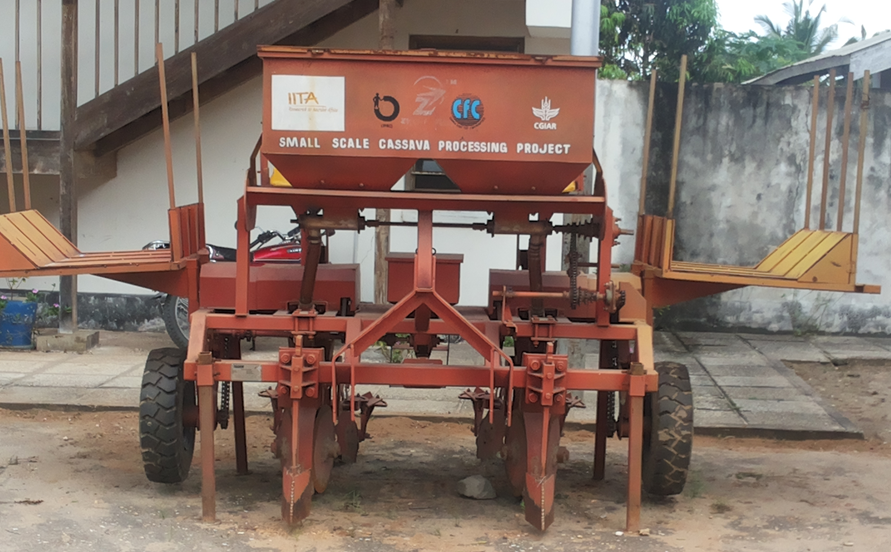
This technology is TAAT1 validated.
Cost of mechanized planting
Cost of mechanized harvesting
Open source / open access
The Mechanized Cassava Planting and Harvesting technology may be of interest to fleet managers, and users (farmers).
Fleet managers
Introducing mechanized combines to the farming world can significantly reduce harvest losses commonly experienced. To effectively enter this market, consider the following steps:
Source the equipment from countries like Ethiopia, Kenya, Nigeria, Tanzania, Zambia, and Zimbabwe.
Identify efficient transportation methods and suitable storage facilities for the equipment.
Determine the cost based on the size of the technology. Factor in transport costs, import duties, and taxes.
Enhance fleet management with tools like the Hello Tracteur app, available for free on the App Store. This app can optimize operational efficiency by providing detailed reports for precise adjustments.
Target potential customers such as farmers, development projects, and farmers' cooperatives or associations.
Users
Utilizing mechanized cassava planting and harvesting technology can lead to significant improvements.
Key partners include sellers or fleet managers of mechanized equipment for cassava planting and harvesting.
In terms of cost structure, considering the cost of mechanized planting (13 USD/ha) is relatively lower than manual planting (29 USD/ha). Harvesting cost under mechanized operation (25 USD/ha) is lower than under manual operation (61 USD/ha).. Factor in delivery costs, import duties, and taxes, considering the technology's sourcing from countries like Tanzania, Ghana, Nigeria, Zambia.
Adults 18 and over: Positive high
The poor: Positive low
Under 18: Positive low
Women: Positive low
Climate adaptability: Moderately adaptable
Farmer climate change readiness: Significant improvement
Biodiversity: No impact on biodiversity
Carbon footprint: Same amount of carbon released
Environmental health: Greatly improves environmental health
Soil quality: Does not affect soil health and fertility
Water use: Same amount of water used
Scaling Readiness describes how complete a technology's development is and its ability to be scaled. It produces a score that measures a technology's readiness along two axes: the level of maturity of the idea itself, and the level to which the technology has been used so far.
Each axis goes from 0 to 9 where 9 is the “ready-to-scale” status. For each technology profile in the e-catalogs we have documented the scaling readiness status from evidence given by the technology providers. The e-catalogs only showcase technologies for which the scaling readiness score is at least 8 for maturity of the idea and 7 for the level of use.
The graph below represents visually the scaling readiness status for this technology, you can see the label of each level by hovering your mouse cursor on the number.
Read more about scaling readiness ›
Uncontrolled environment: tested
Common use by projects NOT connected to technology provider
| Maturity of the idea | Level of use | |||||||||
| 9 | ||||||||||
| 8 | ||||||||||
| 7 | ||||||||||
| 6 | ||||||||||
| 5 | ||||||||||
| 4 | ||||||||||
| 3 | ||||||||||
| 2 | ||||||||||
| 1 | ||||||||||
| 1 | 2 | 3 | 4 | 5 | 6 | 7 | 8 | 9 | ||
| Project | Countries | Beneficiaries | Budget (USD) & duration | Key figures |
|---|---|---|---|---|
|
ENSURE Enabling Environments for Sustainable Regional Agriculture Extension |
|
|
13.14 million 2024–2027 |
|
Figures in italic are from project plans and may change during implementation.
| Country | Testing ongoing | Tested | Adopted |
|---|---|---|---|
| Ghana | –No ongoing testing | Tested | Adopted |
| Nigeria | –No ongoing testing | Tested | Adopted |
| Tanzania | –No ongoing testing | Tested | Adopted |
| Zambia | –No ongoing testing | Tested | Adopted |
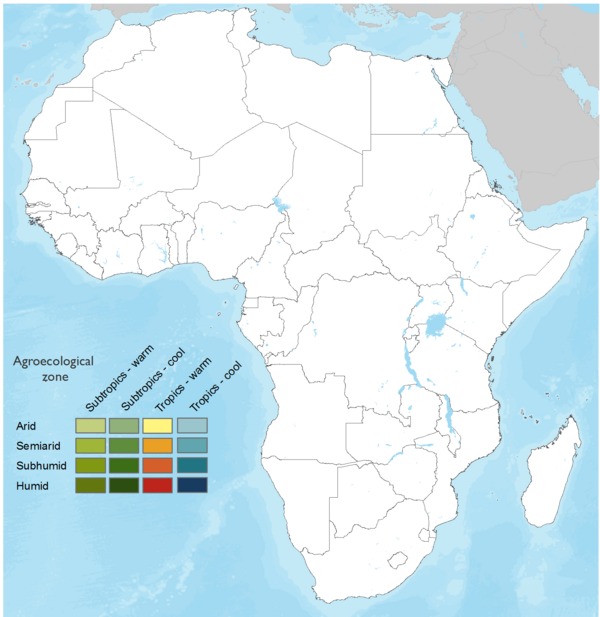
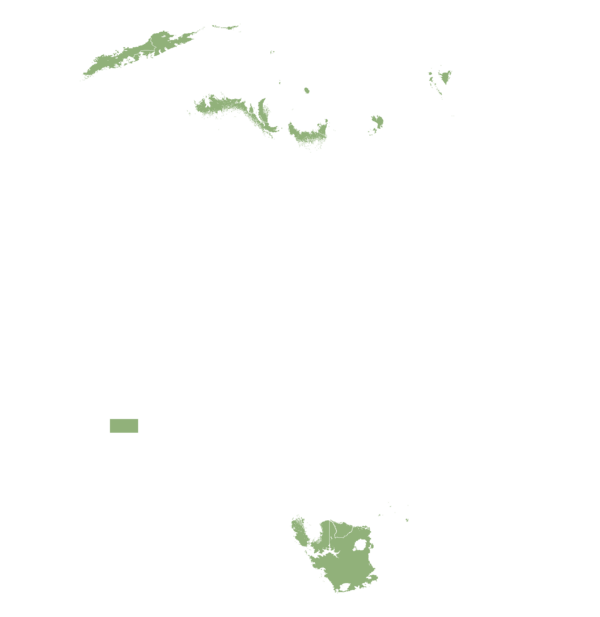
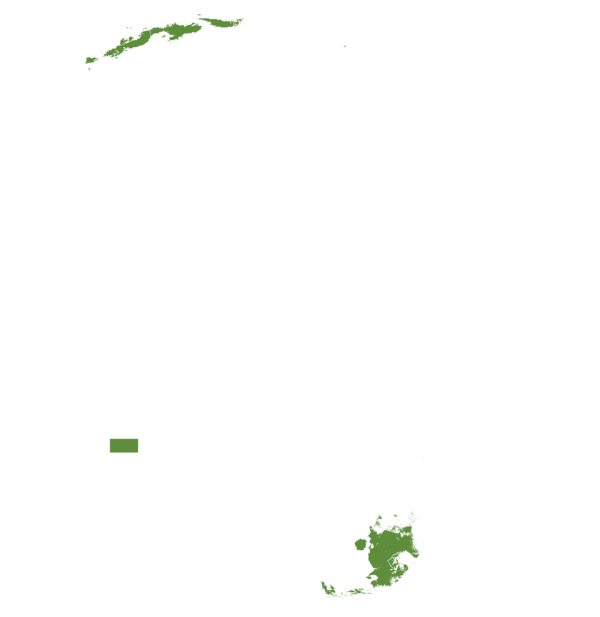
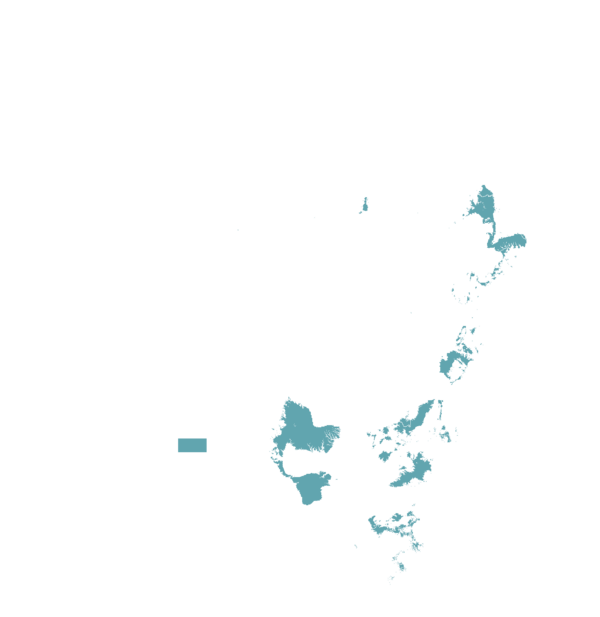
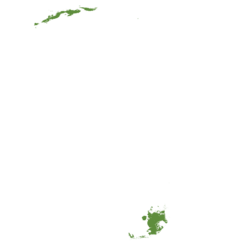
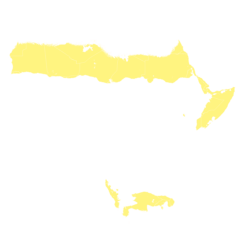
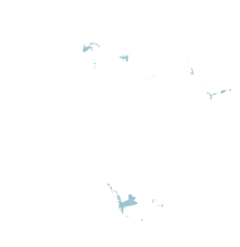
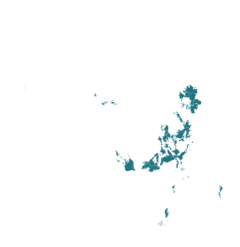
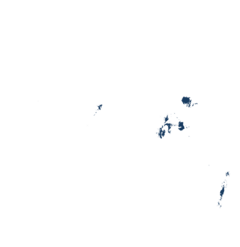
This technology can be used in the colored agro-ecological zones. Any zones shown in white are not suitable for this technology.









| AEZ | Subtropic - warm | Subtropic - cool | Tropic - warm | Tropic - cool |
|---|---|---|---|---|
| Arid | ||||
| Semiarid | ||||
| Subhumid | ||||
| Humid |
Source: HarvestChoice/IFPRI 2009
The United Nations Sustainable Development Goals that are applicable to this technology.


The steps involved in mechanized cassava planting and harvesting are:
Mechanical Planting:
Mechanical Harvesting:
Last updated on Oct 1, 2026
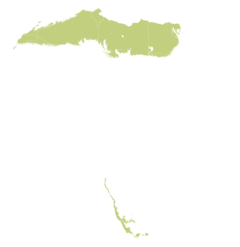
This technology can be used in the colored agro-ecological zones.












Mechanized Cassava Planting and Harvesting
https://taat.africa/com/technologies/mechanized-cassava-planting-and-harvesting
Last updated on 1 October 2026, printed on Oct 8, 2026
Enquiries e-catalogs@taat.africa