
TAAT e-catalog
for
private sector
https://taat.africa/com/technologies/ofsp-puree-and-products-puree-production-and-products-for-sweet-potato
Effortless sweet potato puree, every time!
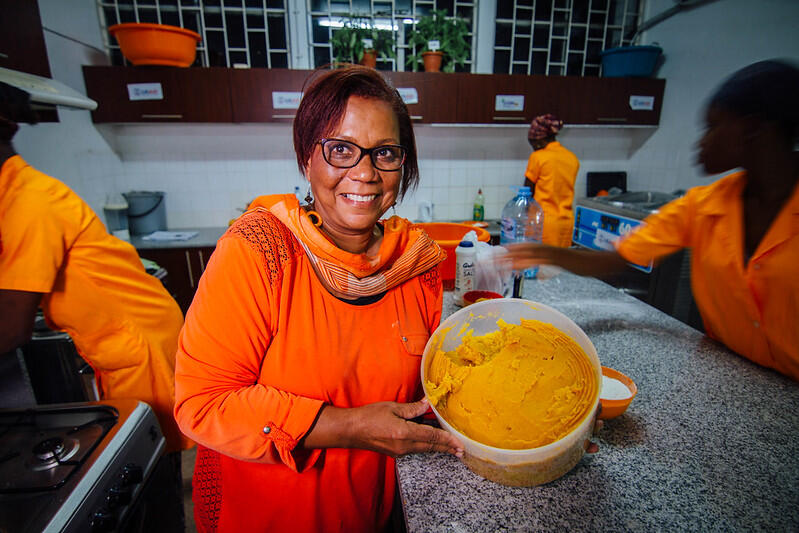
The OFSP (Orange-fleshed sweet potato) puree technology involves the conversion of fresh sweet potato tubers into a stable and versatile puree. The process includes cleaning, steaming, peeling, and mashing or pureeing the sweet potato flesh. This results in a smooth and uniform puree suitable for various food applications. Vacuum-packed storage technology with preservatives extends the shelf life of the puree. Hygiene and food safety practices are maintained throughout the process.
This technology is TAAT1 validated.
Open source / open access
Inefficient processing: Manual peeling, cooking and mashing of OFSP roots are time- and labor-intensive, limiting processing capacity and increasing operational effort.
Inconsistent product quality: Manual processing can result in variations in texture, hygiene and product quality, making it difficult to consistently meet processing and market requirements.
Limited shelf life: Freshly processed OFSP puree deteriorates quickly without appropriate preservation and packaging, limiting storage, distribution and commercial use.
Efficient processing: Cleaning, steaming, peeling and mechanical pureeing streamline OFSP processing and increase production efficiency.
Consistent product quality: Standardized processing and hygiene practices improve puree consistency and support food safety requirements.
Extended shelf life: Vacuum packaging and appropriate preservation extend storage life, supporting distribution and commercial use.
This technology is beneficial for manufactures (Food processors):
Introducing Orange-fleshed sweet potato (OFSP) puree production and products technology into your business offers a sustainable solution to food processing, promoting agricultural efficiency and economic sustainability. To effectively integrate this technology:
For example, a study in Kenya found that the cost of producing OFSP puree amounted to USD 0.53 per kilogram in a cottage-sized facility, which is below the current production cost of wheat flour at USD 0.61 per kilogram. Increasing the boiler equipment could decrease the manufacturing costs of sweet potato puree to USD 0.36 per kilogram.
Your potential consumers include supermarkets, bakeries, and other food processing businesses.
Adults 18 and over: Positive high
Women: Positive low
Climate adaptability: Highly adaptable
Farmer climate change readiness: Significant improvement
Carbon footprint: A bit less carbon released
Environmental health: Does not improve environmental health
Water use: Same amount of water used
Scaling Readiness describes how complete a technology's development is and its ability to be scaled. It produces a score that measures a technology's readiness along two axes: the level of maturity of the idea itself, and the level to which the technology has been used so far.
Each axis goes from 0 to 9 where 9 is the “ready-to-scale” status. For each technology profile in the e-catalogs we have documented the scaling readiness status from evidence given by the technology providers. The e-catalogs only showcase technologies for which the scaling readiness score is at least 8 for maturity of the idea and 7 for the level of use.
The graph below represents visually the scaling readiness status for this technology, you can see the label of each level by hovering your mouse cursor on the number.
Read more about scaling readiness ›
Uncontrolled environment: tested
Used by some intended users, in the real world
| Maturity of the idea | Level of use | |||||||||
| 9 | ||||||||||
| 8 | ||||||||||
| 7 | ||||||||||
| 6 | ||||||||||
| 5 | ||||||||||
| 4 | ||||||||||
| 3 | ||||||||||
| 2 | ||||||||||
| 1 | ||||||||||
| 1 | 2 | 3 | 4 | 5 | 6 | 7 | 8 | 9 | ||
| Country | Testing ongoing | Tested | Adopted |
|---|---|---|---|
| Kenya | –No ongoing testing | –Not tested | Adopted |
| Malawi | –No ongoing testing | –Not tested | Adopted |
| Mozambique | –No ongoing testing | –Not tested | Adopted |
| Rwanda | –No ongoing testing | –Not tested | Adopted |
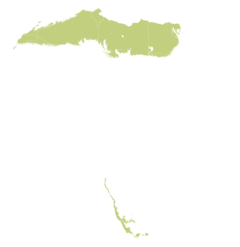
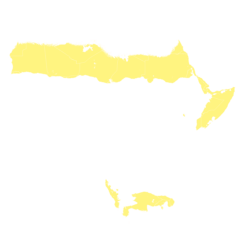
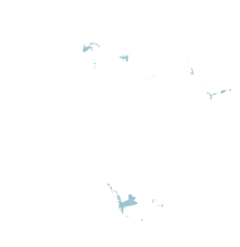
This technology can be used in the colored agro-ecological zones. Any zones shown in white are not suitable for this technology.
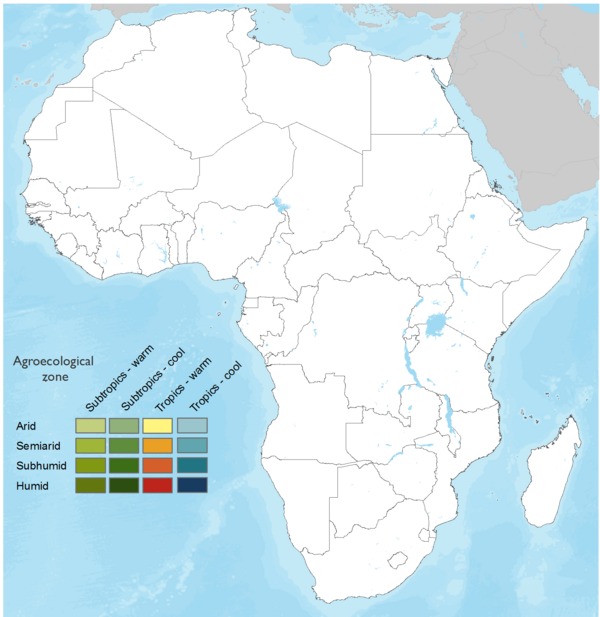



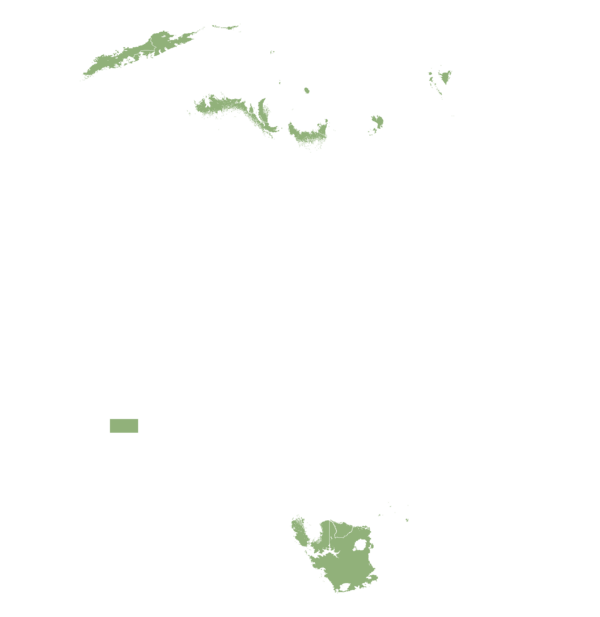





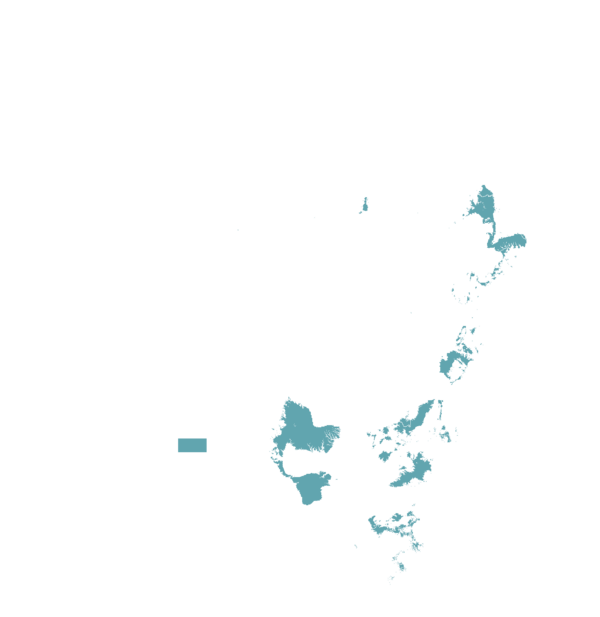


| AEZ | Subtropic - warm | Subtropic - cool | Tropic - warm | Tropic - cool |
|---|---|---|---|---|
| Arid | ||||
| Semiarid | ||||
| Subhumid | ||||
| Humid |
Source: HarvestChoice/IFPRI 2009
The United Nations Sustainable Development Goals that are applicable to this technology.

Making sweet potato puree using technology to turn fresh, sweet potatoes into a smooth, mashed-up mixture.
Last updated on Sep 22, 2026
This technology can be used in the colored agro-ecological zones.















OFSP puree and products: Puree Production and Products for Sweet Potato
https://taat.africa/com/technologies/ofsp-puree-and-products-puree-production-and-products-for-sweet-potato
Last updated on 22 September 2026, printed on Oct 8, 2026
Enquiries e-catalogs@taat.africa