
TAAT e-catalog
for
private sector
https://taat.africa/com/technologies/pneumatic-cassava-dryers
Low-cost mechanized drying of cassava using Flash Dryers
The equipment "Mechanized Drying of Cassava using Flash Dryers (Pneumatic Dryers)" is a vital component in the cassava processing chain. The process involves the wet product entering the drying duct and being carried by a hot airstream, utilizing negative or positive pressure conveying systems in pneumatic dryers. As the material is transported, heat is transferred to the particles, drying the material as it moves through the system. A cyclone is commonly used at the end of the drying duct to separate the dry product from the drying air. The technology's large surface area of product particles allows for high drying rates and short residence times, facilitating the drying of heat-sensitive materials at relatively high temperatures without overheating. The flash dryer is comprised of a feeding point, a drying duct carrying cassava grits dried by a hot airstream, an air blower, and a cyclone for separating the dried material from the drying air. This innovative technology significantly aids in efficiently and economically converting cassava into higher value-added products like starch and high-quality cassava flour, revolutionizing the cassava processing industry.
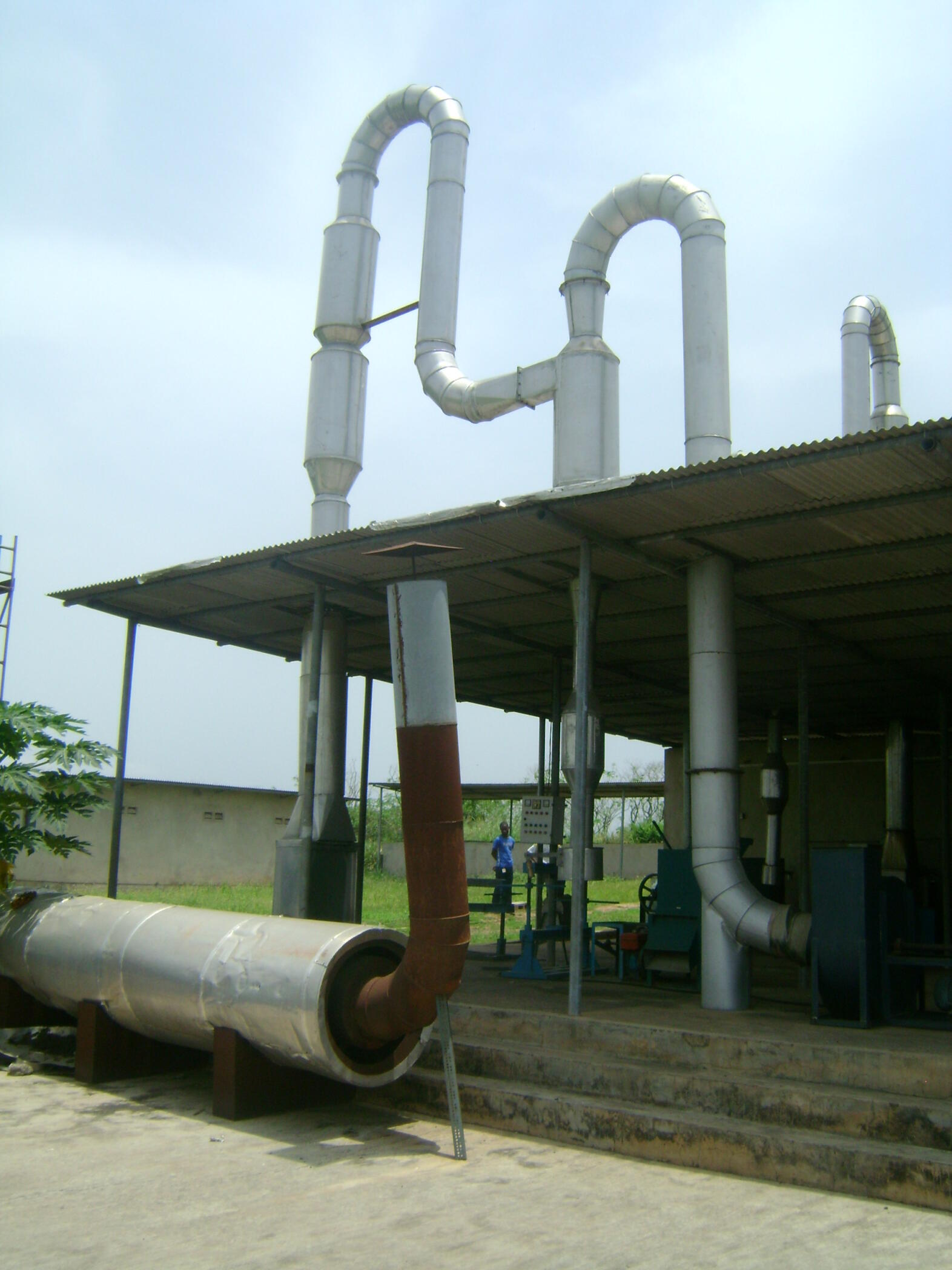
This technology is TAAT1 validated.
Open source / open access
The Mechanized drying of cassava using flash fryers technology may be of interest to users (food industry).
Users
Utilizing mechanized drying of cassava using flash fryers presents significant advantages in processing efficiency.
Key partners in this initiative include manufacturers of mechanized equipment specialized for cassava drying using flash fryers.
In terms of cost structure, consider the cost of equipment and maintenance.
It's crucial to consider additional expenses such as delivery costs, import duties, and taxes, especially since the technology may be sourced from countries like Cameroon, Democratic Republic of the Congo, Tanzania, Uganda, Ghana, Liberia, Nigeria, Sierra Leone, Malawi, Za
Adults 18 and over: Positive medium
The poor: Positive medium
Under 18: Positive medium
Women: Positive high
Climate adaptability: Moderately adaptable
Biodiversity: No impact on biodiversity
Carbon footprint: Same amount of carbon released
Environmental health: Moderately improves environmental health
Water use: Same amount of water used
Scaling Readiness describes how complete a technology's development is and its ability to be scaled. It produces a score that measures a technology's readiness along two axes: the level of maturity of the idea itself, and the level to which the technology has been used so far.
Each axis goes from 0 to 9 where 9 is the “ready-to-scale” status. For each technology profile in the e-catalogs we have documented the scaling readiness status from evidence given by the technology providers. The e-catalogs only showcase technologies for which the scaling readiness score is at least 8 for maturity of the idea and 7 for the level of use.
The graph below represents visually the scaling readiness status for this technology, you can see the label of each level by hovering your mouse cursor on the number.
Read more about scaling readiness ›
Uncontrolled environment: tested
Used by some intended users, in the real world
| Maturity of the idea | Level of use | |||||||||
| 9 | ||||||||||
| 8 | ||||||||||
| 7 | ||||||||||
| 6 | ||||||||||
| 5 | ||||||||||
| 4 | ||||||||||
| 3 | ||||||||||
| 2 | ||||||||||
| 1 | ||||||||||
| 1 | 2 | 3 | 4 | 5 | 6 | 7 | 8 | 9 | ||
| Country | Testing ongoing | Tested | Adopted |
|---|---|---|---|
| Cameroon | –No ongoing testing | Tested | Adopted |
| Democratic Republic of the Congo | –No ongoing testing | Tested | Adopted |
| Ghana | –No ongoing testing | Tested | Adopted |
| Liberia | –No ongoing testing | Tested | Adopted |
| Madagascar | –No ongoing testing | –Not tested | Adopted |
| Malawi | –No ongoing testing | Tested | Adopted |
| Nigeria | –No ongoing testing | Tested | Adopted |
| Sierra Leone | –No ongoing testing | Tested | Adopted |
| Tanzania | –No ongoing testing | Tested | Adopted |
| Uganda | –No ongoing testing | Tested | Adopted |
| Zambia | –No ongoing testing | Tested | Adopted |
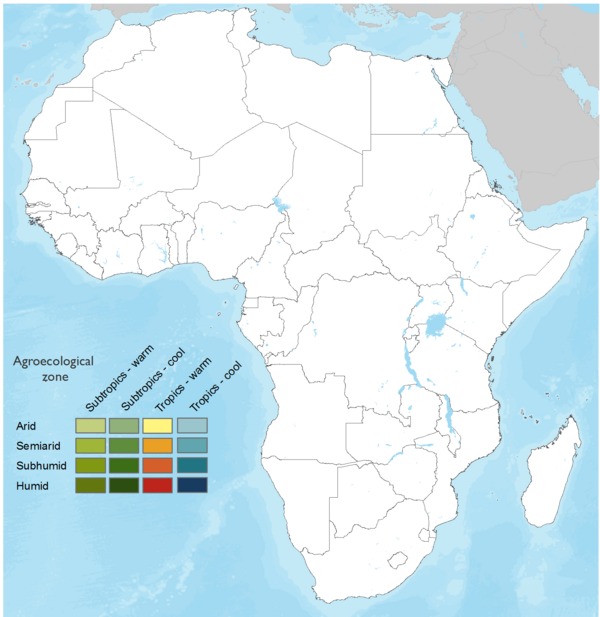
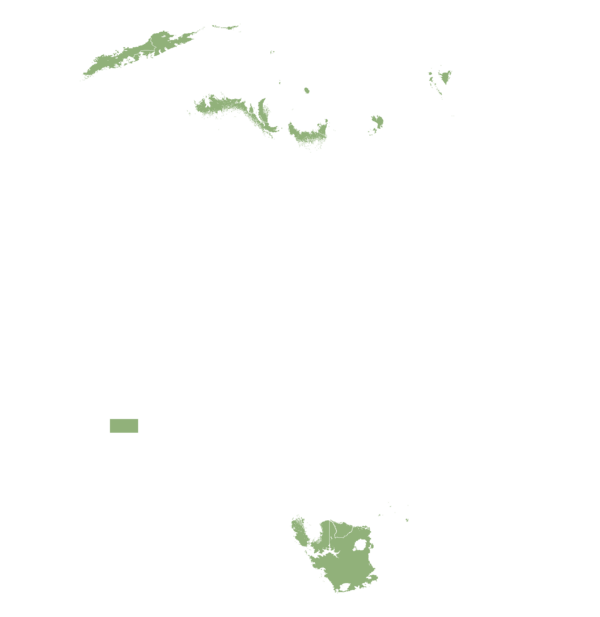
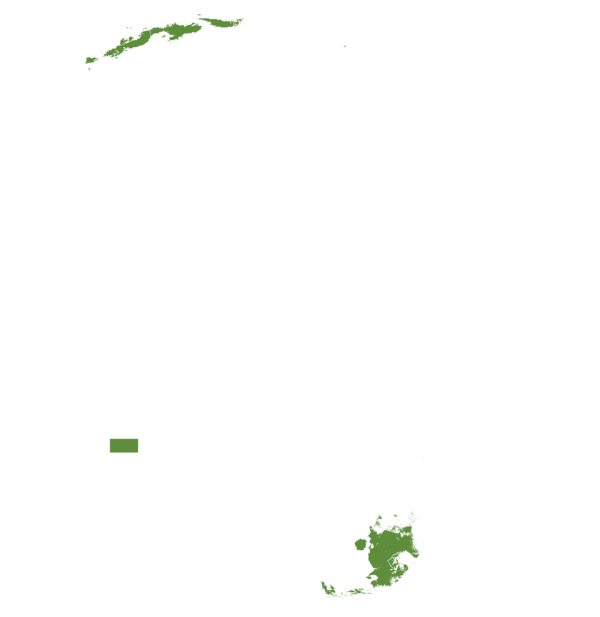
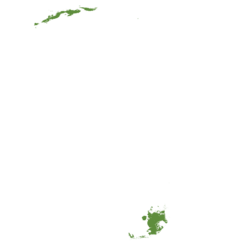
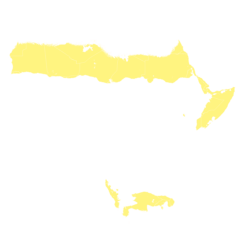
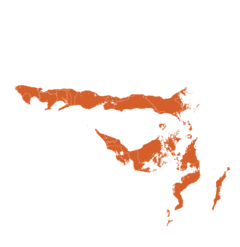
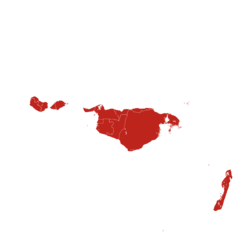
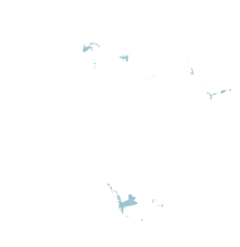
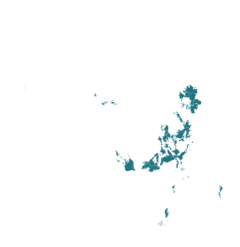
This technology can be used in the colored agro-ecological zones. Any zones shown in white are not suitable for this technology.







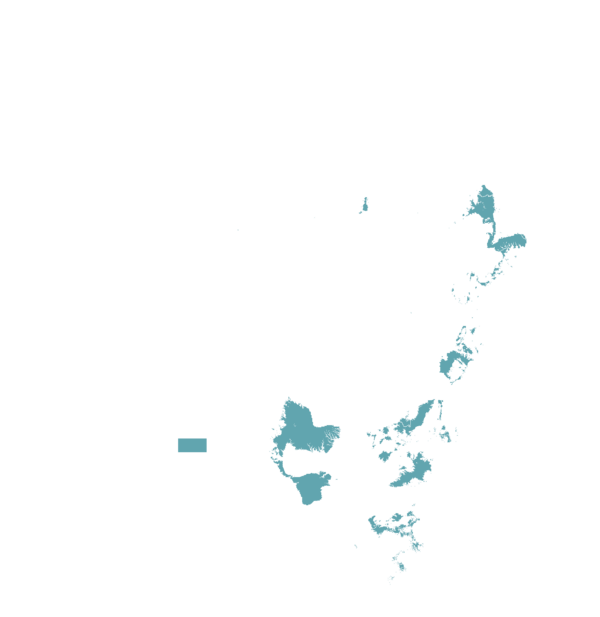


| AEZ | Subtropic - warm | Subtropic - cool | Tropic - warm | Tropic - cool |
|---|---|---|---|---|
| Arid | ||||
| Semiarid | ||||
| Subhumid | ||||
| Humid |
Source: HarvestChoice/IFPRI 2009
The United Nations Sustainable Development Goals that are applicable to this technology.
Last updated on Sep 23, 2026
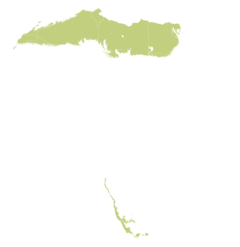
This technology can be used in the colored agro-ecological zones.











Pneumatic Cassava Dryers
https://taat.africa/com/technologies/pneumatic-cassava-dryers
Last updated on 23 September 2026, printed on Oct 8, 2026
Enquiries e-catalogs@taat.africa