TAAT e-catalog
for
private sector
https://taat.africa/com/technologies/pre-cooked-beans-for-consumer-convenience
Advanced approach for quick, convenient, and delicious bean
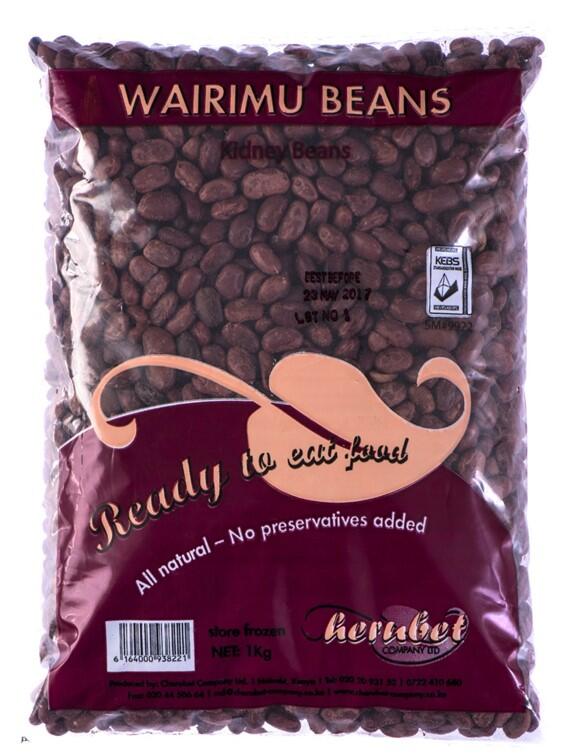
Pre-cooked whole beans are available in dried, canned, and frozen forms, and can be prepared in a short amount of time, ranging from 10 to 30 minutes. This saves a significant amount of cooking time, eliminating the need for soaking and reducing fuel usage. The process of making pre-cooked beans involves sorting, washing, and sizing, followed by passing air and water over the food product. The beans are then blanched at 95°C for 3 minutes, soaked at 45°C for 120 minutes, sterilized and cooked at 97°C for another 120 minutes, and finally dried at room temperature for approximately 24 hours. After this process, the beans are packaged and frozen. Canned beans undergo a similar procedure of soaking, blanching, and cooking, followed by the addition of brine, cooling, canning, and labeling. Both pre-cooked frozen and canned beans can be marketed for both local consumption and export markets.
This technology is TAAT1 validated.
Per mall electric cooker system for making pre-cooked beans with a capacity of 100 liter
Per large hot water boiler powered with petrol or natural gas with a capacity of 0.5 ton per hour
Unknown
For processors
Making this technology enhances consumer appeal, increases market opportunities, improves profitability, environmental sustainability, and gender empowerment.
In order to make this venture successful, you need to identify reliable suppliers for manufacturing machines and obtaining the necessary raw materials such as the commodity and the package material.
Your potential customers are : wholesale distributors of pre-cooked beans to supermarkets, and to development projects, government agencies, and NGOs.
Building strong partnerships with wholesale distributor networks and suppliers of machinery and raw materials is key to the success of your business.
As for the cost structure, a small electric cooker system for making pre-cooked beans with a capacity of 100 liters is sold at US $1,500, whereas a large hot water boiler powered with petrol or natural gas with a capacity of 0.5 ton per hour costs US $20,000.
For Resellers
Selling this technology not only provides versatility and convenience, making it a valuable addition to any kitchen but also fosters closer engagement with users while simultaneously enhancing health and wellbeing on a global scale.
To successfully navigate this market, you need to know where to source precooked beans in bulk, identify efficient transportation methods, and explore suitable storage facilities.
Your potential customer base is: small, local retailers, development projects, producers, and producer cooperatives or associations.
For Users
Using this technology offers convenience, time, energy and water savings, and nutritional benefits, making meal preparation easier and more efficient.
As key partners you need small, local retailers and supermarket
You need to estimate the profit realized with the use of this practice.
Adults 18 and over: Positive high
The poor: Positive medium
Under 18: Positive medium
Women: Positive high
Climate adaptability: Moderately adaptable
Farmer climate change readiness: Moderate improvement
Carbon footprint: Much less carbon released
Environmental health: Greatly improves environmental health
Soil quality: Does not affect soil health and fertility
Water use: A bit less water used
Scaling Readiness describes how complete a technology's development is and its ability to be scaled. It produces a score that measures a technology's readiness along two axes: the level of maturity of the idea itself, and the level to which the technology has been used so far.
Each axis goes from 0 to 9 where 9 is the “ready-to-scale” status. For each technology profile in the e-catalogs we have documented the scaling readiness status from evidence given by the technology providers. The e-catalogs only showcase technologies for which the scaling readiness score is at least 8 for maturity of the idea and 7 for the level of use.
The graph below represents visually the scaling readiness status for this technology, you can see the label of each level by hovering your mouse cursor on the number.
Read more about scaling readiness ›
Semi-controlled environment: prototype
Common use by projects NOT connected to technology provider
| Maturity of the idea | Level of use | |||||||||
| 9 | ||||||||||
| 8 | ||||||||||
| 7 | ||||||||||
| 6 | ||||||||||
| 5 | ||||||||||
| 4 | ||||||||||
| 3 | ||||||||||
| 2 | ||||||||||
| 1 | ||||||||||
| 1 | 2 | 3 | 4 | 5 | 6 | 7 | 8 | 9 | ||
| Project | Countries | Beneficiaries | Budget (USD) & duration | Key figures |
|---|---|---|---|---|
|
ENSURE Enabling Environments for Sustainable Regional Agriculture Extension |
|
|
13.14 million 2024–2027 |
|
Figures in italic are from project plans and may change during implementation.
| Country | Testing ongoing | Tested | Adopted |
|---|---|---|---|
| Benin | –No ongoing testing | Tested | Adopted |
| Burundi | –No ongoing testing | Tested | Adopted |
| Cameroon | –No ongoing testing | Tested | Adopted |
| Central African Republic | –No ongoing testing | Tested | Adopted |
| Côte d’Ivoire | –No ongoing testing | Tested | Adopted |
| Democratic Republic of the Congo | –No ongoing testing | Tested | Adopted |
| Gabon | –No ongoing testing | Tested | Adopted |
| Ghana | –No ongoing testing | Tested | Adopted |
| Kenya | –No ongoing testing | Tested | Adopted |
| Malawi | –No ongoing testing | Tested | Adopted |
| Mozambique | –No ongoing testing | Tested | Adopted |
| Nigeria | –No ongoing testing | Tested | Adopted |
| Rwanda | –No ongoing testing | Tested | Adopted |
| Senegal | –No ongoing testing | Tested | Adopted |
| Sierra Leone | –No ongoing testing | Tested | Adopted |
| South Sudan | –No ongoing testing | Tested | Adopted |
| Tanzania | –No ongoing testing | Tested | Adopted |
| Uganda | –No ongoing testing | Tested | Adopted |
| Zambia | –No ongoing testing | Tested | Adopted |
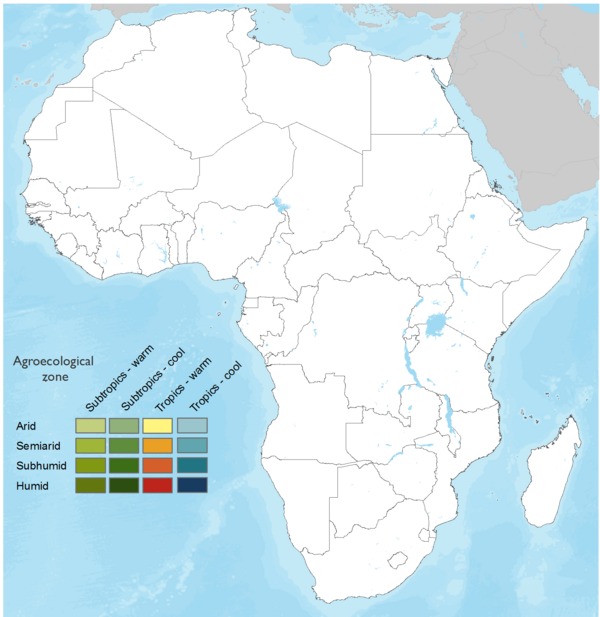
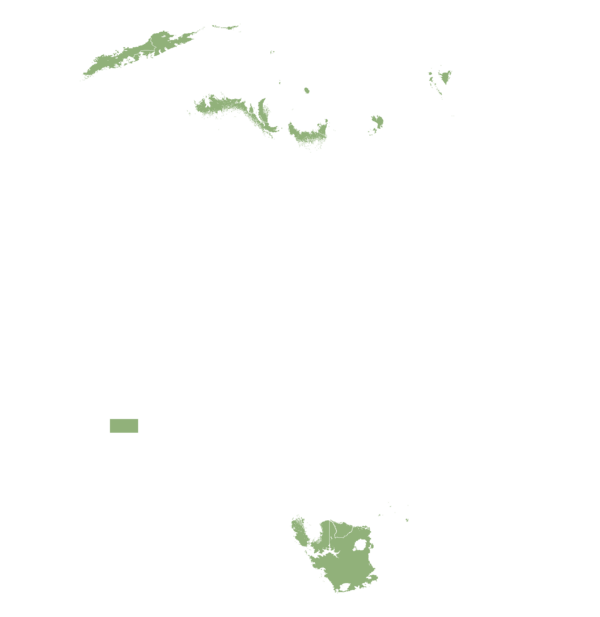
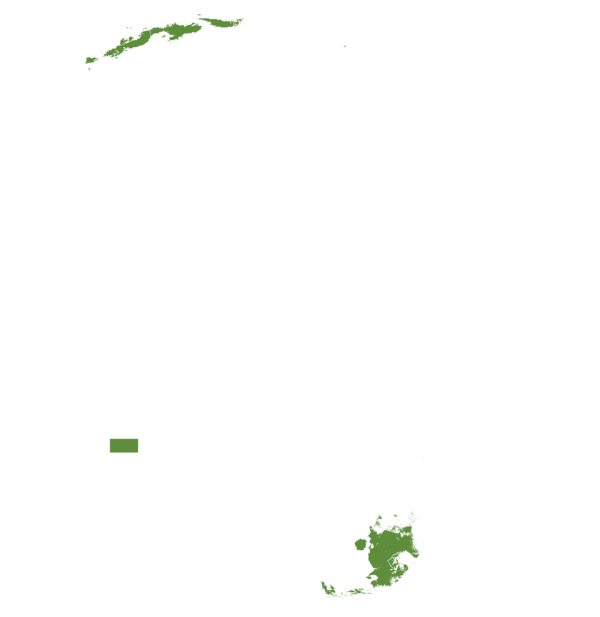
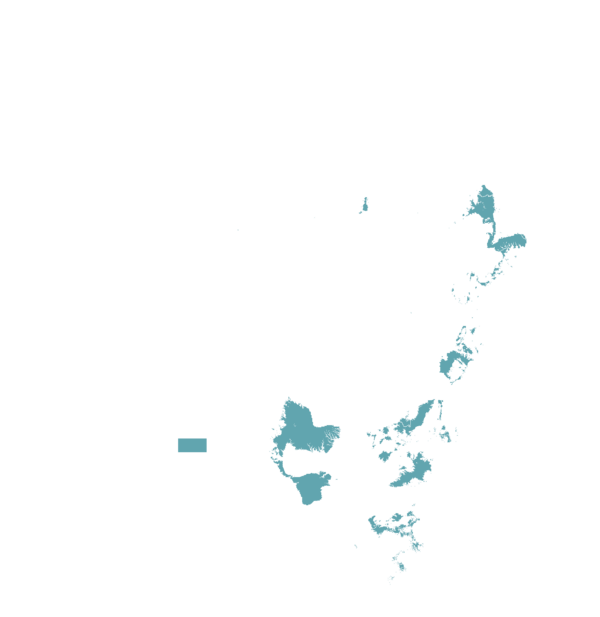
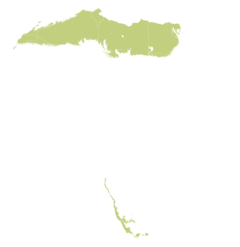
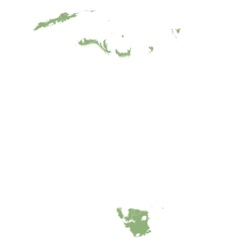
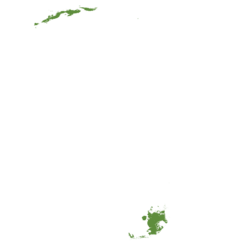
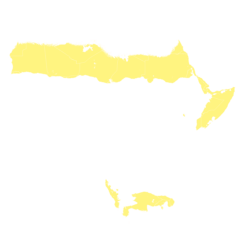
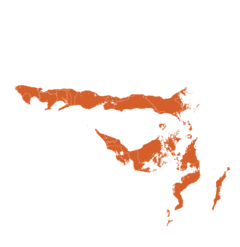
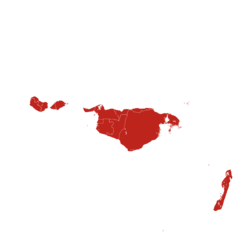
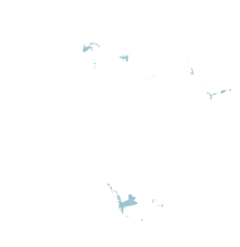
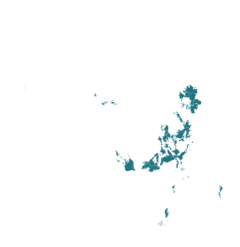
This technology can be used in the colored agro-ecological zones. Any zones shown in white are not suitable for this technology.









| AEZ | Subtropic - warm | Subtropic - cool | Tropic - warm | Tropic - cool |
|---|---|---|---|---|
| Arid | ||||
| Semiarid | ||||
| Subhumid | ||||
| Humid |
Source: HarvestChoice/IFPRI 2009
The United Nations Sustainable Development Goals that are applicable to this technology.
Sorting, Washing, and Sizing: The process begins with sorting, washing, and sizing the beans. Air and water are used to pass over the food product to remove impurities.
Blanching: The sorted and cleaned beans are subjected to blanching at 95°C for 3 minutes. This step helps in preserving the quality of the beans.
Soaking: After blanching, the beans are soaked at 45°C for 120 minutes. This process hydrates the beans and prepares them for further cooking.
Sterilization and Cooking: The hydrated beans are then subjected to sterilization and cooking at 97°C for 120 minutes. This ensures that the beans are fully cooked and ready for consumption.
Drying: Following the cooking process, the beans are dried at room temperature for approximately 24 hours. This step helps in removing excess moisture and preparing the beans for packaging.
Packaging and Freezing (for frozen products) or Canning (for canned products): The processed beans are then packaged and either frozen or canned, depending on the preservation method chosen.
Last updated on Oct 1, 2026
This technology can be used in the colored agro-ecological zones.









Pre-Cooked Beans for Consumer Convenience
https://taat.africa/com/technologies/pre-cooked-beans-for-consumer-convenience
Last updated on 1 October 2026, printed on Oct 8, 2026
Enquiries e-catalogs@taat.africa