TAAT e-catalog
for
private sector
https://taat.africa/com/technologies/raised-beds-for-sweet-potato-production-and-weed-management
Raise tuber yields with raised beds
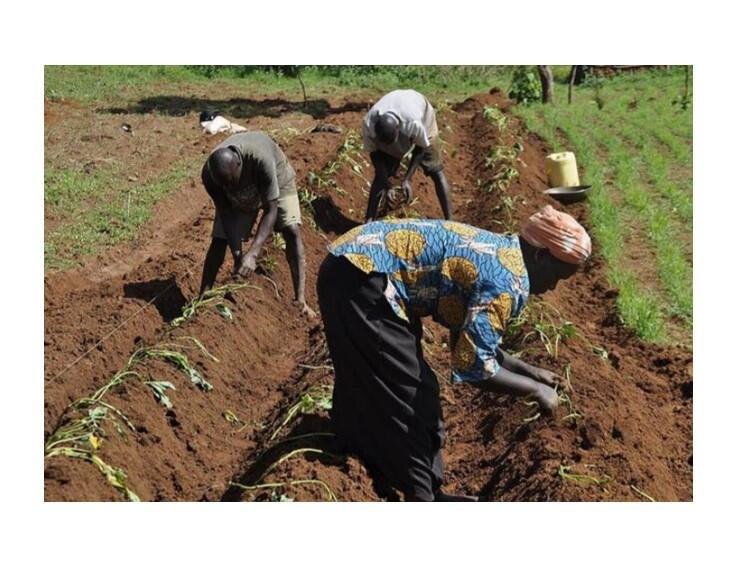
The raised bed technology provides sweet potatoes with an elevated platform for growth. Instead of planting them directly in the ground, raised beds are created by piling loose soil. This creates a designated area for the plants. This specialized bed prevents the soil from becoming too compact or saturated, which can harm the plants. Additionally, it hinders the growth of weeds, ensuring that the sweet potatoes receive the necessary nutrients. This method is particularly beneficial in areas where the soil quality may be suboptimal. It facilitates better growth for the sweet potatoes and simplifies maintenance for farmers. In straightforward terms, this technology offers sweet potatoes an elevated space to grow, ultimately leading to healthier and more robust crops.
This technology is TAAT1 validated.
Open source / open access
This technology is beneficial for users:
Utilizing raised beds for sweet potato production offers a sustainable farming approach, promoting increased crop yield, environmental resilience, and economic viability. To effectively implement this technology:
For enhanced optimization, consider associating with technologies such as Orange-fleshed sweet potato (Bio-fortified, Drought and virus tolerant), Specialty blended fertilizers (high potassium).
Foster collaborations with agricultural development organizations, fertilizer suppliers, and agricultural service providers to access resources, technical support, and distribution networks for successful implementation and adoption of the technology.
Adults 18 and over: Positive high
The poor: Positive medium
Under 18: Positive medium
Women: Positive high
Climate adaptability: Moderately adaptable
Farmer climate change readiness: Significant improvement
Biodiversity: No impact on biodiversity
Carbon footprint: A bit less carbon released
Environmental health: Moderately improves environmental health
Soil quality: Improves soil health and fertility
Water use: A bit less water used
Scaling Readiness describes how complete a technology's development is and its ability to be scaled. It produces a score that measures a technology's readiness along two axes: the level of maturity of the idea itself, and the level to which the technology has been used so far.
Each axis goes from 0 to 9 where 9 is the “ready-to-scale” status. For each technology profile in the e-catalogs we have documented the scaling readiness status from evidence given by the technology providers. The e-catalogs only showcase technologies for which the scaling readiness score is at least 8 for maturity of the idea and 7 for the level of use.
The graph below represents visually the scaling readiness status for this technology, you can see the label of each level by hovering your mouse cursor on the number.
Read more about scaling readiness ›
Semi-controlled environment: prototype
Common use by projects NOT connected to technology provider
| Maturity of the idea | Level of use | |||||||||
| 9 | ||||||||||
| 8 | ||||||||||
| 7 | ||||||||||
| 6 | ||||||||||
| 5 | ||||||||||
| 4 | ||||||||||
| 3 | ||||||||||
| 2 | ||||||||||
| 1 | ||||||||||
| 1 | 2 | 3 | 4 | 5 | 6 | 7 | 8 | 9 | ||
| Country | Testing ongoing | Tested | Adopted |
|---|---|---|---|
| Algeria | –No ongoing testing | Tested | Adopted |
| Angola | –No ongoing testing | Tested | Adopted |
| Benin | –No ongoing testing | Tested | Adopted |
| Botswana | –No ongoing testing | Tested | Adopted |
| Burkina Faso | –No ongoing testing | Tested | Adopted |
| Burundi | –No ongoing testing | Tested | –Not adopted |
| Cameroon | –No ongoing testing | Tested | –Not adopted |
| Cape Verde | –No ongoing testing | Tested | –Not adopted |
| Central African Republic | –No ongoing testing | Tested | –Not adopted |
| Chad | –No ongoing testing | Tested | –Not adopted |
| Comoros | –No ongoing testing | Tested | –Not adopted |
| Côte d’Ivoire | –No ongoing testing | Tested | Adopted |
| Democratic Republic of the Congo | –No ongoing testing | Tested | –Not adopted |
| Djibouti | –No ongoing testing | Tested | –Not adopted |
| Egypt | –No ongoing testing | Tested | –Not adopted |
| Eritrea | –No ongoing testing | Tested | –Not adopted |
| Eswatini | –No ongoing testing | Tested | Adopted |
| Ethiopia | –No ongoing testing | Tested | –Not adopted |
| Gabon | –No ongoing testing | Tested | –Not adopted |
| Gambia | –No ongoing testing | Tested | –Not adopted |
| Ghana | –No ongoing testing | Tested | –Not adopted |
| Guinea | –No ongoing testing | Tested | –Not adopted |
| Guinea-Bissau | –No ongoing testing | Tested | –Not adopted |
| Kenya | –No ongoing testing | Tested | –Not adopted |
| Libya | –No ongoing testing | Tested | Adopted |
| Madagascar | –No ongoing testing | Tested | Adopted |
| Malawi | –No ongoing testing | Tested | –Not adopted |
| Mauritania | –No ongoing testing | Tested | Adopted |
| Mauritius | –No ongoing testing | Tested | –Not adopted |
| Morocco | –No ongoing testing | Tested | –Not adopted |
| Republic of the Congo | –No ongoing testing | Tested | –Not adopted |
| Rwanda | –No ongoing testing | Tested | –Not adopted |
| Senegal | –No ongoing testing | Tested | –Not adopted |
| Sierra Leone | –No ongoing testing | Tested | –Not adopted |
| Somalia | –No ongoing testing | Tested | –Not adopted |
| South Africa | –No ongoing testing | Tested | –Not adopted |
| South Sudan | –No ongoing testing | Tested | –Not adopted |
| Togo | –No ongoing testing | Tested | –Not adopted |
| Tunisia | –No ongoing testing | Tested | Adopted |
| Uganda | –No ongoing testing | Tested | –Not adopted |
| Western Sahara | –No ongoing testing | Tested | –Not adopted |
| Zambia | –No ongoing testing | Tested | –Not adopted |
| Zimbabwe | –No ongoing testing | Tested | –Not adopted |
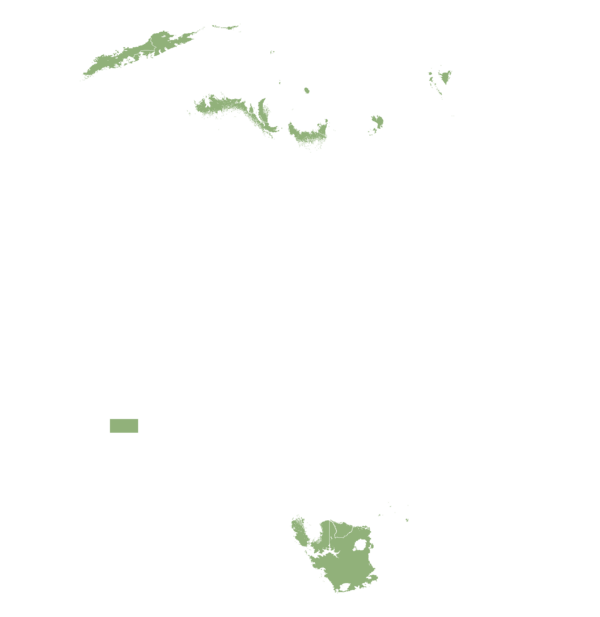
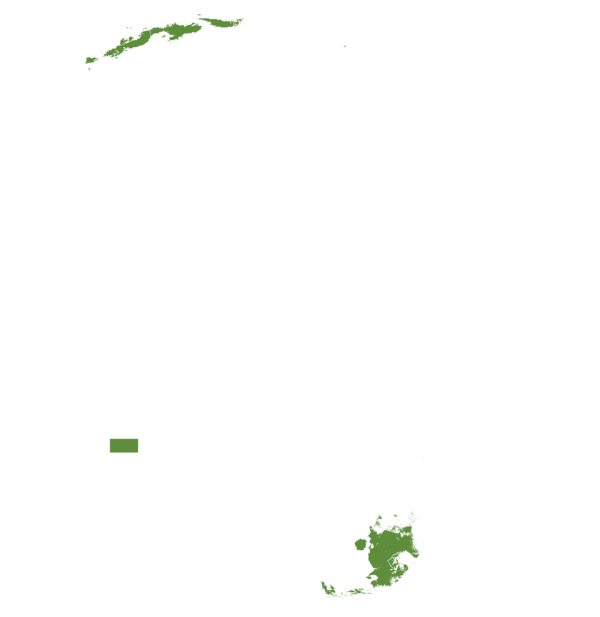
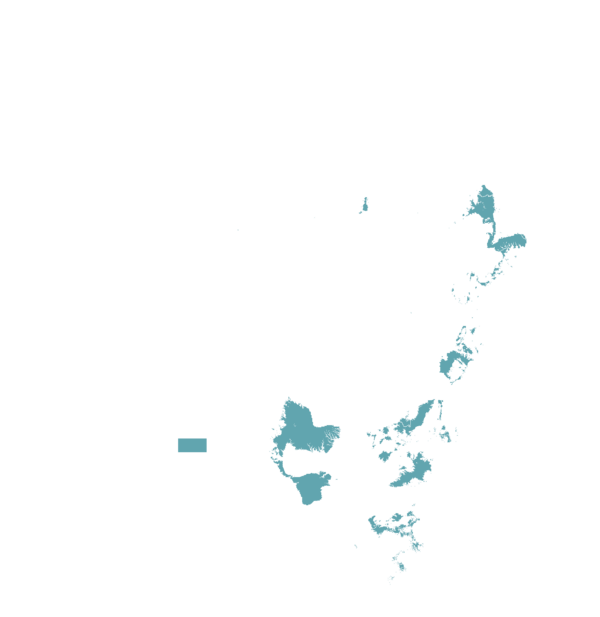
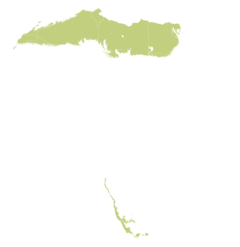
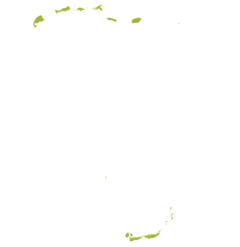
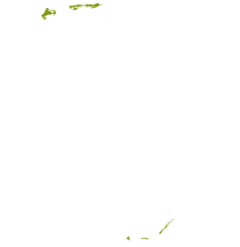
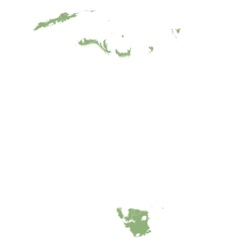
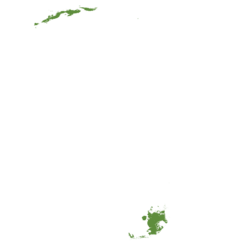
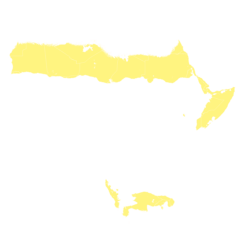
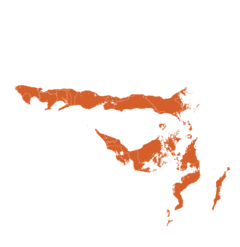
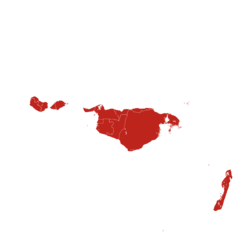
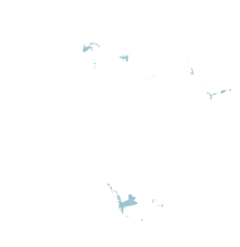
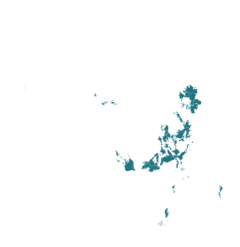
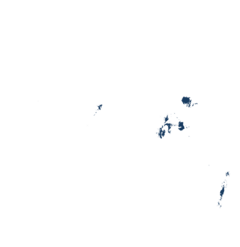
This technology can be used in the colored agro-ecological zones. Any zones shown in white are not suitable for this technology.
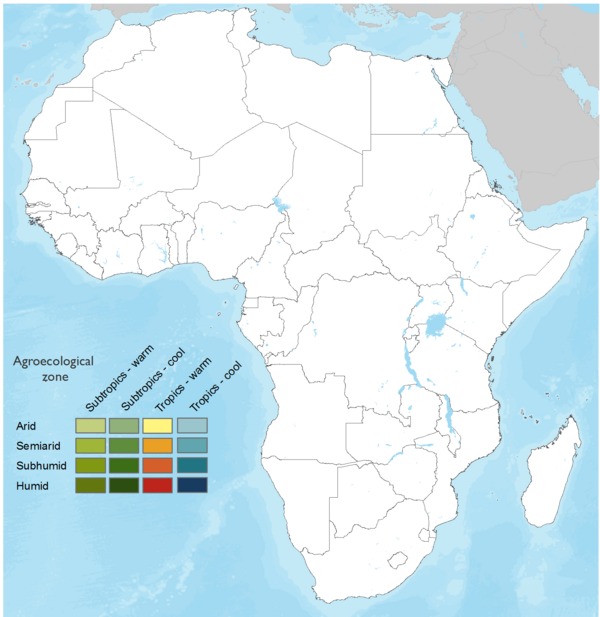









| AEZ | Subtropic - warm | Subtropic - cool | Tropic - warm | Tropic - cool |
|---|---|---|---|---|
| Arid | ||||
| Semiarid | ||||
| Subhumid | ||||
| Humid |
Source: HarvestChoice/IFPRI 2009
The United Nations Sustainable Development Goals that are applicable to this technology.
Preparation of the Field:
Layout of Raised Beds:
Building the Raised Beds:
Planting Sweet Potatoes:
Maintenance and Care:
Mulching (Optional):
Harvesting:
Last updated on Oct 1, 2026
This technology can be used in the colored agro-ecological zones.







Raised beds for sweet potato production and weed management
https://taat.africa/com/technologies/raised-beds-for-sweet-potato-production-and-weed-management
Last updated on 1 October 2026, printed on Oct 8, 2026
Enquiries e-catalogs@taat.africa