TAAT e-catalog
for
government
https://taat.africa/gov/technologies/hessian-fly-resistant-wheat-varieties
Reduce wheat losses due to Hessian fly and increase yield
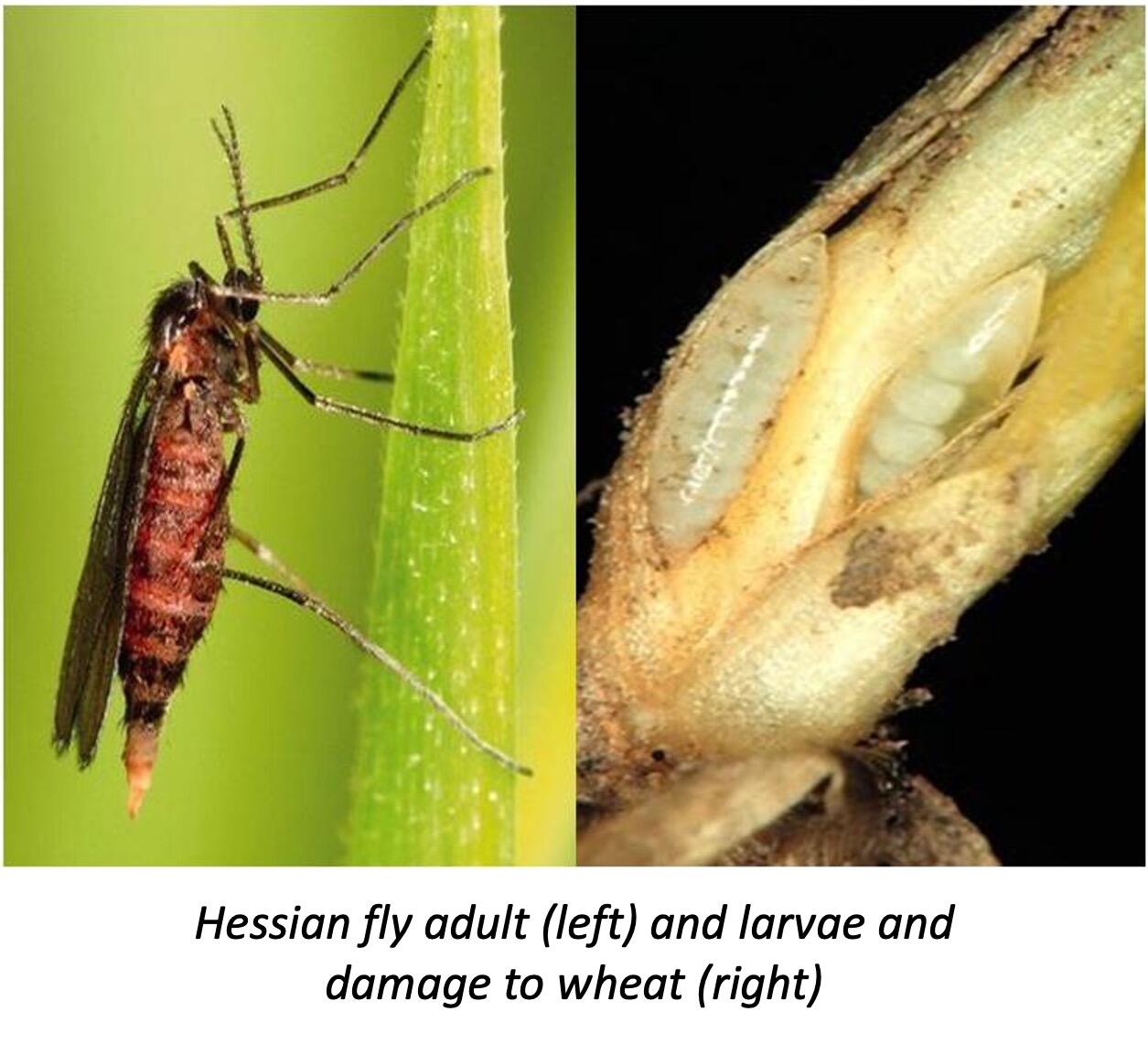
"The improved Hessian Fly Resistant Wheat Varieties are specially bred wheat plants that have a natural ability to defend themselves against the Hessian fly, a destructive insect. These varieties have been carefully developed to withstand attacks from the fly's larvae, which can cause significant damage to regular wheat crops. This defense mechanism acts like a shield, safeguarding the wheat from harm. These plants have been created through selective breeding methods, resulting in strong and resilient crops. This technology provides a vital tool for farmers, offering a practical and effective solution to protect their wheat fields and secure their harvests."
This technology is TAAT1 validated.
Adults 18 and over: Positive medium
The poor: Positive medium
Under 18: Positive low
Women: Positive low
Climate adaptability: Highly adaptable
Farmer climate change readiness: Significant improvement
Biodiversity: No impact on biodiversity
Carbon footprint: Same amount of carbon released
Environmental health: Greatly improves environmental health
Soil quality: Does not affect soil health and fertility
Water use: A bit less water used
This technology promotes gender inclusion by enhancing nutrition, offering essential nutrients, and improving food security in Africa. Additionally, it aligns with Sustainable Development Goals by addressing hunger and poverty, particularly benefiting women and children.
To integrate this technology into your project, create a list of project activities and prerequisites:
- Estimate the quantity/cost of seed needed for your project knowing that the price tag of certified seed for wheat that withstands the insect pest ranges between 35 and 43 USD per hectare when purchased from international markets. Preventing severe Hessian fly outbreaks requires coordinated efforts among local and regional farmers to cultivate 50% to 80% of cropland with resistant wheat varieties.
- As the technology is available in Burkina Faso, Ethiopia, Kenya, Mali, Mozambique, Senegal, Sudan, Tanzania, Zambia, Zimbabwe, include the delivery cost to the project site and account for import clearance and duties if relevant.
A team of trainers could provide training and support during project installation. Include the cost for monitoring pest outbreaks, training and post-training support for using the technology.
Communication support for the technology should be developed (flyers, videos, radio broadcasts, etc.)
For better optimization of this technology, it is recommended to Integrated Management of Insects, Diseases and Weeds in Wheat.
To implement the technology in your country, you could collaborate with agricultural development institutes and seed multiplication companies.
Protection of plants from pests
yield potential
Additional production of forages per ha
Copyright
Scaling Readiness describes how complete a technology's development is and its ability to be scaled. It produces a score that measures a technology's readiness along two axes: the level of maturity of the idea itself, and the level to which the technology has been used so far.
Each axis goes from 0 to 9 where 9 is the “ready-to-scale” status. For each technology profile in the e-catalogs we have documented the scaling readiness status from evidence given by the technology providers. The e-catalogs only showcase technologies for which the scaling readiness score is at least 8 for maturity of the idea and 7 for the level of use.
The graph below represents visually the scaling readiness status for this technology, you can see the label of each level by hovering your mouse cursor on the number.
Read more about scaling readiness ›
Uncontrolled environment: tested
Used by some intended users, in the real world
| Maturity of the idea | Level of use | |||||||||
| 9 | ||||||||||
| 8 | ||||||||||
| 7 | ||||||||||
| 6 | ||||||||||
| 5 | ||||||||||
| 4 | ||||||||||
| 3 | ||||||||||
| 2 | ||||||||||
| 1 | ||||||||||
| 1 | 2 | 3 | 4 | 5 | 6 | 7 | 8 | 9 | ||
| Project | Countries | Beneficiaries | Budget (USD) & duration | Key figures |
|---|---|---|---|---|
|
PUPSAN Emergency Production and Food & Nutrition Security Project |
|
|
7.04 million 2023–2026 |
|
|
TAISP Agricultural Inputs Support Project |
|
|
84.07 million 2022–2028 |
|
Figures in italic are from project plans and may change during implementation.
| Country | Testing ongoing | Tested | Adopted |
|---|---|---|---|
| Burkina Faso | –No ongoing testing | –Not tested | Adopted |
| Ethiopia | –No ongoing testing | –Not tested | Adopted |
| Kenya | –No ongoing testing | –Not tested | Adopted |
| Mali | –No ongoing testing | –Not tested | Adopted |
| Mozambique | –No ongoing testing | –Not tested | Adopted |
| Senegal | –No ongoing testing | –Not tested | Adopted |
| Sudan | –No ongoing testing | –Not tested | Adopted |
| Tanzania | –No ongoing testing | –Not tested | Adopted |
| Zambia | –No ongoing testing | –Not tested | Adopted |
| Zimbabwe | –No ongoing testing | –Not tested | Adopted |
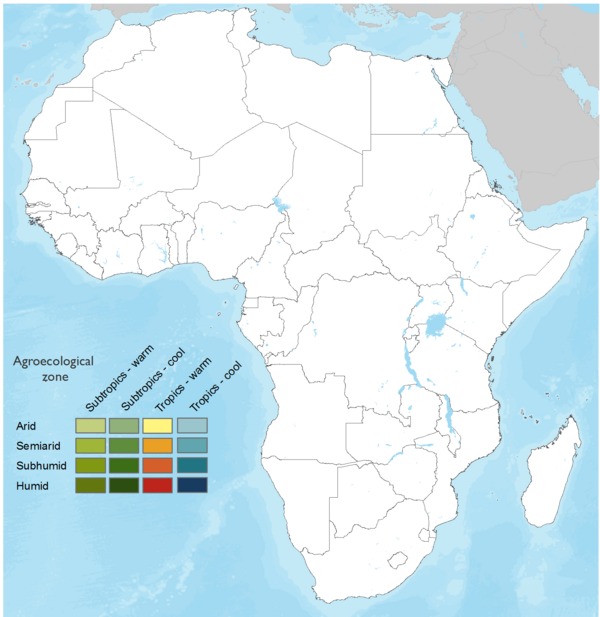
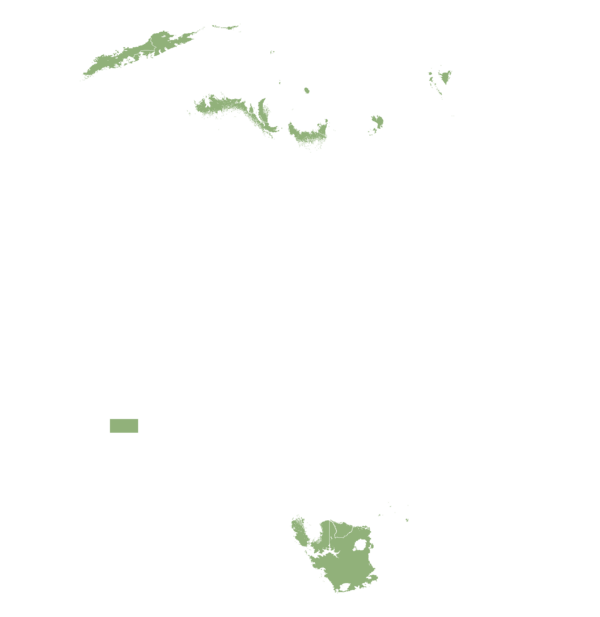
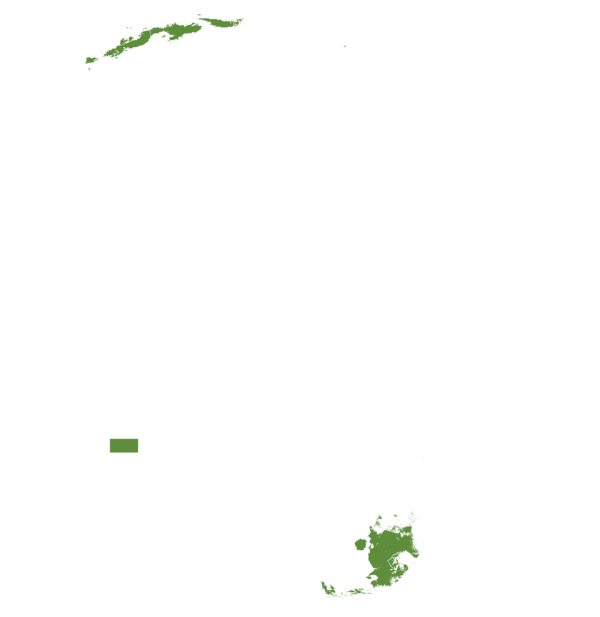
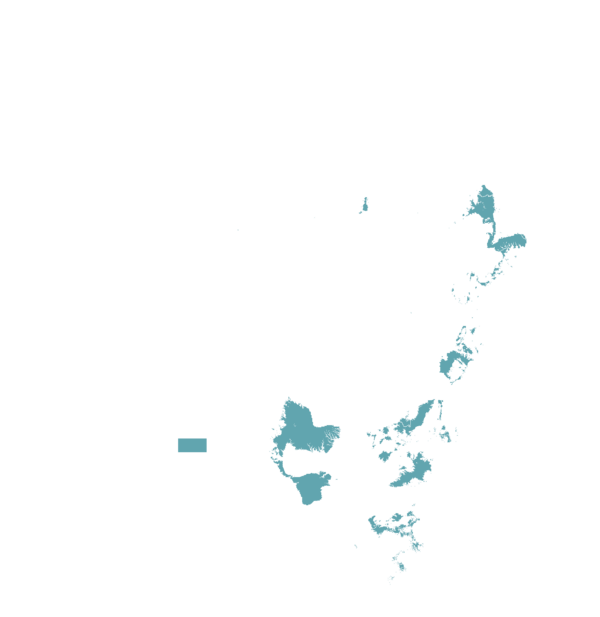
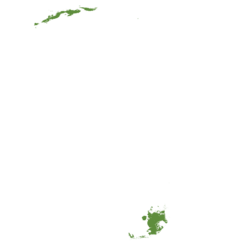
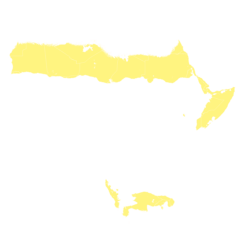
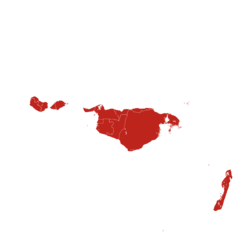
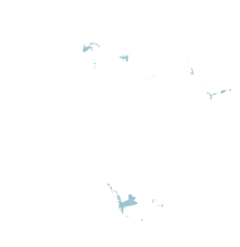
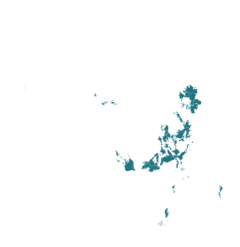
This technology can be used in the colored agro-ecological zones. Any zones shown in white are not suitable for this technology.









| AEZ | Subtropic - warm | Subtropic - cool | Tropic - warm | Tropic - cool |
|---|---|---|---|---|
| Arid | ||||
| Semiarid | ||||
| Subhumid | ||||
| Humid |
Source: HarvestChoice/IFPRI 2009
The United Nations Sustainable Development Goals that are applicable to this technology.
Obtain Certified Seed: Acquire certified Hessian Fly Resistant Wheat seed from reputable sources.
Planting Process: Follow standard local recommendations for planting, including seeding depth and spacing.
Complementary Practices:
Monitor Crop Regularly: Keep a close eye on the crop throughout its growth stages to assess its resistance to Hessian fly infestations.
Last updated on Oct 1, 2026
This technology can be used in the colored agro-ecological zones.












Hessian Fly Resistant Wheat Varieties
https://taat.africa/gov/technologies/hessian-fly-resistant-wheat-varieties
Last updated on 1 October 2026, printed on Oct 9, 2026
Enquiries e-catalogs@taat.africa