
TAAT e-catalog
for
government
https://taat.africa/gov/technologies/ipm-fall-armyworm-integrated-pest-management
Prevent–Monitor–Act
The control of Fall Armyworm (FAW) is a three-part strategy: Prevent, Monitor, and Act.
Prevention involves using high-quality seed, improving plant health through proper nutrition and spacing, avoiding late planting, increasing plant diversity, and practicing conservation agriculture. These methods increase natural enemies.
Monitoring requires farmers to visit fields every 3–4 days to check for general plant health, signs of damage, and the presence of natural enemies.
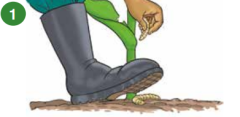
Action includes physically removing and crushing eggs and caterpillars, destroying infested plant residues, "recycling" larvae killed by pathogens into a biopesticide, and attracting natural predators, such as ants. Farmers can also apply local substances, such as ash or neem extracts, to the plant whorls. Chemical control is a last resort, used with extreme caution (max 2-3 sprays per season), prioritizing nationally registered, lower risk products, and applying them with proper protective equipment, aiming for the plant whorl.
This technology is not yet validated.
| Target Groups | Key Positive Impacts |
| Farmers and Rural Households |
|
| Extension and Plant Health Workforce |
|
| Youth and Agripreneurs |
|
| Producer Organizations and Cooperatives |
|
| Vulnerable and Under-Served Populations |
|
| Students and Extension Trainees |
|
Climate adaptability: Moderately adaptable
While not designed as a climate solution, IPM improves crop resilience by promoting healthier plant growth and reducing crop losses during pest outbreaks, which tend to worsen under changing climate patterns. Practices like early planting, intercropping, and minimal chemical use can support adaptation by stabilizing yields under pressure
Farmer climate change readiness: Moderate improvement
IPM encourages proactive pest monitoring and response, which builds a mindset of anticipation and planning—key skills in climate adaptation. However, it does not equip farmers with full climate forecasting tools or adaptive planning beyond pest risk.
Biodiversity: Positive impact on biodiversity
When implemented well (emphasizing biocontrols, botanicals, and reduced chemical use), IPM helps conserve beneficial insects and pollinators. However, inconsistent application or fallback to blanket spraying can still pose risks to non-target species and soil fauna.
Carbon footprint: A bit less carbon released
Most IPM components (e.g., manual scouting, handpicking, biopesticide use) are low in energy requirements compared to conventional spraying, which involves fuel-intensive equipment and frequent trips. Minimal use of synthetic chemicals also reduces indirect emissions from production.
Environmental health: Greatly improves environmental health
IPM reduces environmental contamination by replacing or minimizing synthetic pesticide use. Reduced chemical runoff and residue improves air, water, and food safety, especially when biopesticides and natural methods are prioritized.
Soil quality: Does not affect soil health and fertility
While IPM does not directly enhance soil fertility, it avoids harmful pesticide residues that can degrade soil microflora. Some intercrops (like Desmodium in push-pull) may also improve soil cover and reduce erosion risks.
Water use: Same amount of water used
IPM does not alter irrigation practices or crop water needs. Water use stays the same unless IPM is bundled with broader agronomic interventions (e.g., drought-resistant varieties or moisture-conserving practices).
Massive Crop Yield Loss and Food Insecurity: The FAW larva is a voracious pest that feeds on leaves and reproductive parts, causing significant damage like shredded leaves, defoliation, and "dead heart" in young plants. This results in massive maize yield loss, which can range significantly and cause an average of 45% economic loss by feeding. This destruction directly threatens the food and nutritional security and livelihoods of small-scale farmers.
Rapid Pest Spread and Difficult Detection: FAW is extremely hard to control because it is polyphagous (feeds on many crops) and trans-boundary, multiplying fast and migrating easily over long distances. Its eggs are laid in hundreds, and the larvae often hide inside the leaf whorl during the day, making early detection and timely intervention very difficult for farmers.
High Cost and Risks of Chemical Reliance: When infestations occur, farmers often resort to high-dosage synthetic pesticides, which are expensive and carry significant risks to human health and the environment. Furthermore, the pest has developed resistance to many insecticides due to widespread misuse and overuse, making the chemicals less effective over time.
Weak Plant Resilience and Lack of Natural Control: Crops grown with low-input or in degraded agricultural landscapes often have reduced resilience to the FAW invasion. This problem is compounded by the lack of sufficient natural enemies in newly invaded areas like Africa, which would normally provide biological control. The FAW's behavior and the low biodiversity in monoculture systems exacerbate the problem of poor natural pest management.
Enhance Crop Resilience and Protect Yields: The IPM system utilizes high-quality seed and practices like proper nutrition and conservation agriculture (no-tillage, residue retention) to create robust, vigorous plants that can withstand pest damage and recover quickly. This is immediately reinforced by physical removal of eggs/caterpillars and avoiding late planting to protect the harvest and ensure food security.
Replace Chemicals with Low-Cost Biological Controls: The strategy drastically reduces chemical reliance by implementing cost-effective, lower-risk alternatives. This includes using "Push-Pull" technology and intercropping to naturally repel the pest, and applying free biopesticides created by "recycling" the pathogens found in dead larvae.
Establish and Protect Natural Biological Control: The IPM actively manages the ecosystem by increasing plant diversity (e.g., intercropping) and promoting conservation agriculture to attract and multiply natural enemies (ants, wasps, etc.). Farmers are explicitly encouraged to reduce or eliminate harmful pesticides to preserve these beneficial "farmer friends," establishing a self-sustaining defense mechanism.
Mitigate Risks and Ensure Sustainable Practices: The approach minimizes the risks associated with FAW management. It avoids widespread chemical misuse by strictly limiting chemical use to 2-3 targeted sprays and requiring the rotation of products, which prevents pesticide resistance. Furthermore, it promotes frequent monitoring to ensure timely and effective use of all control measures.
Integrated Pest Management (IPM) is a knowledge- and ecosystem-based approach that combines multiple strategies to sustainably reduce pest pressure. The following key points guide governments and national programs in integrating IPM into agricultural initiatives, particularly for crops vulnerable to Fall Armyworm (FAW), such as maize and sorghum.
Target FAW Host Crops First: Prioritize IPM in maize, sorghum, and other crops heavily impacted by FAW and similar pests.
Phase Expansion: Use these priority crops as entry points, then scale to include other staples and horticultural crops.
Rationale: FAW alone causes estimated losses of up to USD 10 billion annually in Africa, particularly affecting maize yields.
Holistic Approach: Ensure all national programs promote the core IPM principle of combining:
Cultural practices (e.g., crop rotation, intercropping, early planting)
Mechanical and physical methods (e.g., hand-picking, traps)
Biological control (e.g., natural enemies, biopesticides)
Judicious chemical use (as a last resort)
Local Adaptation: Customize IPM packages by agroecological zone and pest profile.
Sustainable Pest Suppression: Reduce dependency on chemical pesticides and mitigate pest resistance.
Policy Endorsement:
Formally recognize IPM as the national standard for pest and disease management.
Include IPM in national agricultural development, food security, and crop protection plans.
Institutional Coordination:
Integrate IPM with ongoing initiatives such as climate-smart agriculture or pesticide regulation reforms.
Mandate alignment across ministries, national research systems, and extension services.
Training Cascade:
Train master trainers who will lead national cascades for extension agents, lead farmers, and private advisors.
Include modules on pest identification, field scouting, safe pesticide use, and biological control.
Use Farmer Field Schools (FFS):
Promote hands-on, season-long training for farmers through FFS and demo plots.
Localized Training Materials:
Produce simple, pictorial materials in local languages to ensure reach to low-literacy audiences.
Surveillance Infrastructure:
Deploy pheromone traps, scouting protocols, and reporting forms at the community level.
Digital Tools:
Use online platforms to support pest identification and central data aggregation.
Real-Time Alerts:
Translate surveillance data into localized advisories via SMS, radio, and extension services.
Institutionalize Workflow:
Make pest scouting a routine extension activity, not an emergency response.
Secure Long-Term Funding:
Include IPM inputs (e.g., traps, biopesticides) and refresher trainings as regular budget lines.
Curriculum Integration:
Embed IPM into vocational training, agricultural colleges, and school programs to prepare future practitioners.
Build Public Trust:
Launch awareness campaigns showing the effectiveness of IPM in reducing crop losses and pesticide exposure.
Feedback and Learning:
Establish a monitoring and evaluation (M&E) system to improve IPM protocols over time.
Open source / open access
Scaling Readiness describes how complete a technology’s development is and its ability to be scaled. It produces a score that measures a technology’s readiness along two axes: the level of maturity of the idea itself, and the level to which the technology has been used so far.
Each axis goes from 0 to 9 where 9 is the “ready-to-scale” status. For each technology profile in the e-catalogs we have documented the scaling readiness status from evidence given by the technology providers. The e-catalogs only showcase technologies for which the scaling readiness score is at least 8 for maturity of the idea and 7 for the level of use.
The graph below represents visually the scaling readiness status for this technology, you can see the label of each level by hovering your mouse cursor on the number.
Read more about scaling readiness ›
Semi-controlled environment: prototype
Common use by projects connected to technology providers
| Maturity of the idea | Level of use | |||||||||
| 9 | ||||||||||
| 8 | ||||||||||
| 7 | ||||||||||
| 6 | ||||||||||
| 5 | ||||||||||
| 4 | ||||||||||
| 3 | ||||||||||
| 2 | ||||||||||
| 1 | ||||||||||
| 1 | 2 | 3 | 4 | 5 | 6 | 7 | 8 | 9 | ||
| Target Groups | Key Positive Impacts |
| Farmers and Rural Households |
|
| Extension and Plant Health Workforce |
|
| Youth and Agripreneurs |
|
| Producer Organizations and Cooperatives |
|
| Vulnerable and Under-Served Populations |
|
| Students and Extension Trainees |
|
| Target Groups | Potential Unintended Impacts | Mitigation Actions |
|---|---|---|
| Farmers and Rural Households | Misapplication or underuse of IPM components (e.g., late action, wrong biocontrol use) reduces effectiveness. Discontinued use if quick results are not visible. | Provide clear, crop-stage-specific guidance. Use demo plots to show visible results over time. Reinforce pest threshold-based action during group sessions. |
| Extension and Plant Health Workforce | Difficulty in managing diverse IPM methods at scale or limited confidence in promoting biological options. | Simplify decision tools and reinforce field protocols. Provide hands-on training and seasonal refreshers focused on common scenarios. |
| Youth and Agripreneurs | Low and inconsistent demand for IPM services may lead to dropouts. Overpromotion of products not adapted to local conditions. | Support bundled business models (e.g., scouting + input sales). Encourage partnership with cooperatives or NGOs to stabilize demand. Promote use of local, tested options. |
| Producer Organizations and Cooperatives | Poor coordination may result in asynchronous implementation and limited pest suppression at landscape level. | Promote group-level planning tied to pest alerts or seasonal calendars. Encourage joint procurement and synchronized application. |
| Market and Service Ecosystem | Overstocking or expired IPM products (e.g., lures, biopesticides) due to low turnover. Mistrust from farmers if inputs fail due to poor storage or handling. | Provide inventory forecasting tools. Offer basic storage guidance and product use timelines to retailers. Engage suppliers in capacity-building efforts. |
| Vulnerable and Under-Served Populations | Exclusion from access to bio-inputs or information due to remoteness, language, or mobility. Struggle to apply labor-intensive practices (e.g., handpicking). | Use community-based scouts or group spraying support. Ensure translated materials and inclusive group facilitation. Promote low-labor options like tolerant varieties or trap cropping. |
| Students and Extension Trainees | Overemphasis on theory may weaken confidence to apply IPM in the field. | Ensure practical exposure through demo plots and FFS. Assign real-world scouting tasks and supervised follow-up with farmers. |
| Target Groups | Key Barriers to Adoption | Mitigation Actions |
|---|---|---|
| Farmers and Rural Households | Limited awareness of IPM as an effective alternative to chemical sprays. Perception that IPM is labor-intensive or slow to act. Inconsistent access to key inputs (e.g., biopesticides, tolerant seed). | Use field demos and success stories to build trust. Simplify messaging around “first steps” IPM (e.g., early planting, handpicking). Strengthen last-mile delivery of inputs through cooperatives or agro-dealers. |
| Extension and Plant Health Workforce | Incomplete training or lack of confidence in promoting non-chemical options. Lack of simple, adaptable extension tools. | Integrate IPM into refresher trainings and manuals. Provide clear, field-ready job aids and protocols. Incentivize performance based on pest suppression, not spray volume. |
| Youth and Agripreneurs | Limited start-up capital for IPM-based services (e.g., for scouting kits or biocontrol supply). Market unfamiliarity with IPM value propositions. | Link youth to microfinance or innovation challenge grants. Facilitate bundled services (advice + input resale). Create success models showing income potential from IPM. |
| Producer Organizations and Cooperatives | Limited technical coordination for synchronized IPM action. Variable buy-in from members. | Use seasonal planning calendars and FAW risk maps. Engage lead farmers to champion IPM internally. Provide group-level cost-benefit examples. |
| Market and Service Ecosystem | Low profit margins on IPM-compatible inputs compared to fast-moving chemicals—limited shelf life or handling knowledge for biopesticides. | Offer retailer training and bundled kits to improve turnover. Promote demand forecasting tied to pest trends. Recognize and incentivize "IPM-friendly" dealers. |
| Vulnerable and Under-served Populations | Physical, financial, or language barriers to training or access. High dependency on reactive chemical donations during outbreaks. | Translate and simplify tools; use visual and audio channels. Empower local IPM champions for peer support. Ensure affordable options are included in response plans. |
| Students and Extension Trainees | Minimal hands-on exposure to IPM practice. Focus on theory or generic pest control models. | Integrate IPM modules into core curricula. Assign field scouting tasks with supervision. Promote peer-led demos and competitions to reinforce practice. |
| Country | Testing ongoing | Tested | Adopted |
|---|---|---|---|
| Kenya | –No ongoing testing | Tested | Adopted |
| South Africa | –No ongoing testing | Tested | Adopted |
| Zambia | –No ongoing testing | Tested | Adopted |
| Zimbabwe | –No ongoing testing | Tested | Adopted |
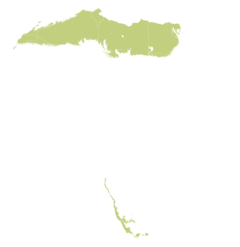
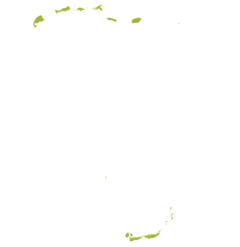
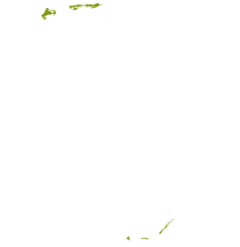
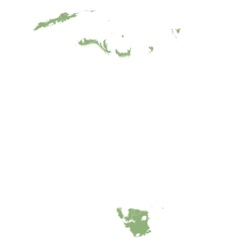
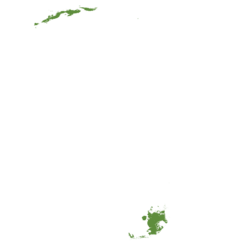
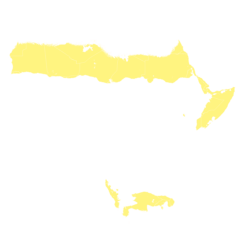
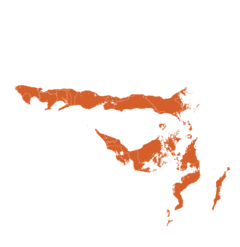
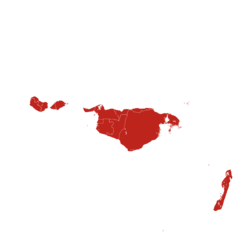
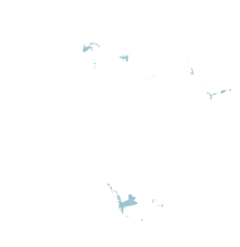
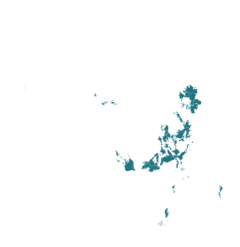
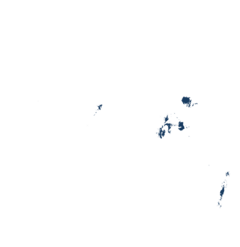
This technology can be used in the colored agro-ecological zones. Any zones shown in white are not suitable for this technology.
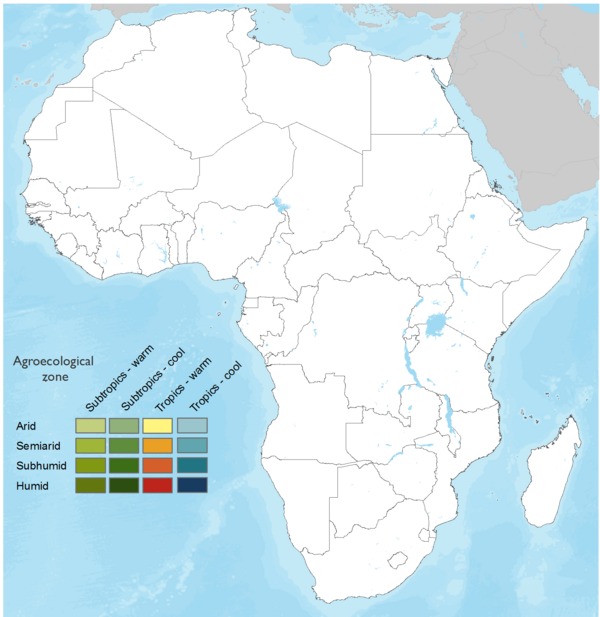



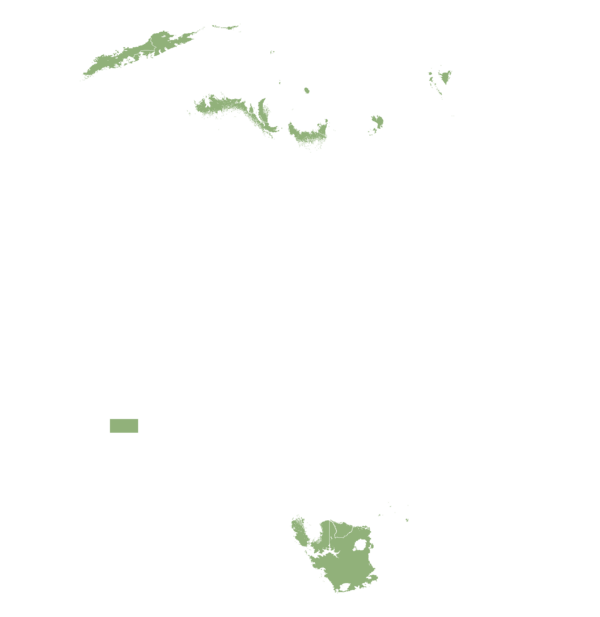
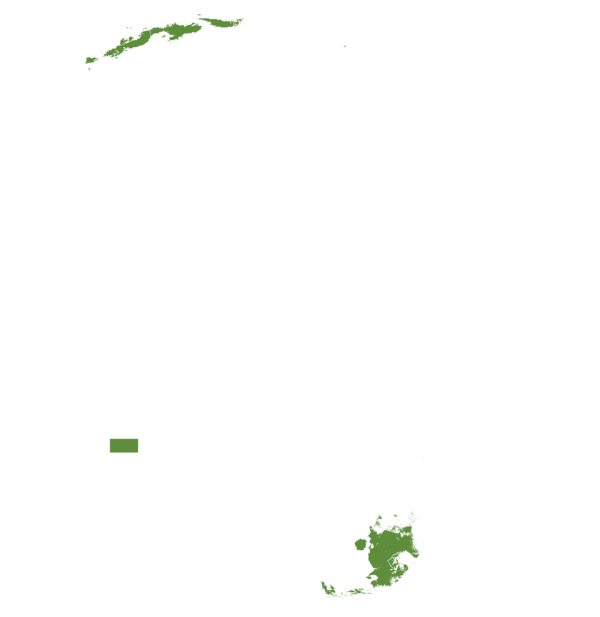
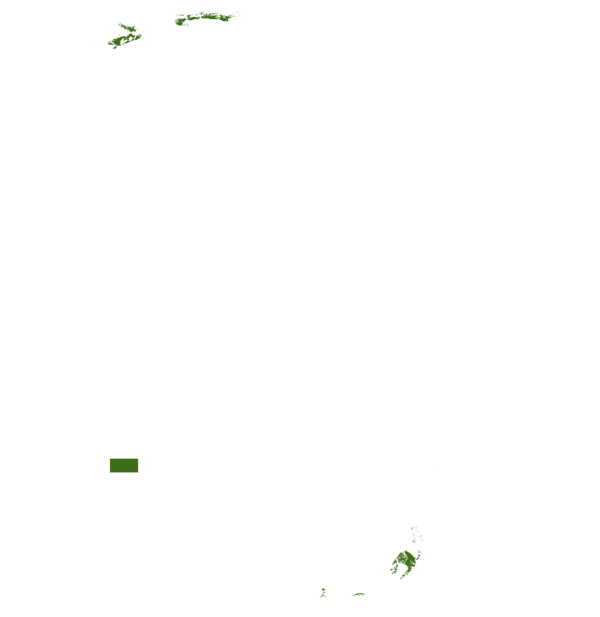



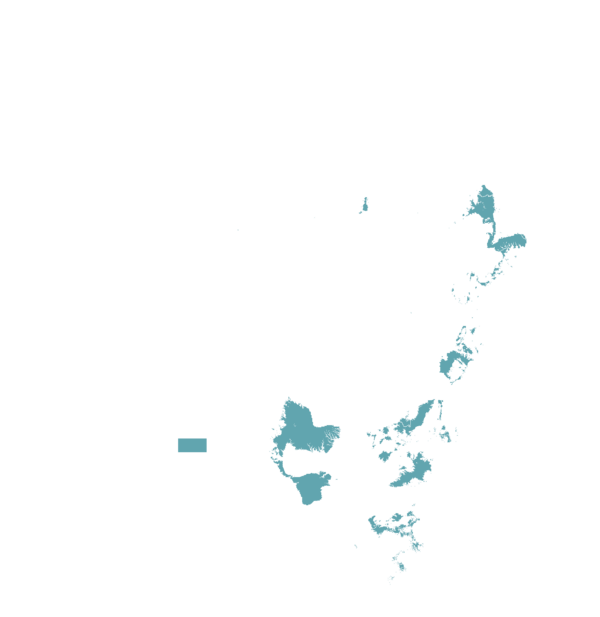


| AEZ | Subtropic - warm | Subtropic - cool | Tropic - warm | Tropic - cool |
|---|---|---|---|---|
| Arid | ||||
| Semiarid | ||||
| Subhumid | ||||
| Humid |
Source: HarvestChoice/IFPRI 2009
The United Nations Sustainable Development Goals that are applicable to this technology.
By preventing pest-driven yield losses and promoting resilient cropping practices, IPM directly contributes to food security and nutrition.
Promotes the safe and targeted use of inputs, reducing chemical overuse and aligning with sustainable input management.

IPM reduces crop losses and input costs, helping protect farmer incomes, especially for low-income rural households vulnerable to FAW outbreaks.

Reducing reliance on hazardous pesticides lowers health risks for farmers, families, and rural communities.
IPM techniques (e.g., handpicking, intercropping) are accessible to women and support their role in decision-making and farm management.

IPM supports the growth of rural advisory services, biopesticide supply chains, and youth agripreneurship in pest scouting and input distribution.

By increasing pest resilience and reducing emissions associated with synthetic pesticide use, IPM supports smallholder adaptation to climate stress.
Encourages biodiversity-friendly pest control, preserving pollinators and natural enemies essential to agroecosystem health.
This stage focuses on making the crop stronger and less attractive to the pest.
Seed and Health: Use high-quality certified seed and improve plant health with appropriate plant spacing, soil management, and crop nutrition, as practices that boost plant vigour help crops better withstand pest attacks.
Avoid Late Planting: Avoid late planting or staggered planting in plots of different ages, as this can attract all female moths in a region.
Increase Diversity: Increase plant diversity using systems like "Push-Pull" or intercropping with non-grass species (cassava, cowpea, bean). Plant diversity also increases the population of natural enemies.
Conservation Agriculture: Practice conservation agriculture, which combines no-tillage, residue retention, rotation, and cover crops (Mucuna, Lablab).
This is the ongoing observation stage for timely detection and action.
Frequent Visits: Visit fields frequently, starting one week after planting, and walking through fields every 3-4 days.
Observe Plant Health: Observe the general health of the plants, checking for good color, moisture stress, and signs of damage (from FAW, other insects, or diseases).
Check for Natural Controls: Check for the presence of natural enemies such as ants or wasps, or larvae that appear to have been killed by a pathogen (fungus or virus).
These are the immediate actions taken when the pest is present.
Physical/Mechanical Control:
Pick off and crush fall armyworm eggs and caterpillars as soon as possible.
Remove and destroy volunteer plants, weeds, and infested crop residues, as they provide shelter and food for the pest.
Biological Control (Recycling):
"Recycle" pathogens when dead larvae killed by a virus, fungus, or bacterium are found.
The larvae are collected, ground, mixed with water, sieved, and the liquid is diluted and sprayed onto infested plants as a free biopesticide.
Natural Predators: Attract predators and parasitoids by maintaining good crop diversity and reducing or eliminating pesticides that kill these "farmer friends".
Local Substances: Apply local substances like soil, ash, sand, lime, salts, oils, or plant extracts (hot peppers, neem) directly to the whorls of infested plants.
Chemical Control (Last Resort):
Choose nationally registered, labelled pesticides and rotate between pesticide groups to prevent resistance, limiting use to a maximum of 2-3 sprays per season.
Use proper personal protective equipment (PPE) and spray in the early morning or late afternoon, aiming the nozzle at the plant whorl.
Last updated on 16 December 2025
This technology can be used in the colored agro-ecological zones.







IPM: Fall Armyworm Integrated Pest Management
https://taat.africa/gov/technologies/ipm-fall-armyworm-integrated-pest-management
Last updated on 16 December 2025, printed on 18 March 2026
Enquiries e-catalogs@taat.africa