
TAAT e-catalog
for
government
https://taat.africa/gov/technologies/weed-management-for-cassava-six-steps-to-cassava-weed-management-and-best-planting-practices-decision-support-tool
Low-cost weed management system
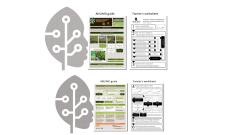
The “Six Steps to Cassava Weed Management and Best Planting Practices Decision Support Tool” is a comprehensive tool that provides a robust, step-by-step guide for cassava growers. It assists them in making informed decisions from site selection to weed control and implementing best planting practices on their farms. The tool also includes a herbicide calculator that aids farmers and Spray Service Providers in calibrating their sprayers to apply herbicides safely and effectively1.
This technology is TAAT1 validated.
The technology has been integrated in the ENSURE project: in 7 regions of the East African Community
Goal: 3,000,000 farmers (50% women)
149,940 lead farmers and promoters trained
Budget: USD 13.14 million
Implementation period: 2024–2027
Adults 18 and over: Positive high
The poor: Positive medium
Under 18: Positive low
Women: Positive high
Climate adaptability: Highly adaptable
Farmer climate change readiness: Significant improvement
Biodiversity: No impact on biodiversity
Carbon footprint: Same amount of carbon released
Environmental health: Does not improve environmental health
Soil quality: Improves soil health and fertility
Water use: Same amount of water used
In this section, you will soon find important information to assist you in incorporating this technology into your project. We will present how technology can impact gender, climate, and sustainable development goals. We will provide a list of activities to plan for your project, a toolkit for optimizing the technology, suggestions for key partners, and communication tools about the technology.
In the meantime, use the 'Request information' button if you need to contact us.
for herbicide
trained farmers yeild vs national average
Open source / open access
Scaling Readiness describes how complete a technology’s development is and its ability to be scaled. It produces a score that measures a technology’s readiness along two axes: the level of maturity of the idea itself, and the level to which the technology has been used so far.
Each axis goes from 0 to 9 where 9 is the “ready-to-scale” status. For each technology profile in the e-catalogs we have documented the scaling readiness status from evidence given by the technology providers. The e-catalogs only showcase technologies for which the scaling readiness score is at least 8 for maturity of the idea and 7 for the level of use.
The graph below represents visually the scaling readiness status for this technology, you can see the label of each level by hovering your mouse cursor on the number.
Read more about scaling readiness ›
Controlled environment: model or early prototype
By some projects connected to technology providers
| Maturity of the idea | Level of use | |||||||||
| 9 | ||||||||||
| 8 | ||||||||||
| 7 | ||||||||||
| 6 | ||||||||||
| 5 | ||||||||||
| 4 | ||||||||||
| 3 | ||||||||||
| 2 | ||||||||||
| 1 | ||||||||||
| 1 | 2 | 3 | 4 | 5 | 6 | 7 | 8 | 9 | ||
Enabling Environments for Sustainable Regional Agriculture Extension (ENSURE)
Project funder: African Development Bank & East Africa Community
Planned Budget: USD 13.14 million
Location: East African Community (Burundi, DRC, Kenya, Rwanda, South Sudan, Tanzania, Uganda)
Planned duration: 2024–2027
Deployment means: On-farm demonstrations, training, digital tools (SMS, IVR, video, radio, pictorial guides), bundled inputs + advisory services, Training of Trainers (ToT)
Project main implementer: East African Community (EAC)
Project Description: Strengthen agricultural extension systems using digital tools, private-sector approaches, regional coordination, and multi-commodity focus (maize, cassava, rice, drought-resilient crops).
Objective: Promote regional extension, enhance advisory services, scale climate-smart technologies, build sustainable private sector–led extension systems, strengthen policy and regulatory frameworks.
Expected outcome: Increased adoption of improved technologies, improved farmer productivity and profitability, enhanced access to quality inputs and pest management solutions, strengthened resilience to climate and pest risks, regional market integration, job creation for youth and agripreneurs.
Figures of adoption: Target 3 million farmers reached over 4 years, digital extension pilots in 7 EAC states, training of extension agents, lead farmers, cooperatives, and youth agripreneurs, rollout of Pest Information Management Systems (PIMS).
Profiles of adopters: Smallholder farmers, women, youth agripreneurs, cooperatives and producer organizations, public and private extension agents, National Plant Protection Officers (NPPOs).
Lessons learnt: System-level approaches needed beyond technology delivery, digital tools most effective with in-person facilitation, supportive policy/regulatory environment critical, regional harmonization boosts scalability and cross-border diffusion of technologies.
| Country | Testing ongoing | Tested | Adopted |
|---|---|---|---|
| Nigeria | –No ongoing testing | Tested | Adopted |
| Tanzania | –No ongoing testing | Tested | Adopted |
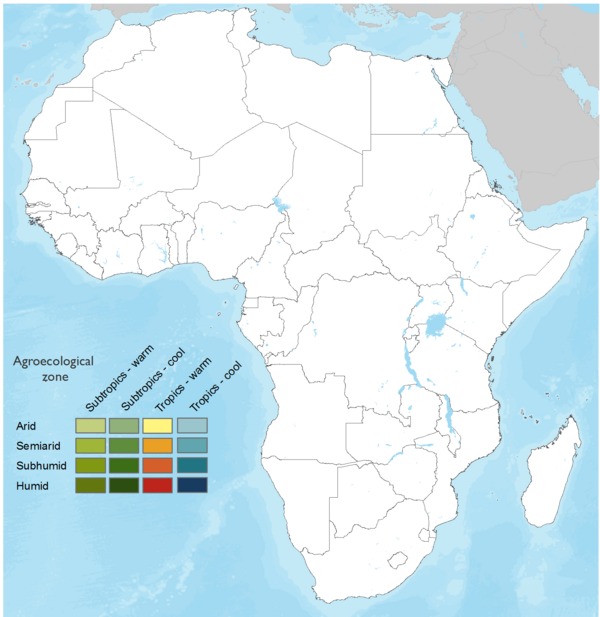
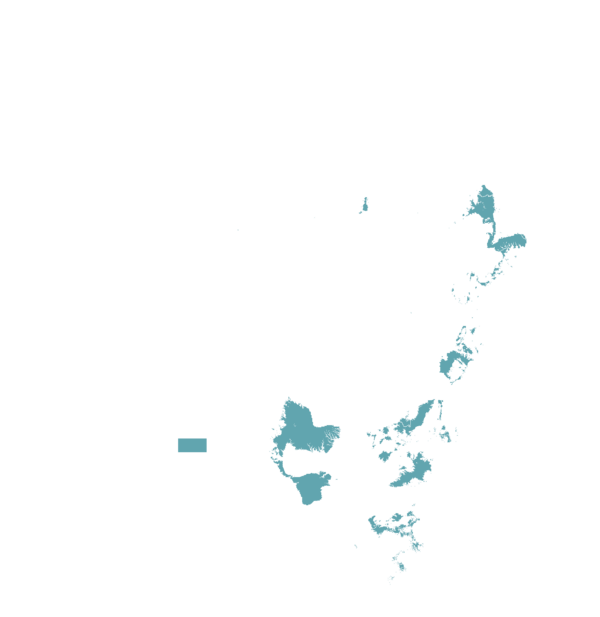
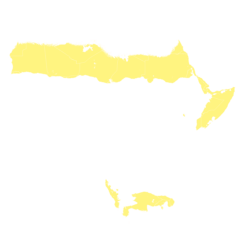
This technology can be used in the colored agro-ecological zones. Any zones shown in white are not suitable for this technology.











| AEZ | Subtropic - warm | Subtropic - cool | Tropic - warm | Tropic - cool |
|---|---|---|---|---|
| Arid | ||||
| Semiarid | ||||
| Subhumid | ||||
| Humid |
Source: HarvestChoice/IFPRI 2009
The United Nations Sustainable Development Goals that are applicable to this technology.



Last updated on 9 April 2026
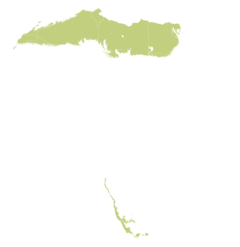
This technology can be used in the colored agro-ecological zones.
















Weed management for cassava: Six Steps to Cassava Weed Management and Best Planting Practices Decision Support Tool
https://taat.africa/gov/technologies/weed-management-for-cassava-six-steps-to-cassava-weed-management-and-best-planting-practices-decision-support-tool
Last updated on 9 April 2026, printed on 26 May 2026
Enquiries e-catalogs@taat.africa