TAAT e-catalog
for
Development partners
https://taat.africa/org/technologies/combine-harvesters-for-wheat-and-fleet-management-tool
Efficient Harvesting, Smarter Fleet Management
The combine harvester is a modern agricultural machinery designed to perform multiple harvesting operations as threshing, gathering, and winnowing, all in a single process. Available in various sizes, its suitable for crops like wheat, maize, rice, soybean, barley, sunflower, and more.

This technology is TAAT1 validated.
| Project | Countries | Beneficiaries | Budget (USD) & duration | Key figures |
|---|---|---|---|---|
|
CREW Climate Resilient Wheat Value Chain Development Project |
|
|
94.30 million 2023–2028 |
|
Figures in italic are from project plans and may change during implementation.
Adults 18 and over: Positive high
The poor: Positive high
Under 18: Positive high
Women: Positive high
Climate adaptability: Highly adaptable
Farmer climate change readiness: Significant improvement
Biodiversity: Positive impact on biodiversity
Environmental health: Greatly improves environmental health
Soil quality: Does not affect soil health and fertility
Water use: Same amount of water used
Carbon footprint: More carbon released
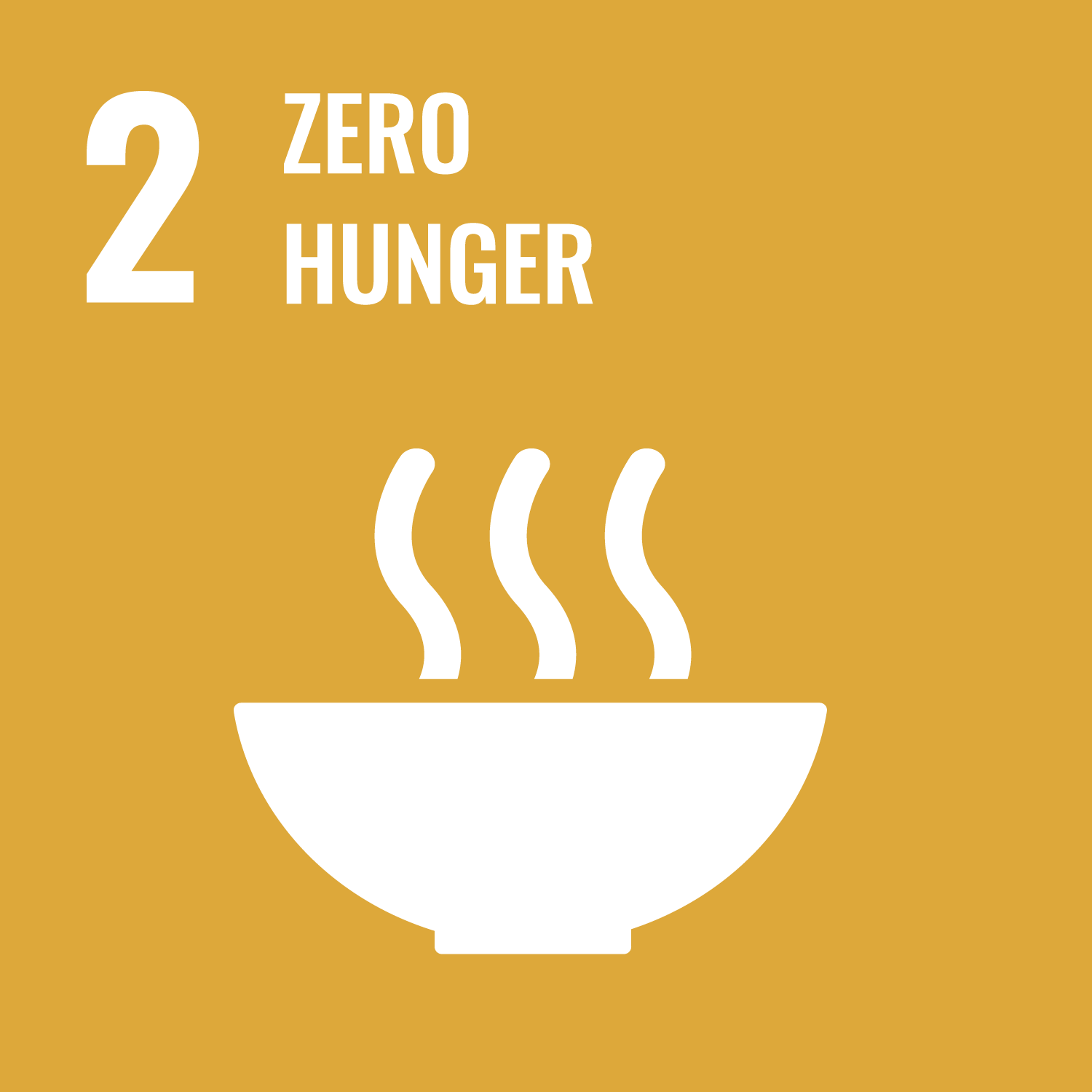
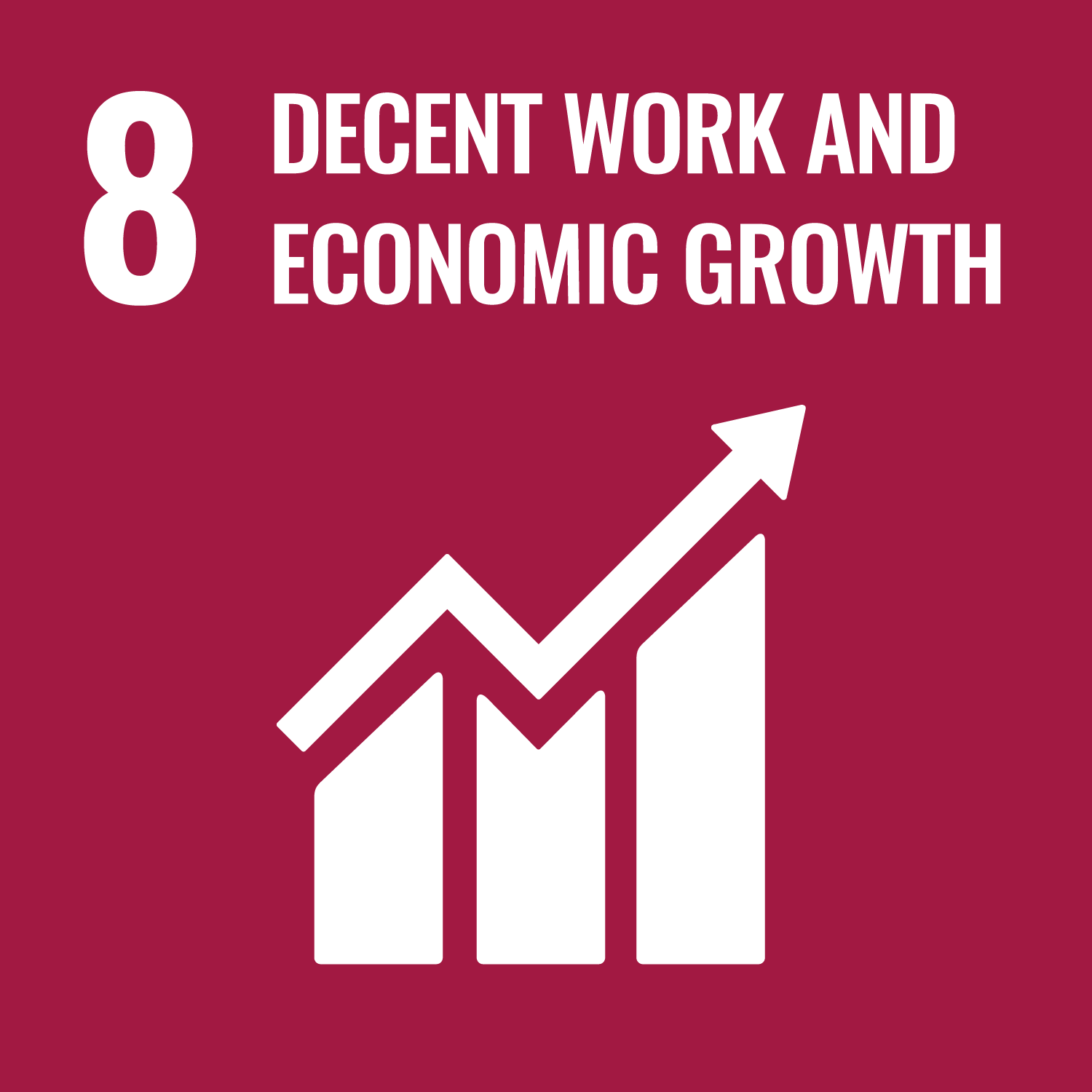
Combine Harvesters for Wheat and Fleet Management Tool improves wheat harvesting efficiency by combining mechanized harvesting with digital fleet management to optimize machine performance and service delivery. The technology can be integrated into agricultural mechanization, wheat value chain development, and food security programs to reduce post-harvest losses, improve operational efficiency, increase productivity, and strengthen access to mechanization services. Its adoption contributes to SDGs 2 (Zero Hunger) and 8 (Decent Work and Economic Growth).
To integrate this technology into your project, plan and budget for the following activities and prerequisites:
harvesting unit cost per Ha
Unknown
Scaling Readiness describes how complete a technology\’s development is and its ability to be scaled. It produces a score that measures a technology\’s readiness along two axes: the level of maturity of the idea itself, and the level to which the technology has been used so far.
Each axis goes from 0 to 9 where 9 is the “ready-to-scale” status. For each technology profile in the e-catalogs we have documented the scaling readiness status from evidence given by the technology providers. The e-catalogs only showcase technologies for which the scaling readiness score is at least 8 for maturity of the idea and 7 for the level of use.
The graph below represents visually the scaling readiness status for this technology, you can see the label of each level by hovering your mouse cursor on the number.
Read more about scaling readiness ›
Uncontrolled environment: tested
Used by some intended users, in the real world
| Maturity of the idea | Level of use | |||||||||
| 9 | ||||||||||
| 8 | ||||||||||
| 7 | ||||||||||
| 6 | ||||||||||
| 5 | ||||||||||
| 4 | ||||||||||
| 3 | ||||||||||
| 2 | ||||||||||
| 1 | ||||||||||
| 1 | 2 | 3 | 4 | 5 | 6 | 7 | 8 | 9 | ||
| Project | Countries | Beneficiaries | Budget (USD) & duration | Key figures |
|---|---|---|---|---|
|
CREW Climate Resilient Wheat Value Chain Development Project |
|
|
94.30 million 2023–2028 |
|
Figures in italic are from project plans and may change during implementation.
| Country | Testing ongoing | Tested | Adopted |
|---|---|---|---|
| Ethiopia | –No ongoing testing | Tested | Adopted |
| Kenya | –No ongoing testing | Tested | Adopted |
| Nigeria | –No ongoing testing | Tested | Adopted |
| Tanzania | –No ongoing testing | Tested | Adopted |
| Zambia | –No ongoing testing | Tested | Adopted |
| Zimbabwe | –No ongoing testing | Tested | Adopted |
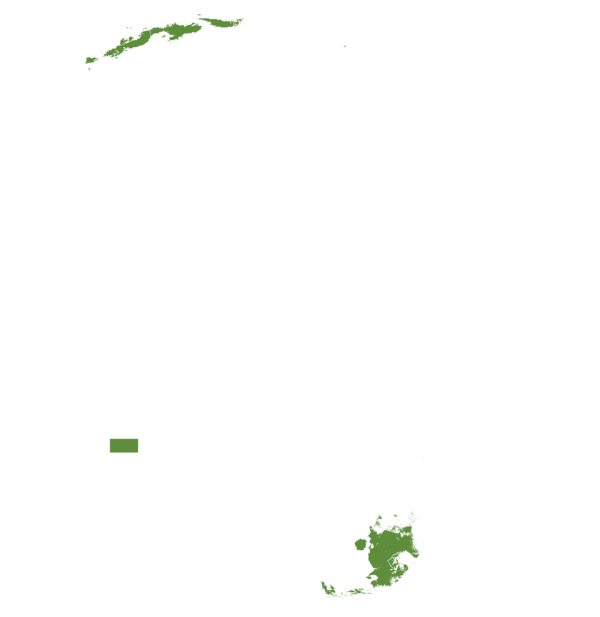
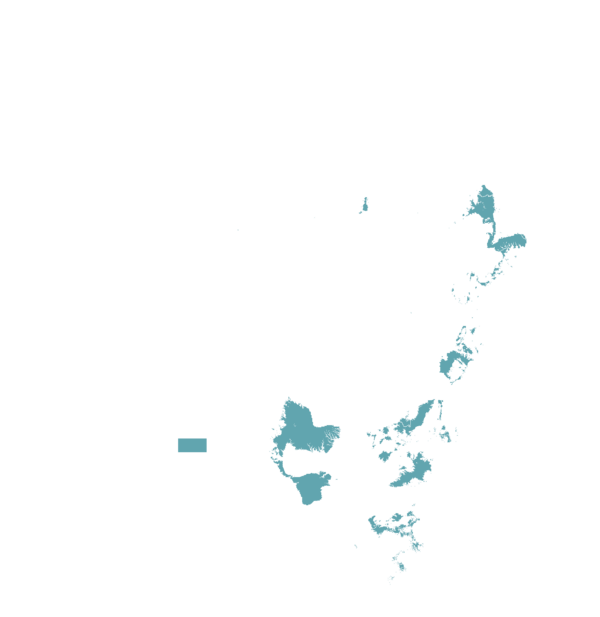
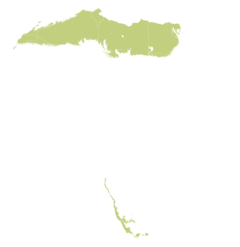
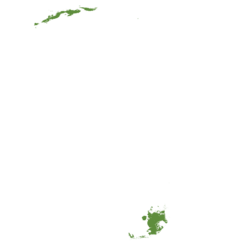
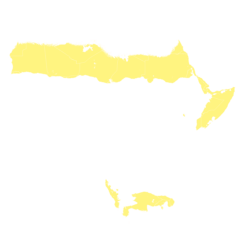
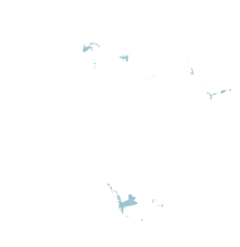
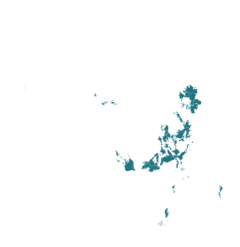
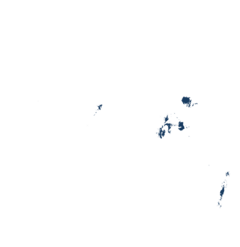
This technology can be used in the colored agro-ecological zones. Any zones shown in white are not suitable for this technology.
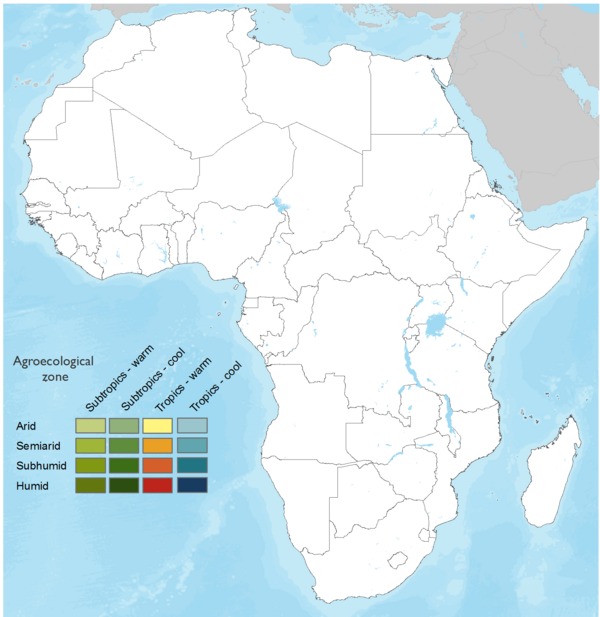



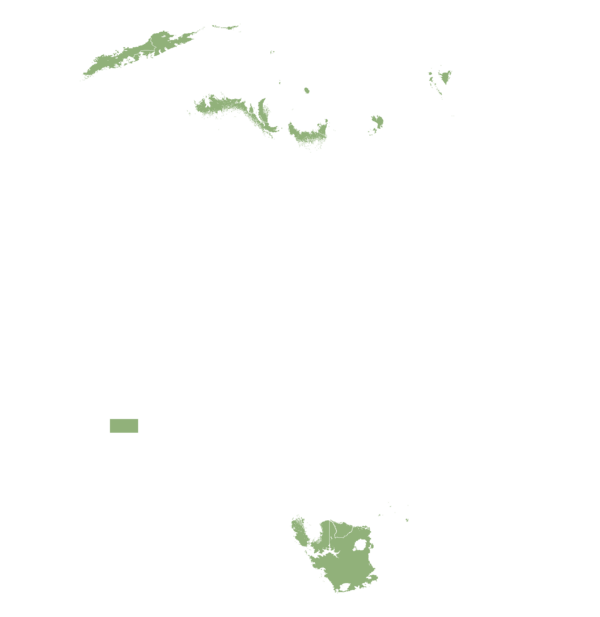






| AEZ | Subtropic - warm | Subtropic - cool | Tropic - warm | Tropic - cool |
|---|---|---|---|---|
| Arid | ||||
| Semiarid | ||||
| Subhumid | ||||
| Humid |
Source: HarvestChoice/IFPRI 2009
The United Nations Sustainable Development Goals that are applicable to this technology.
To operate a combine harvester:
1. Ensure the operator is trained in combine harvester operation, including electronic control panels and mechanical components, to ensure proper usage and prevent breakdowns.
2. Survey the field in consultation with farmers to determine the best approach, considering factors like crop height, land slope, and field features. This assessment aims to prevent grain losses, excessive fuel consumption, poor maneuverability, and damage to irrigation furrows.
3. Combine harvester owners can provide services directly to farmers or collaborate with booking agents who aggregate demand within the community, or use a combination of both approaches.
4. Farmers seeking contract mechanization services should request, schedule, and prepay for these services through SMS messaging or mobile applications, connecting them with equipment owners or booking agents.
5. Once the job is completed, the balance of payment is settled through the digital system, ensuring a transparent and efficient transaction process.
6. Equipment owners and investors receive detailed reports on user and cost-effectiveness, enabling them to refine their business models and access financing for acquiring new equipment.
Last updated on Jul 3, 2026
This technology can be used in the colored agro-ecological zones.












Combine Harvesters for Wheat and Fleet Management tool
https://taat.africa/org/technologies/combine-harvesters-for-wheat-and-fleet-management-tool
Last updated on 3 July 2026, printed on Aug 25, 2026
Enquiries e-catalogs@taat.africa