TAAT e-catalog
for
Development partners
https://taat.africa/org/technologies/dual-purpose-millet-varieties-for-crop-and-livestock-integration
Harvest More, Feed Better, Farm Smarter
Dual-purpose Varieties for Crop and Livestock Integration" refers to a specialized agricultural technology that involves the development and cultivation of specific millet and sorghum varieties designed to serve the dual purpose of providing both human food and animal fodder. These innovative cultivars are engineered to address the challenges faced in African drylands, where natural pastures and rangelands are suffering from overgrazing, soil degradation, and the effects of climate change, exacerbated by increasing livestock populations.
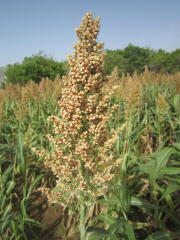
This technology is TAAT1 validated.
| Project | Countries | Beneficiaries | Budget (USD) & duration | Key figures |
|---|---|---|---|---|
|
AFMPFNSHoA Additional Financing to Multinational Programme for Food & Nutrition Security in the Horn of Africa |
|
|
5.4 million 2022–2026 |
|
|
ENSURE Enabling Environments for Sustainable Regional Agriculture Extension |
|
|
13.14 million 2024–2027 |
|
|
SEPAREF Strengthening Emergency Preparedness and Response to Food Crisis |
|
|
10.56 million 2022–2025 |
|
Figures in italic are from project plans and may change during implementation.
Adults 18 and over: Positive high
They benefit from increased agricultural productivity and economic resilience.
The poor: Positive high
It helps them reduce production costs, by offering an affordable way to maximize resources and producing both food and livestock feed from the same crop.
Under 18: Positive high
It improves food security and nutrition for children and teenagers by providing both quality grains for human consumption
Women: Positive high
With better yields from crops and livestock, women can improve household food security and generate additional income
Climate adaptability: Highly adaptable
This variety is more resilient to drought, temperature extremes, and degraded soils, enabling farmers to adapt better to changing climatic conditions.
Farmer climate change readiness: Significant improvement
The ability to produce both grain for food and stover for livestock feed from the same crop helps farmers maintain productivity even in adverse climate conditions.
Biodiversity: Positive impact on biodiversity
The use of crop residues for animal feed reduces the pressure on overgrazed natural pastures and rangelands, allowing these ecosystems to regenerate
Carbon footprint: Same amount of carbon released
By growing a single crop that serves both human and livestock needs, farmers can lower the energy and resource demands of their operations
Environmental health: Greatly improves environmental health
It helps restore balance to ecosystems by promoting the sustainable use of resources, such as crop residues for feed.
Soil quality: Improves soil health and fertility
This technology improves soil quality by enhancing organic matter through crop residues used as mulch or organic fertilizers.
Water use: A bit less water used
This variety is often drought-tolerant and require less water than traditional varieties, making them well-suited for regions with water scarcity.
Diminishing Productivity of Pastures and Rangelands: Natural pastures and rangelands in African drylands are experiencing reduced productivity due to overgrazing, soil degradation, and the effects of climate change.
Increasing Livestock Numbers: The growing livestock population exacerbates the demand for animal feed resources in these regions.
Unsuitable Traditional Millet and Sorghum Varieties: Traditional millet and sorghum varieties are unable to meet the dual requirements of providing both human food and high-quality animal feed due to unfavorable grain-to-stover ratios.
Digestibility and Palatability Issues: Commonly cultivated millet and sorghum lines have higher lignin content, making them less digestible, and some may contain bitter-tasting tannins.
Dual-purpose Varieties: The technology offers new "dual-purpose" millet and sorghum varieties with ideal grain-to-stover ratios, ensuring suitability for both human and animal nutrition.
Reduced Lignin and Tannin Content: These improved cultivars have lower lignin and tannin content, enhancing digestibility and palatability.
Extended Fodder Availability: The new varieties remain green through grain harvest, providing farmers with greater fodder quantity and quality, particularly during the dry season.
Crop-Livestock Integration: Enhanced fodder availability through these dual-purpose varieties allows for more intensive crop-livestock integration, leading to increased manure availability for soil fertility management.
Yield Information: The dual-purpose varieties produce about 40% of grain and 60% of stover on a dry matter basis. Sorghum lines achieve grain yields of 2.5 - 4.0 ton ha-1 and stover yield of 10 - 15 ton ha-1. For millet cultivars, productivity ranges between 2.0 and 2.5 ton ha-1 for grain, and 4.0 - 6.0 ton ha-1 for stover.
Stress Resistance: The new cultivars possess traits that help them survive dry spells and quickly resume growth when moisture returns.
Drought and Cold Tolerance: Sorghum lines tolerate both drought and cold better than other fodder crops, such as maize and Napier grass.
Energy-rich Stover: The stover of dual-purpose sorghum cultivars is sweet with a high sugar concentration of around 15%, matching the energetic value of maize. It can also be used for syrup or bioethanol production.
Greater Digestible Stover Yield: While traditional millet varieties achieve higher production of fodder on a dry matter basis, the new dual-purpose lines provide greater digestible stover yield and metabolizable energy per unit of land area.
Dual-purpose millet and sorghum varieties are climate-smart crops that provide both grain for human consumption and nutritious stover for livestock feed. By improving the balance between food and fodder production, these varieties reduce the trade-offs that often constrain dryland farming systems, strengthen resilience to drought, improve livestock feeding during the dry season, and support more efficient crop–livestock integration. The technology is well suited for climate-smart agriculture, food security, livestock development, and sustainable land management programmes, contributing to SDGs 1 (No Poverty), 2 (Zero Hunger), 13 (Climate Action), and 15 (Life on Land). It creates significant benefits for smallholder farmers through improved food security, livestock productivity, and resource-use efficiency. To successfully integrate this technology, consider the following key actions:
Per hectare for seed, fertilizer, and labor
Sorghum grain yield per Ha
Sorghum stover yield per Ha
Sugar concentration
No formal IP rights
Scaling Readiness describes how complete a technology\’s development is and its ability to be scaled. It produces a score that measures a technology\’s readiness along two axes: the level of maturity of the idea itself, and the level to which the technology has been used so far.
Each axis goes from 0 to 9 where 9 is the “ready-to-scale” status. For each technology profile in the e-catalogs we have documented the scaling readiness status from evidence given by the technology providers. The e-catalogs only showcase technologies for which the scaling readiness score is at least 8 for maturity of the idea and 7 for the level of use.
The graph below represents visually the scaling readiness status for this technology, you can see the label of each level by hovering your mouse cursor on the number.
Read more about scaling readiness ›
Semi-controlled environment: prototype
Used by some intended users, in the real world
| Maturity of the idea | Level of use | |||||||||
| 9 | ||||||||||
| 8 | ||||||||||
| 7 | ||||||||||
| 6 | ||||||||||
| 5 | ||||||||||
| 4 | ||||||||||
| 3 | ||||||||||
| 2 | ||||||||||
| 1 | ||||||||||
| 1 | 2 | 3 | 4 | 5 | 6 | 7 | 8 | 9 | ||
| Project | Countries | Beneficiaries | Budget (USD) & duration | Key figures |
|---|---|---|---|---|
|
AFMPFNSHoA Additional Financing to Multinational Programme for Food & Nutrition Security in the Horn of Africa |
|
|
5.4 million 2022–2026 |
|
|
ENSURE Enabling Environments for Sustainable Regional Agriculture Extension |
|
|
13.14 million 2024–2027 |
|
|
SEPAREF Strengthening Emergency Preparedness and Response to Food Crisis |
|
|
10.56 million 2022–2025 |
|
Figures in italic are from project plans and may change during implementation.
| Country | Testing ongoing | Tested | Adopted |
|---|---|---|---|
| Burkina Faso | –No ongoing testing | Tested | Adopted |
| Chad | –No ongoing testing | Tested | Adopted |
| Ethiopia | –No ongoing testing | Tested | Adopted |
| Kenya | –No ongoing testing | Tested | Adopted |
| Mali | –No ongoing testing | Tested | Adopted |
| Niger | –No ongoing testing | Tested | Adopted |
| Nigeria | –No ongoing testing | Tested | Adopted |
| Senegal | –No ongoing testing | Tested | Adopted |
| Sudan | –No ongoing testing | Tested | Adopted |
| Tanzania | –No ongoing testing | Tested | Adopted |
| Zimbabwe | –No ongoing testing | Tested | Adopted |
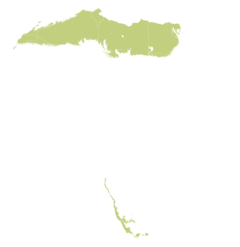
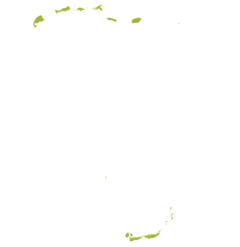
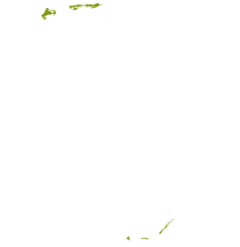
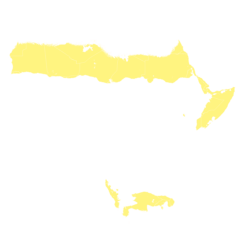
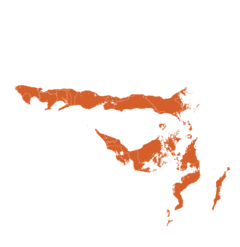
This technology can be used in the colored agro-ecological zones. Any zones shown in white are not suitable for this technology.
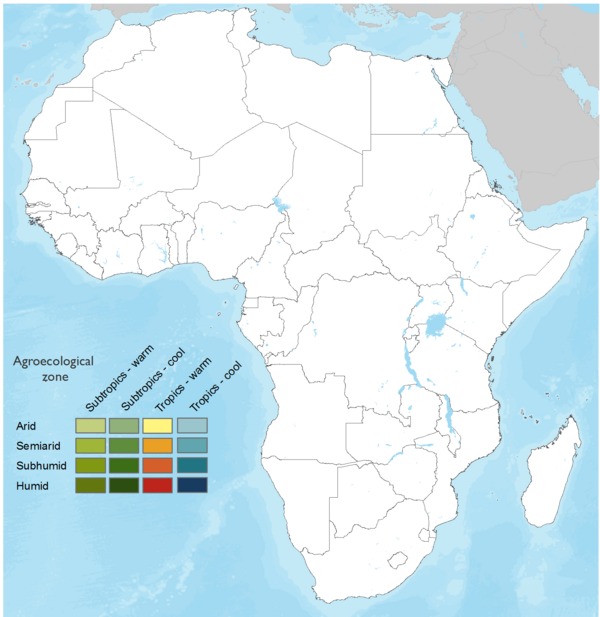


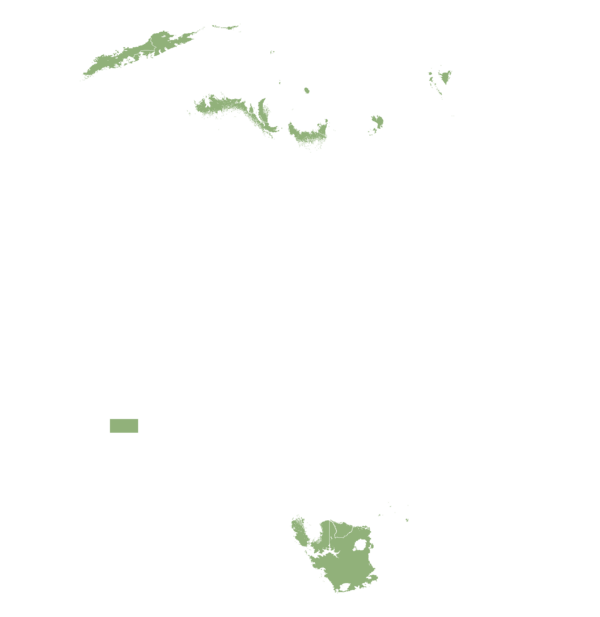


| AEZ | Subtropic - warm | Subtropic - cool | Tropic - warm | Tropic - cool |
|---|---|---|---|---|
| Arid | ||||
| Semiarid | – | – | ||
| Subhumid | – | – | ||
| Humid | – | – | – | – |
Source: HarvestChoice/IFPRI 2009
The United Nations Sustainable Development Goals that are applicable to this technology.

The technology helps increase income for smallholder farmers by improving crop and livestock productivity, thus contributing to poverty alleviation.
This technology enhances agricultural yields and livestock productivity, directly addressing hunger and malnutrition.

The climate-resilient nature of these crops helps farmers adapt to climate change, reducing vulnerability to extreme weather events and enhancing climate resilience.

this technology contributes to the protection and restoration of ecosystems, supporting biodiversity and combating desertification
For effectively utilization of dual-purpose millet and sorghum varieties for integrated crop and livestock farming, it require to:
Last updated on Jul 3, 2026
This technology can be used in the colored agro-ecological zones.




Dual-purpose Millet Varieties for Crop and Livestock Integration
https://taat.africa/org/technologies/dual-purpose-millet-varieties-for-crop-and-livestock-integration
Last updated on 3 July 2026, printed on Aug 25, 2026
Enquiries e-catalogs@taat.africa