
TAAT e-catalog
for
Development partners
https://taat.africa/org/technologies/herbicides-calculator
Reduce pesticide and herbicide losses with IITA's herbicide calculator
The "IITA Herbicides Calculator" is a solution designed to address the prevalent issue of pesticide misuse resulting from inadequate calibration of spray tanks. It permits farmers to estimate the required quantity of herbicides for knapsack sprayers. This tool was developed using Java language, the Ionic framework, and Android Studio, ensuring its robustness and usability. Tested for effectiveness and reliability by researchers, this technology assists in calibrating the application of herbicides and other pesticides specifically for knapsack sprayers. It's important to note that the tool does not involve specific compositions or sequences of products or technologies.

This technology is TAAT1 validated.
Adults 18 and over: Positive high
The poor: Positive medium
Under 18: Positive low
Women: Positive medium
Climate adaptability: Highly adaptable
Farmer climate change readiness: Significant improvement
Biodiversity: No impact on biodiversity
Carbon footprint: Same amount of carbon released
Soil quality: Does not affect soil health and fertility
Water use: Same amount of water used
The Herbicide Calculator is a digital decision-support tool that helps farmers and spray service providers accurately calibrate knapsack sprayers and determine the correct herbicide dosage before application. The technology addresses widespread herbicide misuse caused by poor spray calibration, resulting in excessive or insufficient herbicide application, higher production costs, reduced weed control effectiveness, environmental contamination, and chemical residues in crops. It is well suited for climate-smart agriculture, sustainable intensification, digital extension, and crop productivity programmes, contributing to SDGs 3 (Good Health and Well-being), 8 (Decent Work and Economic Growth), 9 (Industry, Innovation and Infrastructure). It also creates employment and entrepreneurship opportunities for farmers, women, youth, and spray service providers through improved digital advisory services and safer agrochemical application. To successfully integrate this technology, consider the following key actions:
Open source / open access
Scaling Readiness describes how complete a technology\’s development is and its ability to be scaled. It produces a score that measures a technology\’s readiness along two axes: the level of maturity of the idea itself, and the level to which the technology has been used so far.
Each axis goes from 0 to 9 where 9 is the “ready-to-scale” status. For each technology profile in the e-catalogs we have documented the scaling readiness status from evidence given by the technology providers. The e-catalogs only showcase technologies for which the scaling readiness score is at least 8 for maturity of the idea and 7 for the level of use.
The graph below represents visually the scaling readiness status for this technology, you can see the label of each level by hovering your mouse cursor on the number.
Read more about scaling readiness ›
Semi-controlled environment: prototype
Common use by projects NOT connected to technology provider
| Maturity of the idea | Level of use | |||||||||
| 9 | ||||||||||
| 8 | ||||||||||
| 7 | ||||||||||
| 6 | ||||||||||
| 5 | ||||||||||
| 4 | ||||||||||
| 3 | ||||||||||
| 2 | ||||||||||
| 1 | ||||||||||
| 1 | 2 | 3 | 4 | 5 | 6 | 7 | 8 | 9 | ||
| Country | Testing ongoing | Tested | Adopted |
|---|---|---|---|
| Nigeria | –No ongoing testing | Tested | Adopted |
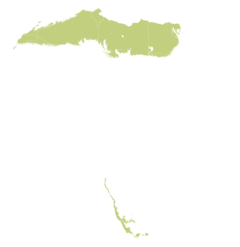
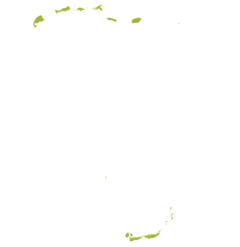
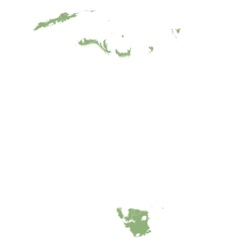
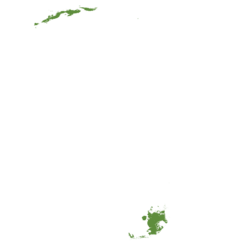
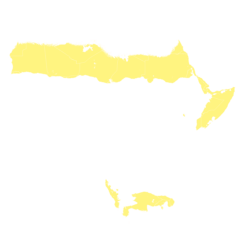
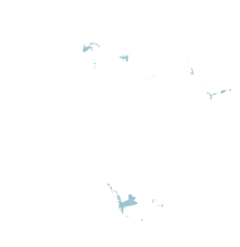
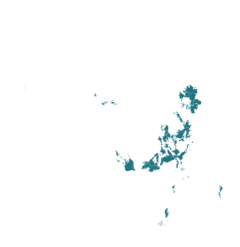
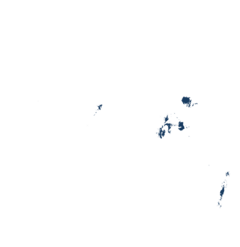
This technology can be used in the colored agro-ecological zones. Any zones shown in white are not suitable for this technology.
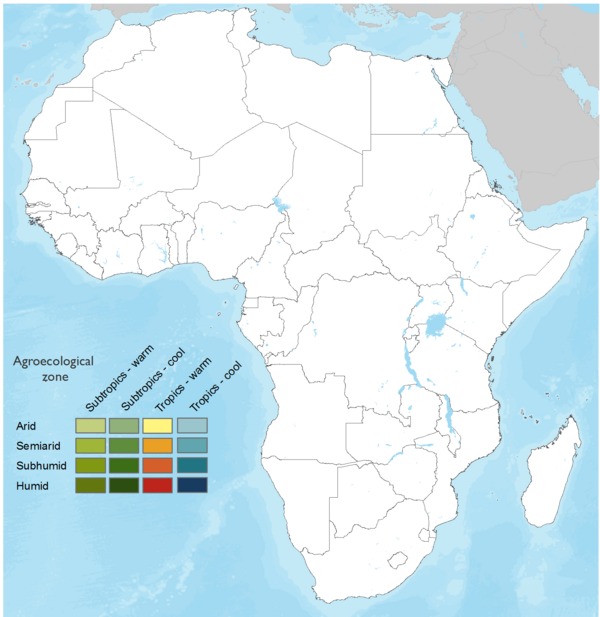



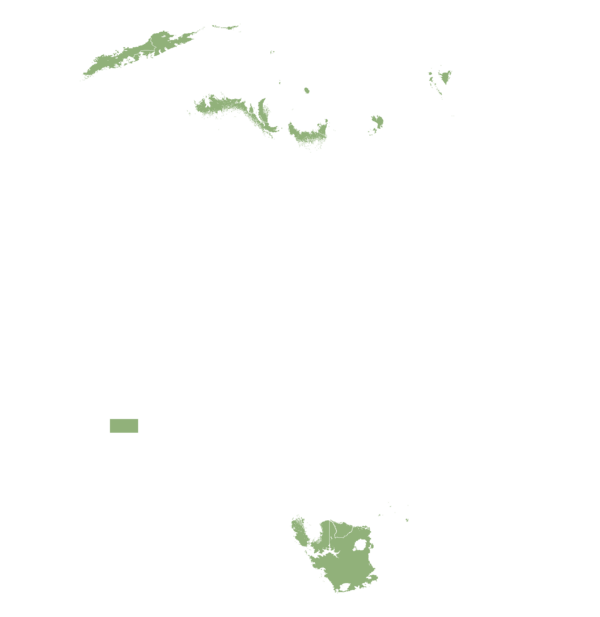
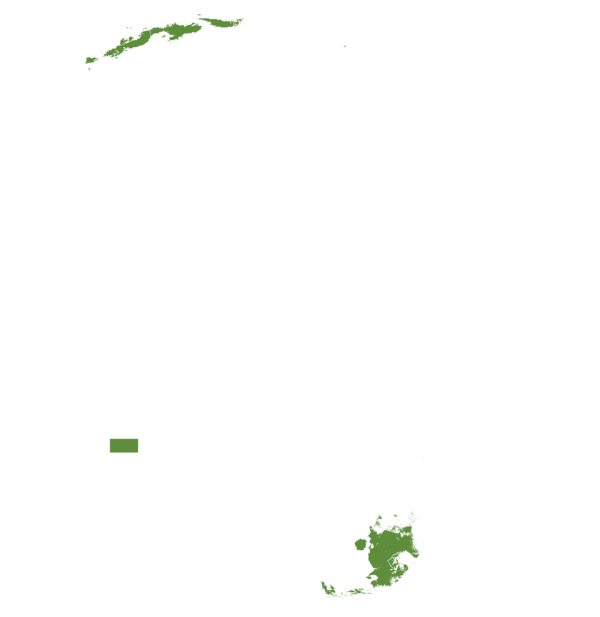




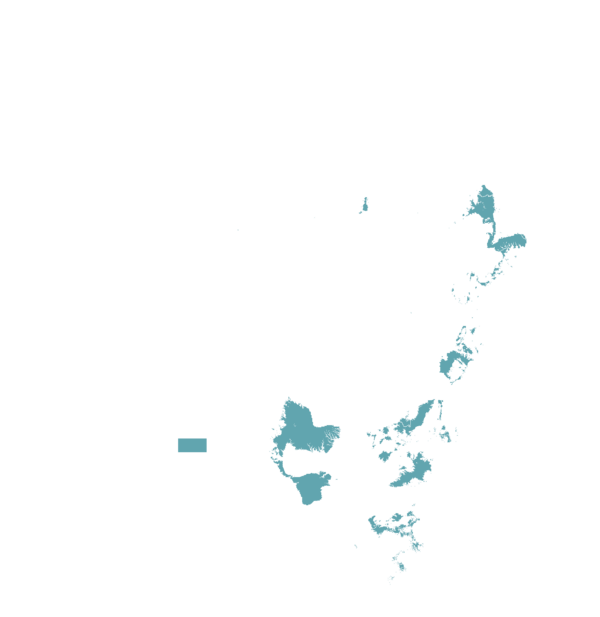


| AEZ | Subtropic - warm | Subtropic - cool | Tropic - warm | Tropic - cool |
|---|---|---|---|---|
| Arid | ||||
| Semiarid | ||||
| Subhumid | ||||
| Humid |
Source: HarvestChoice/IFPRI 2009
The United Nations Sustainable Development Goals that are applicable to this technology.



Last updated on Jul 3, 2026
This technology can be used in the colored agro-ecological zones.










Herbicides Calculator
https://taat.africa/org/technologies/herbicides-calculator
Last updated on 3 July 2026, printed on Aug 25, 2026
Enquiries e-catalogs@taat.africa