TAAT e-catalog
for
Development partners
https://taat.africa/org/technologies/low-cost-cage-and-free-range-containment
Safeguarding Chickens and reducing Costs
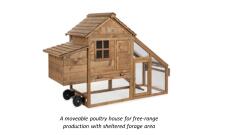
This technology is a special kind of chicken house that can be moved around. During the day, the chickens get to go outside and find their own food like bugs and plants. When it's time to sleep, they go back into the house where it's safe. What's great about this house is that it's not expensive to build, and it's easy to move. This is really helpful for small farmers who may not have a lot of money for fancy chicken houses. It also makes sure the chickens are happy and well looked after. The house is made from simple materials like wood, metal sheets for the roof, and mesh to keep the chickens safe. It's important to keep the house clean and fresh for the chickens' health. The design also makes sure the air inside is good for the chickens. Placing the house on flat ground and protecting it from predators is also key. All these things together make it a really helpful and practical solution for chicken farming.
This technology is TAAT1 validated.
| Project | Countries | Beneficiaries | Budget (USD) & duration | Key figures |
|---|---|---|---|---|
|
ENSURE Enabling Environments for Sustainable Regional Agriculture Extension |
|
|
13.14 million 2024–2027 |
|
Figures in italic are from project plans and may change during implementation.
Adults 18 and over: Positive high
The poor: Positive high
Under 18: Positive low
Women: Positive high
Climate adaptability: Highly adaptable
Farmer climate change readiness: Significant improvement
Environmental health: Moderately improves environmental health
Soil quality: Improves soil health and fertility
Water use: Same amount of water used
This technology promotes low-cost movable poultry housing that combines secure night-time containment with free-range production to improve poultry productivity, reduce production costs, and strengthen farm resilience. It can be integrated into poultry value chain development, food security, climate-smart agriculture, organic agriculture, rural livelihood, and youth and women entrepreneurship programmes. By enabling birds to forage naturally while protecting them from predators, disease, and adverse weather, the technology lowers feed costs, improves animal welfare, enhances manure recycling, and responds to the growing demand for free-range poultry products. It supports SDGs 2 (Zero Hunger), 3 (Good Health and Well-being), 8 (Decent Work and Economic Growth), 13 (Climate Action), 15 (Life on Land), and 17 (Partnerships for the Goals), while creating accessible business opportunities for women, youth, and smallholder poultry producers.
To successfully integrate this technology, consider the following key actions:
Weight of mature meat chickens in 6 weeks
floor space for 100 birds.
Open source / open access
Scaling Readiness describes how complete a technology\’s development is and its ability to be scaled. It produces a score that measures a technology\’s readiness along two axes: the level of maturity of the idea itself, and the level to which the technology has been used so far.
Each axis goes from 0 to 9 where 9 is the “ready-to-scale” status. For each technology profile in the e-catalogs we have documented the scaling readiness status from evidence given by the technology providers. The e-catalogs only showcase technologies for which the scaling readiness score is at least 8 for maturity of the idea and 7 for the level of use.
The graph below represents visually the scaling readiness status for this technology, you can see the label of each level by hovering your mouse cursor on the number.
Read more about scaling readiness ›
Uncontrolled environment: tested
Common use by intended users, in the real world
| Maturity of the idea | Level of use | |||||||||
| 9 | ||||||||||
| 8 | ||||||||||
| 7 | ||||||||||
| 6 | ||||||||||
| 5 | ||||||||||
| 4 | ||||||||||
| 3 | ||||||||||
| 2 | ||||||||||
| 1 | ||||||||||
| 1 | 2 | 3 | 4 | 5 | 6 | 7 | 8 | 9 | ||
| Project | Countries | Beneficiaries | Budget (USD) & duration | Key figures |
|---|---|---|---|---|
|
ENSURE Enabling Environments for Sustainable Regional Agriculture Extension |
|
|
13.14 million 2024–2027 |
|
Figures in italic are from project plans and may change during implementation.
| Country | Testing ongoing | Tested | Adopted |
|---|---|---|---|
| Benin | –No ongoing testing | –Not tested | Adopted |
| Botswana | –No ongoing testing | –Not tested | Adopted |
| Burundi | –No ongoing testing | –Not tested | Adopted |
| Central African Republic | –No ongoing testing | –Not tested | Adopted |
| Côte d’Ivoire | –No ongoing testing | –Not tested | Adopted |
| Democratic Republic of the Congo | –No ongoing testing | –Not tested | Adopted |
| Ethiopia | –No ongoing testing | –Not tested | Adopted |
| Gabon | –No ongoing testing | –Not tested | Adopted |
| Ghana | –No ongoing testing | –Not tested | Adopted |
| Guinea | –No ongoing testing | –Not tested | Adopted |
| Kenya | –No ongoing testing | –Not tested | Adopted |
| Madagascar | –No ongoing testing | –Not tested | Adopted |
| Malawi | –No ongoing testing | –Not tested | Adopted |
| Mozambique | –No ongoing testing | –Not tested | Adopted |
| Niger | –No ongoing testing | –Not tested | Adopted |
| Nigeria | –No ongoing testing | –Not tested | Adopted |
| Rwanda | –No ongoing testing | –Not tested | Adopted |
| Senegal | –No ongoing testing | –Not tested | Adopted |
| Sierra Leone | –No ongoing testing | –Not tested | Adopted |
| Somalia | –No ongoing testing | –Not tested | Adopted |
| South Sudan | –No ongoing testing | –Not tested | Adopted |
| Tanzania | –No ongoing testing | –Not tested | Adopted |
| Uganda | –No ongoing testing | –Not tested | Adopted |
| Zambia | –No ongoing testing | –Not tested | Adopted |
| Zimbabwe | –No ongoing testing | –Not tested | Adopted |
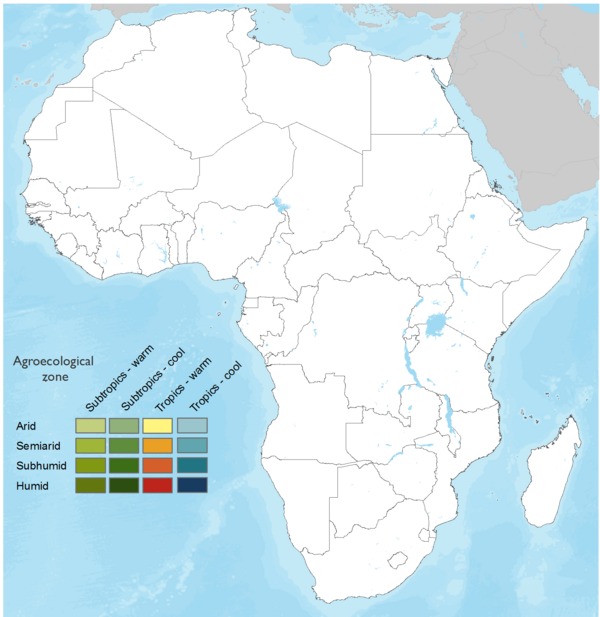
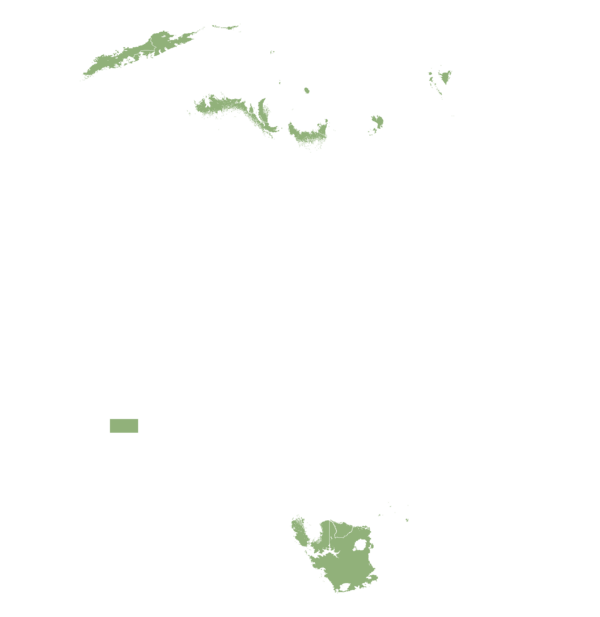
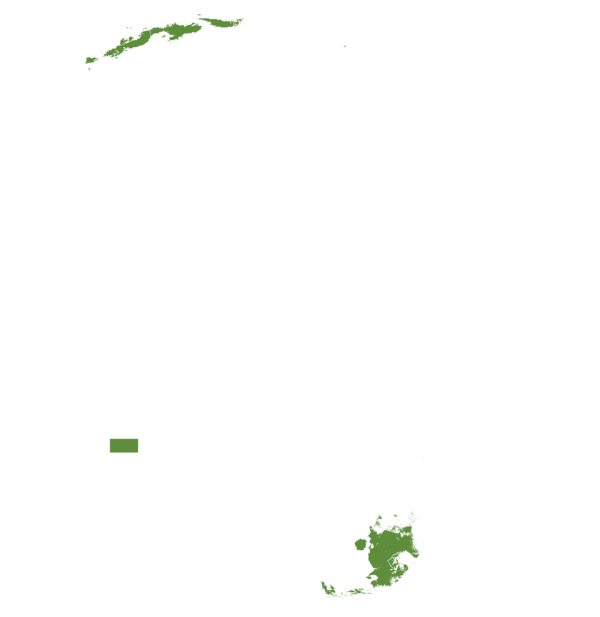
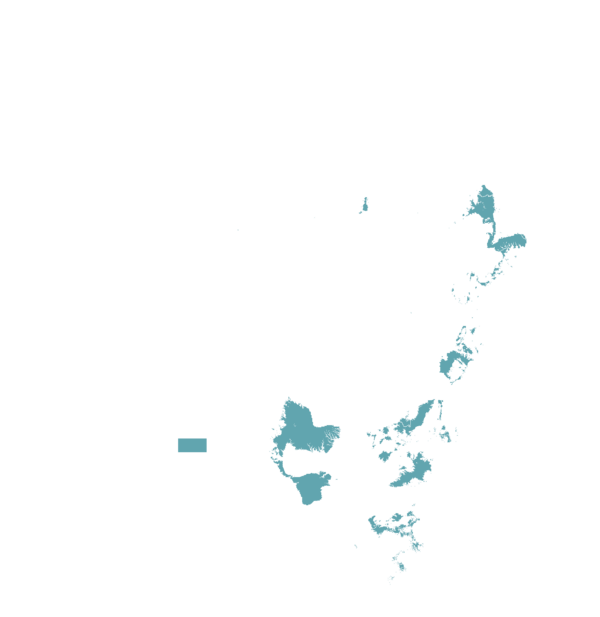
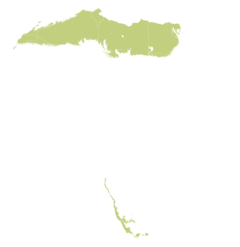
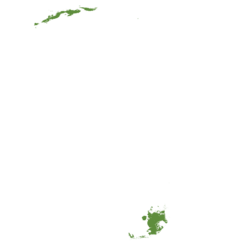
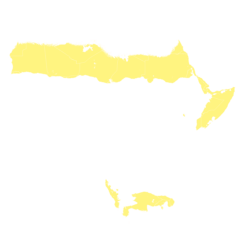
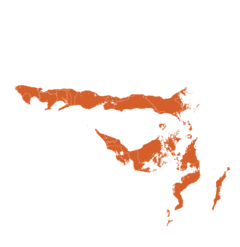
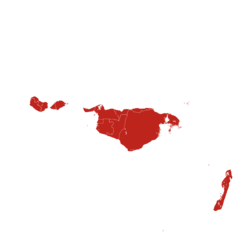
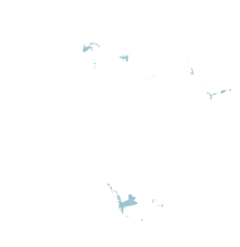
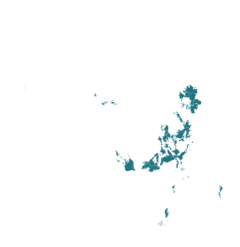
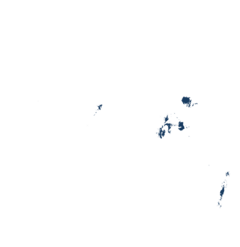
This technology can be used in the colored agro-ecological zones. Any zones shown in white are not suitable for this technology.









| AEZ | Subtropic - warm | Subtropic - cool | Tropic - warm | Tropic - cool |
|---|---|---|---|---|
| Arid | ||||
| Semiarid | ||||
| Subhumid | ||||
| Humid |
Source: HarvestChoice/IFPRI 2009
The United Nations Sustainable Development Goals that are applicable to this technology.
Last updated on Jul 6, 2026
This technology can be used in the colored agro-ecological zones.










Low-Cost Cage and Free-Range Containment
https://taat.africa/org/technologies/low-cost-cage-and-free-range-containment
Last updated on 6 July 2026, printed on Aug 25, 2026
Enquiries e-catalogs@taat.africa