TAAT e-catalog
for
Development partners
https://taat.africa/org/technologies/low-dose-pest-control-seed-dressing-of-seed-with-fungicide-and-insecticide

Pest control for optimum yields
The "Seed Dressing with Fungicide and Insecticide" technology consist to the application of chemical control agents to common bean seeds to combat fungal diseases like anthracnose and pests such as stem maggots that cause significant yield losses in Africa. It offers various seed dressing products, such as Syngenta’s APRON STAR®, which combines fungicides and insecticides to effectively control diseases and pests, leading to robust root development, uniform growth, and higher yields, especially in tropical regions with favorable conditions for fungal pathogens. This method utilizes a cost-effective and environmentally friendly approach, offering enhanced protection and increased productivity for common bean crops. This adaptable and accessible technique doesn’t require specialized equipment and is easily implementable at both farms and factories, offering a widely adoptable solution to protect common bean crops against prevalent diseases and pests in various agricultural regions.
This technology is TAAT1 validated.
| Project | Countries | Beneficiaries | Budget (USD) & duration | Key figures |
|---|---|---|---|---|
|
ENSURE Enabling Environments for Sustainable Regional Agriculture Extension |
|
|
13.14 million 2024–2027 |
|
Figures in italic are from project plans and may change during implementation.
Adults 18 and over: Positive high
The poor: Positive medium
Under 18: Positive medium
Women: Positive high
Climate adaptability: Moderately adaptable
Farmer climate change readiness: Significant improvement
Biodiversity: No impact on biodiversity
Carbon footprint: Same amount of carbon released
Environmental health: Does not improve environmental health
Soil quality: Does not affect soil health and fertility
Water use: Same amount of water used
Endangering Planting Material: Diseases and pests harbored by seeds endanger the integrity of planting material stocks, threatening the viability of future crops and risking widespread agricultural setbacks.
Threat of Crop Failure: Soil-borne diseases and insect pests pose a severe risk to common bean crops, leading to sparse plant density and even complete crop failure, exacerbating food insecurity and economic instability.
Low-dose Pest Control is a seed treatment technology that protects common bean seeds against fungal diseases and early-season insect pests through the application of fungicides and insecticides before planting. The technology improves seedling establishment, crop health, and yields while minimizing pesticide use and reducing environmental contamination. It can be integrated into common bean value chain development, integrated pest management, food security, sustainable crop protection, and climate-smart agriculture programs. Its adoption contributes to SDGs 1 (No Poverty), 2 (Zero Hunger), 3 (Good Health and Well-being), 8 (Decent Work and Economic Growth), 12 (Responsible Consumption and Production), and 13 (Climate Action).
To integrate this technology into your project, plan and budget for the following activities and prerequisites:
Equipment for manual application
Equipment for mechanized application for a small unit
Equipment for mechanized application for a large unit
Open source / open access
Scaling Readiness describes how complete a technology\’s development is and its ability to be scaled. It produces a score that measures a technology\’s readiness along two axes: the level of maturity of the idea itself, and the level to which the technology has been used so far.
Each axis goes from 0 to 9 where 9 is the “ready-to-scale” status. For each technology profile in the e-catalogs we have documented the scaling readiness status from evidence given by the technology providers. The e-catalogs only showcase technologies for which the scaling readiness score is at least 8 for maturity of the idea and 7 for the level of use.
The graph below represents visually the scaling readiness status for this technology, you can see the label of each level by hovering your mouse cursor on the number.
Read more about scaling readiness ›
Semi-controlled environment: prototype
Used by some intended users, in the real world
| Maturity of the idea | Level of use | |||||||||
| 9 | ||||||||||
| 8 | ||||||||||
| 7 | ||||||||||
| 6 | ||||||||||
| 5 | ||||||||||
| 4 | ||||||||||
| 3 | ||||||||||
| 2 | ||||||||||
| 1 | ||||||||||
| 1 | 2 | 3 | 4 | 5 | 6 | 7 | 8 | 9 | ||
| Project | Countries | Beneficiaries | Budget (USD) & duration | Key figures |
|---|---|---|---|---|
|
ENSURE Enabling Environments for Sustainable Regional Agriculture Extension |
|
|
13.14 million 2024–2027 |
|
Figures in italic are from project plans and may change during implementation.
| Country | Testing ongoing | Tested | Adopted |
|---|---|---|---|
| Burundi | –No ongoing testing | Tested | Adopted |
| Cameroon | –No ongoing testing | Tested | Adopted |
| Democratic Republic of the Congo | –No ongoing testing | Tested | Adopted |
| Ethiopia | –No ongoing testing | Tested | Adopted |
| Kenya | –No ongoing testing | Tested | Adopted |
| Malawi | –No ongoing testing | Tested | Adopted |
| Mozambique | –No ongoing testing | Tested | Adopted |
| Nigeria | –No ongoing testing | Tested | Adopted |
| Rwanda | –No ongoing testing | Tested | Adopted |
| South Sudan | –No ongoing testing | Tested | Adopted |
| Tanzania | –No ongoing testing | Tested | Adopted |
| Uganda | –No ongoing testing | Tested | Adopted |
| Zambia | –No ongoing testing | Tested | Adopted |
| Zimbabwe | –No ongoing testing | Tested | Adopted |
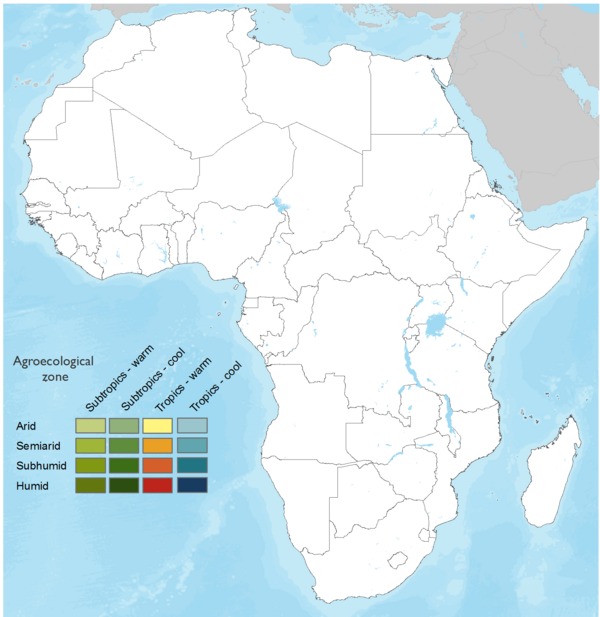
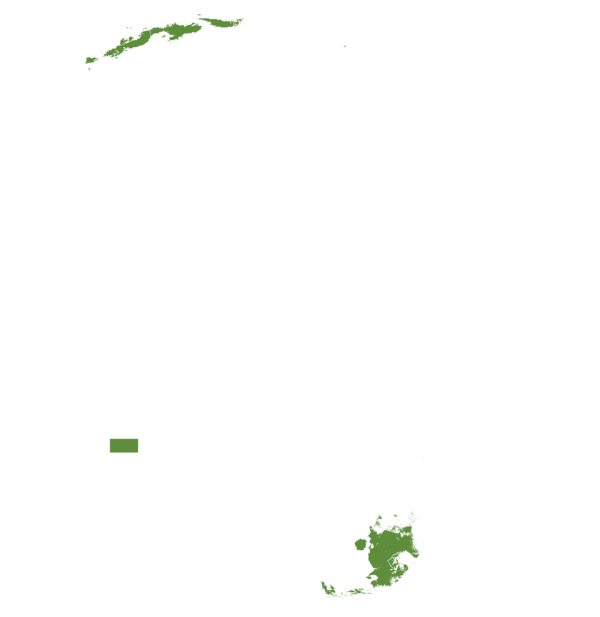
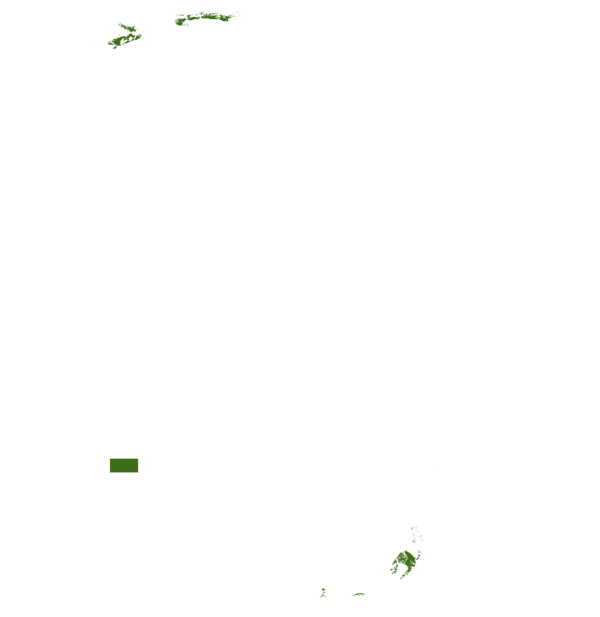
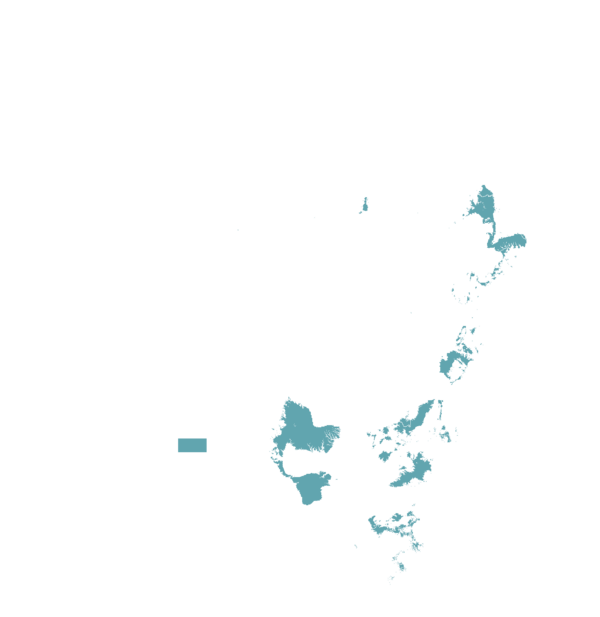
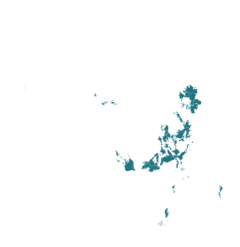
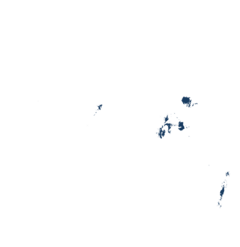
This technology can be used in the colored agro-ecological zones. Any zones shown in white are not suitable for this technology.




| AEZ | Subtropic - warm | Subtropic - cool | Tropic - warm | Tropic - cool |
|---|---|---|---|---|
| Arid | – | – | – | – |
| Semiarid | – | – | ||
| Subhumid | – | – | ||
| Humid |
Source: HarvestChoice/IFPRI 2009
The United Nations Sustainable Development Goals that are applicable to this technology.

Last updated on Jul 2, 2026
This technology can be used in the colored agro-ecological zones.






Low-dose pest control: Seed dressing of Seed with Fungicide and Insecticide
https://taat.africa/org/technologies/low-dose-pest-control-seed-dressing-of-seed-with-fungicide-and-insecticide
Last updated on 2 July 2026, printed on Aug 25, 2026
Enquiries e-catalogs@taat.africa