TAAT e-catalog
for
Development partners
https://taat.africa/org/technologies/millet-and-sorghum-varieties-for-better-nutrition-and-stress-resistance
Strong Crops, Healthy People
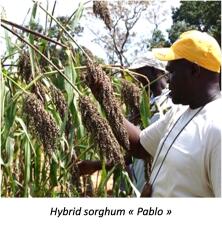
The "Millet and Sorghum Varieties for Better Nutrition and Stress Resistance" technology is a range of improved millet and sorghum varieties that are a game-changer for agriculture in Africa. These varieties are highly nutritious, resilient in the face of drought, heat, and pests, and specifically bio-fortified with elevated iron and zinc levels. With an accelerated maturation process, these crops are a reliable risk management strategy for farmers facing challenging climate conditions.
This technology is TAAT1 validated.
| Project | Countries | Beneficiaries | Budget (USD) & duration | Key figures |
|---|---|---|---|---|
|
ENSURE Enabling Environments for Sustainable Regional Agriculture Extension |
|
|
13.14 million 2024–2027 |
|
|
ESFSP Emergency Support to Food Security Project |
|
|
6.5 million 2022–2024 |
|
|
SEPAREF Strengthening Emergency Preparedness and Response to Food Crisis |
|
|
10.56 million 2022–2025 |
|
|
SSEFPP-1 SSEFPP-1 Emergency Food Production Plan |
|
|
8.1 million 2022–2023 |
|
Figures in italic are from project plans and may change during implementation.
Adults 18 and over: Positive high
The poor: Positive medium
Under 18: Positive low
Women: Positive low
Climate adaptability: Highly adaptable
Farmer climate change readiness: Significant improvement
Biodiversity: Positive impact on biodiversity
Carbon footprint: Same amount of carbon released
Environmental health: Greatly improves environmental health
Soil quality: Improves soil health and fertility
Water use: Much less water used
Low Crop Yields and Food Insecurity: Millet and sorghum yields in Africa are below their potential, leading to food insecurity and malnutrition in communities that depend on these crops.
Limited Climate Resilience: The crops are susceptible to drought, heat, and pests, making them vulnerable to changing climate conditions.
Lack of Nutrient-Dense Varieties: Traditional varieties of millet and sorghum may not provide sufficient nutritional value, particularly in terms of iron and zinc content.
Inadequate Access to Improved Varieties: New, high-yielding, climate-resilient, and nutrient-dense varieties are not widely available to farmers in many African regions.
Improved Varieties: The technology involves the development of new millet and sorghum varieties that are high-yielding, bio-fortified (rich in iron and zinc), and resilient to drought, heat, and pests.
Climate Resilience: These newly developed varieties are adapted to withstand drought and high temperatures, making them a suitable risk management strategy for farmers in challenging environments.
Nutrient Enhancement: The improved varieties have higher levels of iron and zinc, addressing nutritional deficiencies in communities dependent on these crops.
Wider Availability: Collaboration with various organizations has facilitated the distribution and availability of these improved varieties to farmers across different regions, including those with low rainfall and poor soil conditions.
Diverse Use and Market Potential: The new varieties offer better taste and cooking characteristics, expanding their potential uses from food and fodder to brewing and biofuels. This diversification can contribute to value addition and marketing opportunities.
Millet and Sorghum Varieties for Better Nutrition and Stress Resistance improve food security, nutrition, and climate resilience through biofortified, drought-, heat-, and pest-tolerant varieties with enhanced iron and zinc content. The technology can be integrated into food security, nutrition, climate resilience, seed systems, and cereal value chain development programs. Its adoption contributes to SDGs 1 (No Poverty), 2 (Zero Hunger), 3 (Good Health and Well-being), and 13 (Climate Action).
To integrate this technology into your project, plan and budget for the following activities and prerequisites:
Seed for one hectare of land for sorghum
Seed for one hectare of land for pearl millet
A ton of animal manure cost
Inorganic fertilizer cost
Scaling Readiness describes how complete a technology\’s development is and its ability to be scaled. It produces a score that measures a technology\’s readiness along two axes: the level of maturity of the idea itself, and the level to which the technology has been used so far.
Each axis goes from 0 to 9 where 9 is the “ready-to-scale” status. For each technology profile in the e-catalogs we have documented the scaling readiness status from evidence given by the technology providers. The e-catalogs only showcase technologies for which the scaling readiness score is at least 8 for maturity of the idea and 7 for the level of use.
The graph below represents visually the scaling readiness status for this technology, you can see the label of each level by hovering your mouse cursor on the number.
Read more about scaling readiness ›
Semi-controlled environment: prototype
Common use by projects NOT connected to technology provider
| Maturity of the idea | Level of use | |||||||||
| 9 | ||||||||||
| 8 | ||||||||||
| 7 | ||||||||||
| 6 | ||||||||||
| 5 | ||||||||||
| 4 | ||||||||||
| 3 | ||||||||||
| 2 | ||||||||||
| 1 | ||||||||||
| 1 | 2 | 3 | 4 | 5 | 6 | 7 | 8 | 9 | ||
| Project | Countries | Beneficiaries | Budget (USD) & duration | Key figures |
|---|---|---|---|---|
|
ENSURE Enabling Environments for Sustainable Regional Agriculture Extension |
|
|
13.14 million 2024–2027 |
|
|
ESFSP Emergency Support to Food Security Project |
|
|
6.5 million 2022–2024 |
|
|
SEPAREF Strengthening Emergency Preparedness and Response to Food Crisis |
|
|
10.56 million 2022–2025 |
|
|
SSEFPP-1 SSEFPP-1 Emergency Food Production Plan |
|
|
8.1 million 2022–2023 |
|
Figures in italic are from project plans and may change during implementation.
| Country | Testing ongoing | Tested | Adopted |
|---|---|---|---|
| Burkina Faso | –No ongoing testing | Tested | Adopted |
| Chad | –No ongoing testing | Tested | Adopted |
| Ethiopia | –No ongoing testing | Tested | Adopted |
| Kenya | –No ongoing testing | Tested | Adopted |
| Mali | –No ongoing testing | Tested | Adopted |
| Niger | –No ongoing testing | Tested | Adopted |
| Nigeria | –No ongoing testing | Tested | Adopted |
| Senegal | –No ongoing testing | Tested | Adopted |
| Sudan | –No ongoing testing | Tested | Adopted |
| Tanzania | –No ongoing testing | Tested | Adopted |
| Zimbabwe | –No ongoing testing | Tested | Adopted |
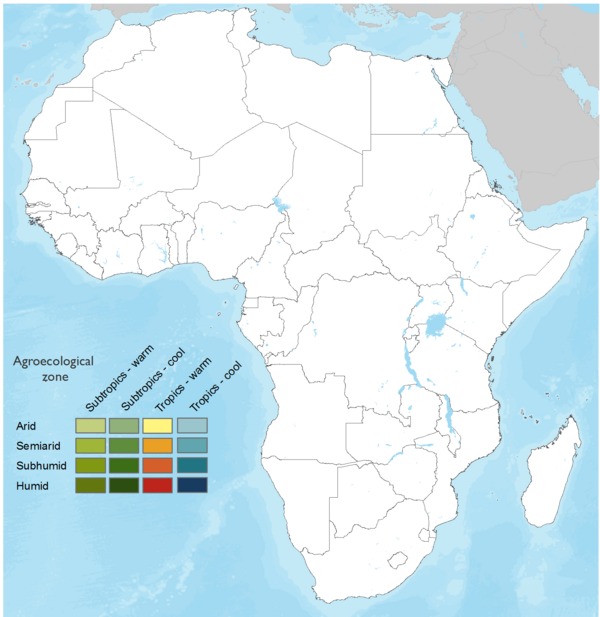
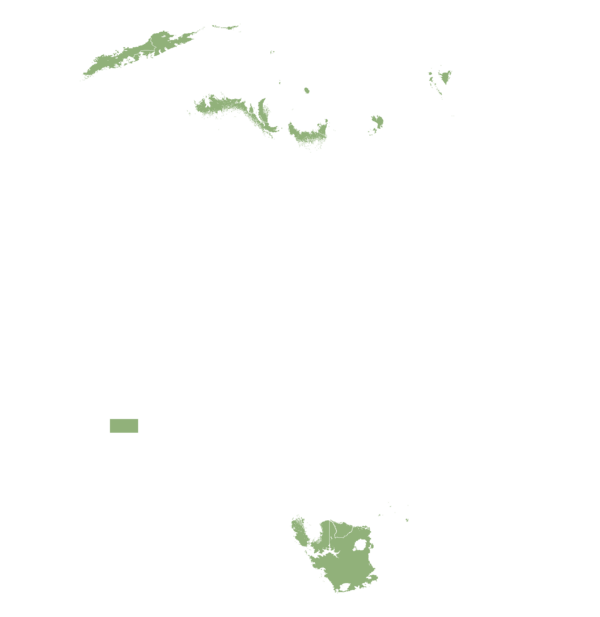
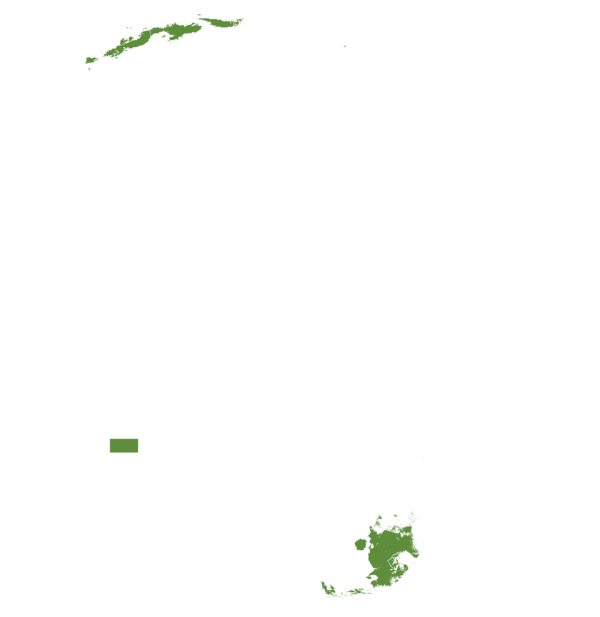
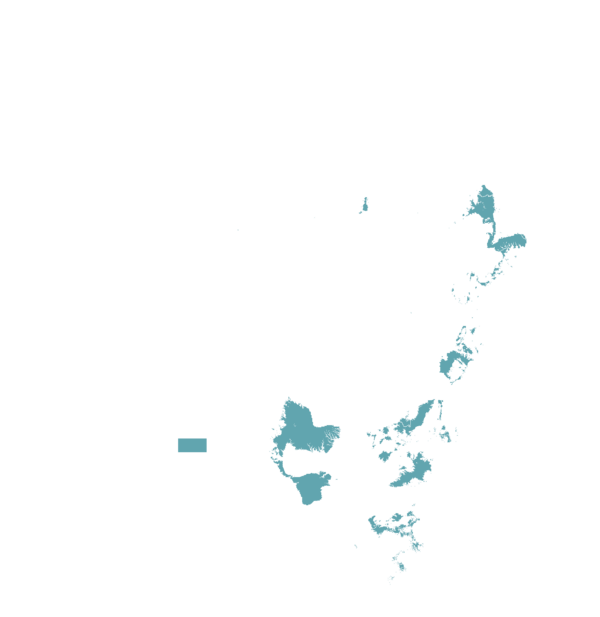
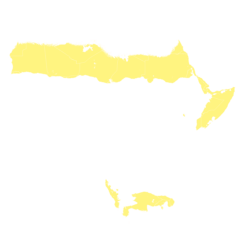
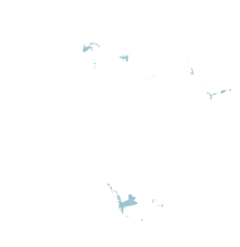
This technology can be used in the colored agro-ecological zones. Any zones shown in white are not suitable for this technology.




| AEZ | Subtropic - warm | Subtropic - cool | Tropic - warm | Tropic - cool |
|---|---|---|---|---|
| Arid | ||||
| Semiarid | ||||
| Subhumid | – | – | – | – |
| Humid | – | – | – | – |
Source: HarvestChoice/IFPRI 2009
The United Nations Sustainable Development Goals that are applicable to this technology.

The procedures involved in the "Varieties for Better Nutrition and Stress Resistance" technology can be broken down into the following steps:
1. Selection and Hybridization: High-yielding, nutritious, and resilient millet and sorghum varieties are developed through the careful selection of parent plants with desired traits, followed by conventional crossing and hybridization.
2. Field Testing: The developed varieties, both open-pollinated and hybrids, undergo extensive field testing to ensure their performance under real-world conditions.
3. Formal Seed Systems: The improved varieties are multiplied and made accessible to farmers through "Formal Seed Systems," which involve stringent inspection and certification standards to maintain seed quality and consistency.
4. Recommendations: Specific recommendations for land preparation, fertilizer application, and crop management practices are formulated, taking into account soil types and climate conditions. These recommendations are crucial for achieving high yields and efficient use of nutrients and water.
5. Planting Practices: Planting practices are outlined, including the seed rate and spacing for sorghum and pearl millet, tailored to different agricultural zones.
6. Fertilizer Application: Guidelines for fertilizer application are provided, such as applying DAP during planting and CAN when the crop reaches a certain height.
7. Weed Management: Farmers are advised on weed management, which involves either physical removal or the use of pre- and post-emergence herbicides to prevent weed encroachment.
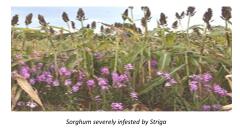
8. Integrated Striga and Soil Fertility Management: Strategies for managing Striga, a parasitic weed, and maintaining soil fertility are emphasized to maximize grain yields and resource use efficiency.
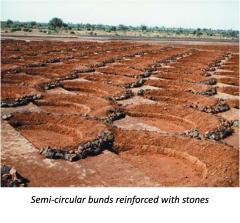
9. Water Conservation: Water conservation techniques are recommended to ensure efficient use of water resources during cultivation.
Last updated on Jul 2, 2026
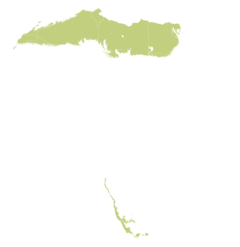
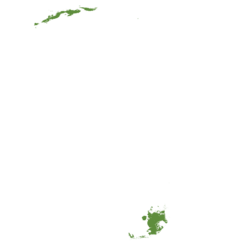
This technology can be used in the colored agro-ecological zones.






Millet and Sorghum Varieties for Better Nutrition and Stress Resistance
https://taat.africa/org/technologies/millet-and-sorghum-varieties-for-better-nutrition-and-stress-resistance
Last updated on 2 July 2026, printed on Aug 25, 2026
Enquiries e-catalogs@taat.africa