
TAAT e-catalog
for
Development partners
https://taat.africa/org/technologies/pre-emergence-herbicides-for-maize-crops
Unlocking Maize's Full Potential
"Pre-emergence herbicides for maize crops" is an innovative agricultural technology designed to improve weed management in maize cultivation across Sub-Saharan Africa. This technology enhances maize crop performance during its critical early growth stages by applying chemical agents to prevent weed seedlings from developing roots. By effectively reducing weed encroachment and competition for vital resources such as light, nutrients, and moisture, this technology accelerates the growth of maize crops and ultimately increases grain yields. It provides a cost-effective and sustainable solution to address the challenges associated with high weed infestation, labor-intensive weed removal, and reduced maize grain productivity in the region.

This technology is TAAT1 validated.
| Project | Countries | Beneficiaries | Budget (USD) & duration | Key figures |
|---|---|---|---|---|
|
ENSURE Enabling Environments for Sustainable Regional Agriculture Extension |
|
|
13.14 million 2024–2027 |
|
Figures in italic are from project plans and may change during implementation.
Adults 18 and over: Positive high
The poor: Positive medium
Under 18: Positive low
Women: Positive low
Climate adaptability: Highly adaptable
Farmer climate change readiness: Significant improvement
Carbon footprint: Same amount of carbon released
Environmental health: Greatly improves environmental health
Water use: A bit less water used
Biodiversity: Harms biodiversity
Pre-Emergence Herbicides improve weed management, increase maize productivity, and reduce labor burdens by controlling weeds during the early stages of crop development. The technology can be integrated into food security, maize development, sustainable crop management, mechanization, and climate resilience programs. Its adoption contributes to SDG 1 (No Poverty), SDG 2 (Zero Hunger), SDG 5 (Gender Equality), and SDG 8 (Decent Work and Economic Growth).
To integrate this technology into your project, plan and budget for the following activities and prerequisites:
Grain yield increase
Gross margin per hectare
Open source / open access
Scaling Readiness describes how complete a technology\’s development is and its ability to be scaled. It produces a score that measures a technology\’s readiness along two axes: the level of maturity of the idea itself, and the level to which the technology has been used so far.
Each axis goes from 0 to 9 where 9 is the “ready-to-scale” status. For each technology profile in the e-catalogs we have documented the scaling readiness status from evidence given by the technology providers. The e-catalogs only showcase technologies for which the scaling readiness score is at least 8 for maturity of the idea and 7 for the level of use.
The graph below represents visually the scaling readiness status for this technology, you can see the label of each level by hovering your mouse cursor on the number.
Read more about scaling readiness ›
Semi-controlled environment: prototype
Common use by projects NOT connected to technology provider
| Maturity of the idea | Level of use | |||||||||
| 9 | ||||||||||
| 8 | ||||||||||
| 7 | ||||||||||
| 6 | ||||||||||
| 5 | ||||||||||
| 4 | ||||||||||
| 3 | ||||||||||
| 2 | ||||||||||
| 1 | ||||||||||
| 1 | 2 | 3 | 4 | 5 | 6 | 7 | 8 | 9 | ||
| Project | Countries | Beneficiaries | Budget (USD) & duration | Key figures |
|---|---|---|---|---|
|
ENSURE Enabling Environments for Sustainable Regional Agriculture Extension |
|
|
13.14 million 2024–2027 |
|
Figures in italic are from project plans and may change during implementation.
| Country | Testing ongoing | Tested | Adopted |
|---|---|---|---|
| Cameroon | –No ongoing testing | Tested | Adopted |
| Ethiopia | –No ongoing testing | Tested | Adopted |
| Ghana | –No ongoing testing | Tested | Adopted |
| Kenya | –No ongoing testing | Tested | Adopted |
| Malawi | –No ongoing testing | Tested | Adopted |
| Nigeria | –No ongoing testing | Tested | Adopted |
| Rwanda | –No ongoing testing | Tested | Adopted |
| South Africa | –No ongoing testing | Tested | Adopted |
| Tanzania | –No ongoing testing | Tested | Adopted |
| Uganda | –No ongoing testing | Tested | Adopted |
| Zambia | –No ongoing testing | Tested | Adopted |
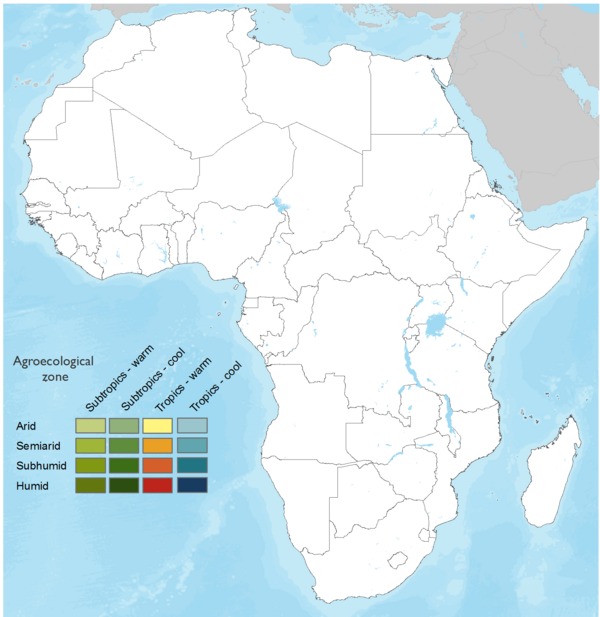
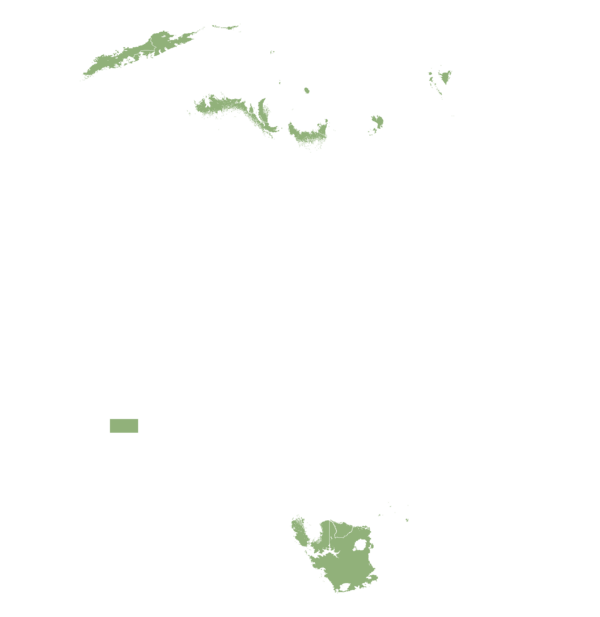
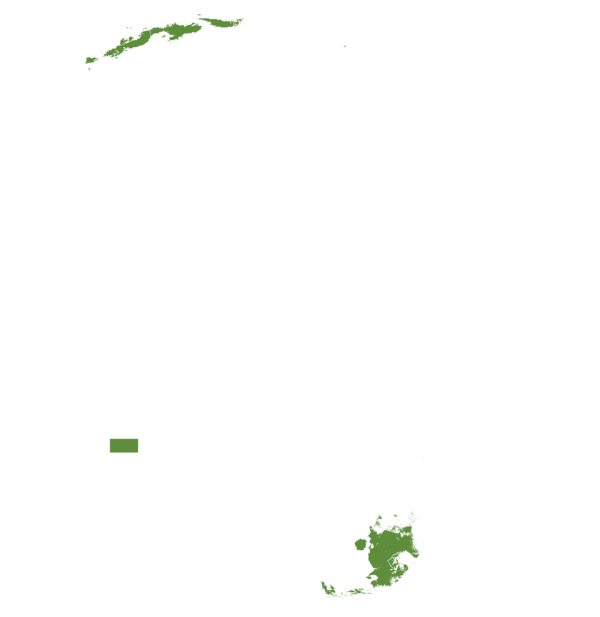
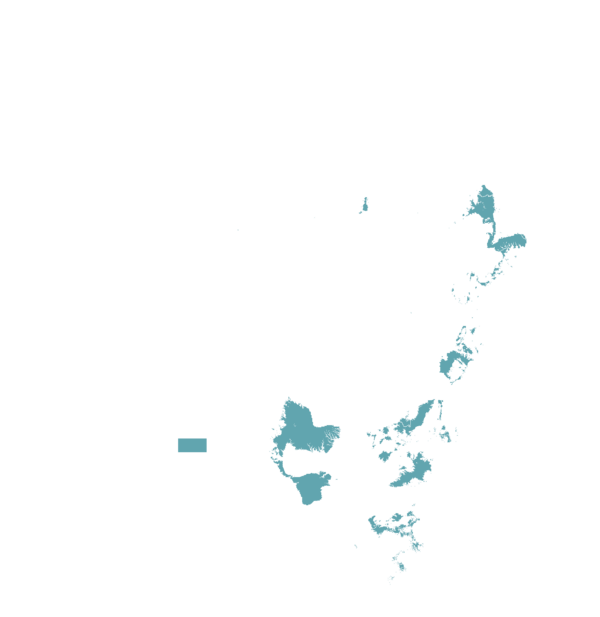
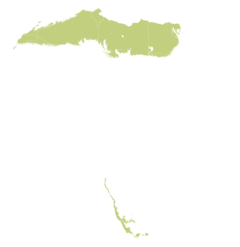
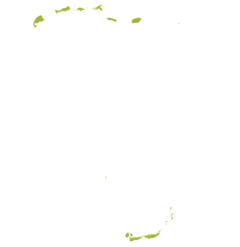
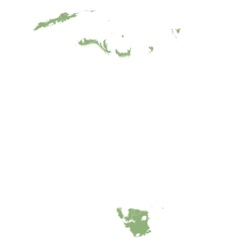
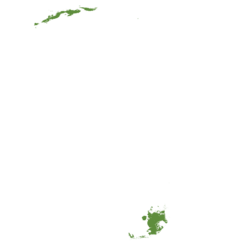
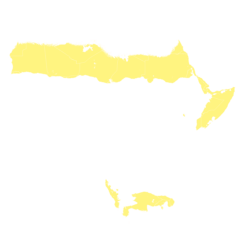
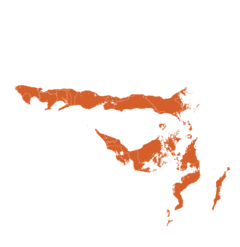
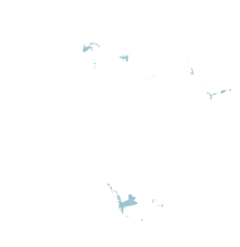
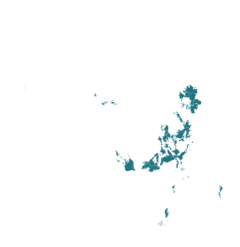
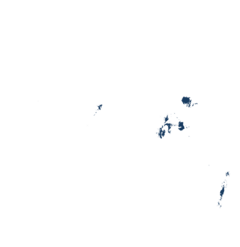
This technology can be used in the colored agro-ecological zones. Any zones shown in white are not suitable for this technology.









| AEZ | Subtropic - warm | Subtropic - cool | Tropic - warm | Tropic - cool |
|---|---|---|---|---|
| Arid | ||||
| Semiarid | ||||
| Subhumid | ||||
| Humid |
Source: HarvestChoice/IFPRI 2009
The United Nations Sustainable Development Goals that are applicable to this technology.


Last updated on Jul 2, 2026
This technology can be used in the colored agro-ecological zones.









Pre-emergence herbicides for maize crops
https://taat.africa/org/technologies/pre-emergence-herbicides-for-maize-crops
Last updated on 2 July 2026, printed on Aug 25, 2026
Enquiries e-catalogs@taat.africa