
TAAT e-catalog
for
Development partners
https://taat.africa/org/technologies/riceadvice-lite-digital-advisory-for-rice
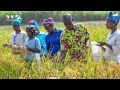
Empowering Rice Farmers with RiceAdvice Lite
RiceAdvice Lite, an Android or web-based decision support tool developed by Excellence in Agronomy, offers personalized recommendations tailored to specific fields. These recommendations encompass optimal sowing timing, fertilizer management strategies, and a range of other best agricultural practices suitable for both irrigated and rainfed lowland rice cultivation.

This technology is pre-validated.
| Project | Countries | Beneficiaries | Budget (USD) & duration | Key figures |
|---|---|---|---|---|
|
2PAU Emergency Food Production Programme |
|
|
161.96 million 2022–2023 |
|
|
ERAVCDP Eastern Region Agricultural Value Chain Development Project |
|
|
211.4 million 2026–2031 |
|
|
P2-RSP2 Project 2 of the Food and Nutrition Insecurity Resilience Programme in the Sahel (P2-RSP2) – Gambia Component |
|
|
306.97 million 2025–2028 |
|
|
PADCV-PTA Projet d’Appui au Developpement des Chaines de Valeurs en soutien au Programme de Transformation de l’Agriculture |
|
|
321 million 2024–2029 |
|
|
PURPA Projet d’Urgence pour le Renforcement de la Production Agricole |
|
|
38.87 million 2022–2024 |
|
Figures in italic are from project plans and may change during implementation.
Adults 18 and over: Positive high
The poor: Positive low
Women: Positive low
Farmer climate change readiness: Significant improvement
Rice-Fish Culture is an integrated farming system that combines rice cultivation with fish production to improve food and nutrition security, diversify household incomes, and enhance the sustainable use of land and water resources. The technology helps increase rice productivity, fish production, and farm resilience while reducing reliance on agrochemicals. It can be integrated into programs focused on rice production, aquaculture development, food security, climate-smart agriculture, and rural livelihoods. Its adoption contributes to SDGs 1 (No Poverty), 2 (Zero Hunger), 3 (Good Health and Well-being), 8 (Decent Work and Economic Growth), and 13 (Climate Action).
To integrate this technology into your project, plan and budget for the following activities and prerequisites:
Unknown
Scaling Readiness describes how complete a technology's development is and its ability to be scaled. It produces a score that measures a technology's readiness along two axes: the level of maturity of the idea itself, and the level to which the technology has been used so far.
Each axis goes from 0 to 9 where 9 is the “ready-to-scale” status. For each technology profile in the e-catalogs we have documented the scaling readiness status from evidence given by the technology providers. The e-catalogs only showcase technologies for which the scaling readiness score is at least 8 for maturity of the idea and 7 for the level of use.
The graph below represents visually the scaling readiness status for this technology, you can see the label of each level by hovering your mouse cursor on the number.
Read more about scaling readiness ›
Uncontrolled environment: tested
Common use by projects NOT connected to technology provider
| Maturity of the idea | Level of use | |||||||||
| 9 | ||||||||||
| 8 | ||||||||||
| 7 | ||||||||||
| 6 | ||||||||||
| 5 | ||||||||||
| 4 | ||||||||||
| 3 | ||||||||||
| 2 | ||||||||||
| 1 | ||||||||||
| 1 | 2 | 3 | 4 | 5 | 6 | 7 | 8 | 9 | ||
| Project | Countries | Beneficiaries | Budget (USD) & duration | Key figures |
|---|---|---|---|---|
|
2PAU Emergency Food Production Programme |
|
|
161.96 million 2022–2023 |
|
|
ERAVCDP Eastern Region Agricultural Value Chain Development Project |
|
|
211.4 million 2026–2031 |
|
|
P2-RSP2 Project 2 of the Food and Nutrition Insecurity Resilience Programme in the Sahel (P2-RSP2) – Gambia Component |
|
|
306.97 million 2025–2028 |
|
|
PADCV-PTA Projet d’Appui au Developpement des Chaines de Valeurs en soutien au Programme de Transformation de l’Agriculture |
|
|
321 million 2024–2029 |
|
|
PURPA Projet d’Urgence pour le Renforcement de la Production Agricole |
|
|
38.87 million 2022–2024 |
|
Figures in italic are from project plans and may change during implementation.
| Country | Testing ongoing | Tested | Adopted |
|---|---|---|---|
| Burkina Faso | –No ongoing testing | Tested | Adopted |
| Côte d’Ivoire | –No ongoing testing | Tested | Adopted |
| Ghana | –No ongoing testing | Tested | Adopted |
| Mali | –No ongoing testing | Tested | Adopted |
| Sierra Leone | –No ongoing testing | Tested | Adopted |
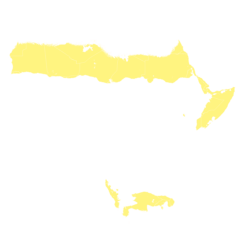
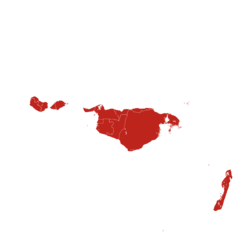
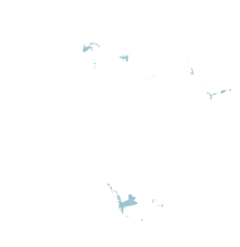
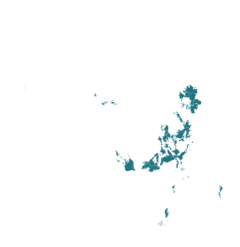
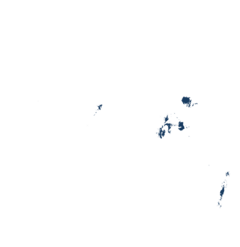
This technology can be used in the colored agro-ecological zones. Any zones shown in white are not suitable for this technology.
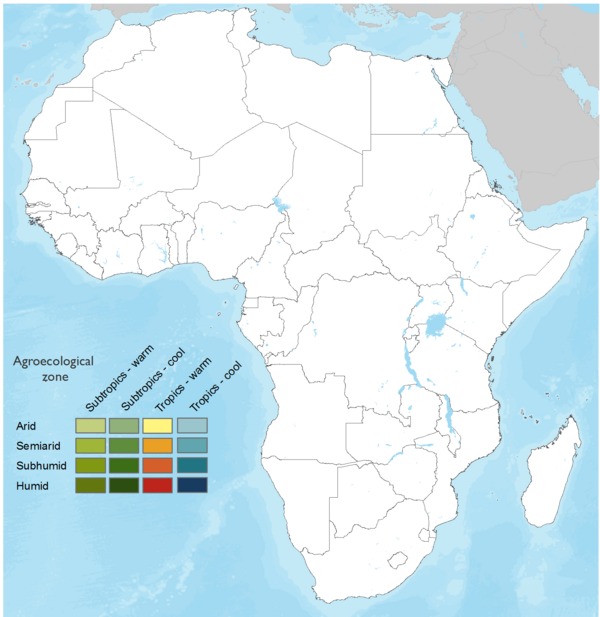



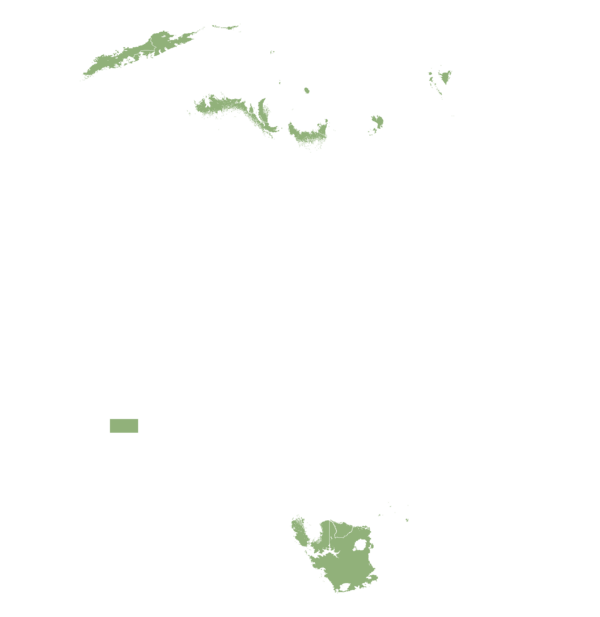




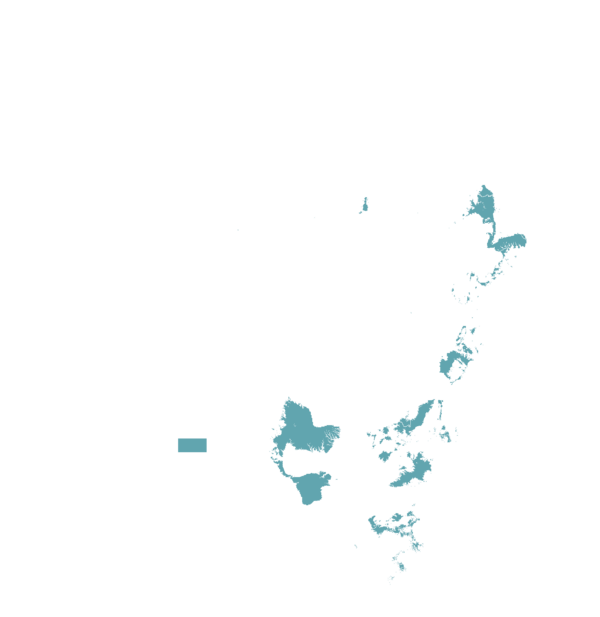


| AEZ | Subtropic - warm | Subtropic - cool | Tropic - warm | Tropic - cool |
|---|---|---|---|---|
| Arid | ||||
| Semiarid | ||||
| Subhumid | ||||
| Humid |
Source: HarvestChoice/IFPRI 2009
The United Nations Sustainable Development Goals that are applicable to this technology.
RiceAdvice Lite can be used by following the procedures below:
Step 1: Download RiceAdvice Lite, Android App from Google Play (https://play.google.com/store/apps/details?id=com.cocapacity.riceadvicelite) on your smartphone or tablet. You can also use Web App (https://lite.riceadvice.info/seekadvice).
Step 2: Install RiceAdvice Lite on your smartphone or tablet.
Step 3: Following discussion between the extension agent or service and farmer, fill in the farmer’s personal farming conditions: Rice-growing conditions, typical practices, fertilizer type,
Step 4: Select yield targets based on the available budget or desired production level.
Step 5: Get personalized recommendations, including a optimal planting window and fertilizer application timing and rates, and other good agricultural practices.
Last updated on Sep 10, 2026
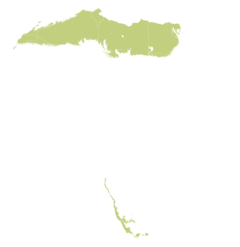
This technology can be used in the colored agro-ecological zones.












RiceAdvice Lite: Digital Advisory for Rice
https://taat.africa/org/technologies/riceadvice-lite-digital-advisory-for-rice
Last updated on 10 September 2026, printed on Oct 8, 2026
Enquiries e-catalogs@taat.africa