Logo
TAAT e-catalog for Development partners
https://taat.africa/org/technologies/sah-cassava-semi-autotrophic-hydroponics-for-cassava-multiplication
Request information View pitch brochure

SAH cassava: Semi Autotrophic Hydroponics for Cassava Multiplication

Video image with play icon

A rapid quality seed delivery technology for cassava

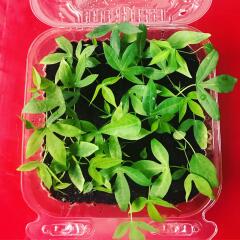
Semi Autotrophic Hydroponics (SAH) for Cassava Multiplication is an innovative technology tailored for cassava propagation. Unlike traditional methods, SAH utilizes controlled environments with modified soil, plant roots, and limited water in trays. This fosters robust root growth while mitigating moisture-related diseases. The technique is cost-effective and adaptable, particularly for dispersed farming communities. SAH yields high-quality, disease-resistant cassava plantlets at a fraction of the production costs of tissue culture. This advancement not only expedites access to new cassava varieties but also bolsters overall productivity and resilience in cassava farming practices.
3

This technology is TAAT1 validated.

9•9

Scaling readiness: idea maturity 9/9; level of use 9/9

Adults 18 and over: Positive high

The poor: Positive medium

Under 18: Positive medium

Women: Positive medium

Climate adaptability: Highly adaptable

Farmer climate change readiness: Significant improvement

Biodiversity: No impact on biodiversity

Carbon footprint: Same amount of carbon released

Environmental health: Moderately improves environmental health

Soil quality: Does not affect soil health and fertility

Water use: Same amount of water used

Problem

  • Slow Propagation of Improved Varieties: Traditional methods are time-consuming and limit the distribution of new cassava varieties.
  • Contamination Risks: Conventional propagation methods are prone to pests and diseases, hindering the quality of cassava planting material. SAH provides a controlled environment to mitigate these risks.
  • Limited Multiplication Ratios: Methods like seed and tissue culture have low multiplication ratios, resulting in few new planting materials from one seed.
  • Pathogen Susceptibility: Planting materials obtained from stem cuttings may be more susceptible to pests and diseases when planted in open fields.
  • Inefficiency in Scaling Production: Traditional methods may not be conducive to efficiently producing large quantities of cassava planting materials for wide-scale distribution.

Solution

  • Fast Propagation of Improved Varieties: SAH enables rapid access to new and improved cassava varieties by providing a controlled environment that accelerates the multiplication process.
  • Contamination Prevention: SAH minimizes the risk of contamination with pests and diseases by creating a controlled environment that promotes healthy root growth and discourages disease-causing factors.
  • Increased Multiplication Ratios: SAH significantly improves multiplication ratios compared to methods like seed and tissue culture, resulting in a higher number of new planting materials from one source.
  • Enhanced Disease Resistance: Planting materials produced through SAH are more resilient and less susceptible to pests and diseases when planted in open fields, compared to those obtained from stem cuttings.
  • Efficient Scaling of Production: SAH provides a cost-effective and adaptable solution for dispersed farming communities, making it feasible to efficiently produce large quantities of cassava planting materials for widespread distribution. This addresses the inefficiency in traditional production methods.

Key points to design your program

In the near future, this section will provide an overview of this technology's success in various contexts, details on partners offering technical support, training, and implementation monitoring, along with other valuable insights for your projects and programs. These details will be added progressively.

In the meantime, use the 'Request information' button if you need to contact us.

0.05 USD

operating cost per plant

0.05 - 1 USD

Production cost

116 %

ROI over 3 year

IP

Unknown

Scaling Readiness describes how complete a technology’s development is and its ability to be scaled. It produces a score that measures a technology’s readiness along two axes: the level of maturity of the idea itself, and the level to which the technology has been used so far.

Each axis goes from 0 to 9 where 9 is the “ready-to-scale” status. For each technology profile in the e-catalogs we have documented the scaling readiness status from evidence given by the technology providers. The e-catalogs only showcase technologies for which the scaling readiness score is at least 8 for maturity of the idea and 7 for the level of use.

The graph below represents visually the scaling readiness status for this technology, you can see the label of each level by hovering your mouse cursor on the number.

Read more about scaling readiness ›

Scaling readiness score of this technology

Maturity of the idea 9 out of 9

Uncontrolled environment: validated

Level of use 9 out of 9

Common use by intended users, in the real world

Maturity of the idea Level of use
9
8
7
6
5
4
3
2
1
1 2 3 4 5 6 7 8 9

Enabling Environments for Sustainable Regional Agriculture Extension (ENSURE)

  • Project funder: African Development Bank & East Africa Community
  • Planned Budget: USD 13.14 million
  • Location: East African Community (Burundi, DRC, Kenya, Rwanda, South Sudan, Tanzania, Uganda)
  • Planned duration: 2024–2027
  • Deployment means: On-farm demonstrations, training, digital tools (SMS, IVR, video, radio, pictorial guides), bundled inputs + advisory services, Training of Trainers (ToT)
  • Project main implementer: East African Community (EAC)
  • Project Description: Strengthen agricultural extension systems using digital tools, private-sector approaches, regional coordination, and multi-commodity focus (maize, cassava, rice, drought-resilient crops).
  • Objective: Promote regional extension, enhance advisory services, scale climate-smart technologies, build sustainable private sector–led extension systems, strengthen policy and regulatory frameworks.
  • Expected outcome: Increased adoption of improved technologies, improved farmer productivity and profitability, enhanced access to quality inputs and pest management solutions, strengthened resilience to climate and pest risks, regional market integration, job creation for youth and agripreneurs.
  • Figures of adoption: Target 3 million farmers reached over 4 years, digital extension pilots in 7 EAC states, training of extension agents, lead farmers, cooperatives, and youth agripreneurs, rollout of Pest Information Management Systems (PIMS).
  • Profiles of adopters: Smallholder farmers, women, youth agripreneurs, cooperatives and producer organizations, public and private extension agents, National Plant Protection Officers (NPPOs).
  • Lessons learnt: System-level approaches needed beyond technology delivery, digital tools most effective with in-person facilitation, supportive policy/regulatory environment critical, regional harmonization boosts scalability and cross-border diffusion of technologies. 


Projet d’Appui au Développement des Chaînes de Valeurs en soutien au Programme de Transformation de l’Agriculture (PADCV-PTA)

  • Project funder: African Development Bank
  • Planned Budget: USD 311.609 million
  • Location: 6 provinces in Congo (Kongo Central, Kwango, Maï-Ndombe, Kasaï Oriental, Lomami, Sud-Kivu)
  • Planned duration: 2024–2029
  • Deployment means: Direct access to improved seeds and planting materials, seed system strengthening (INERA, SENASEM, multipliers), Farmer Field Schools and demonstration plots (1,600 sites), strengthened public extension (SNV), training/capacity building, subsidized or cost-shared inputs and equipment, irrigation infrastructure (5,200 ha), rural road rehabilitation (600 km), contract farming and private sector partnerships
  • Project main implementer: Social Fund of the Democratic Republic of the Congo
  • Project Description: Implements the National Pact for Food and Agriculture (PNAA) using an integrated value chain approach combining technology access (seeds, practices), infrastructure development (irrigation, roads), extension services, farmer organization, finance, and market access to boost productivity, reduce imports, strengthen resilience, and structure agricultural value chains.
  • Objective: Restore national seed capital, scale improved and climate-resilient technologies, increase productivity, facilitate access to inputs/advisory/markets/finance, promote climate-smart agriculture, strengthen farmer organizations and value chain governance, reduce food imports, and enhance resilience to climate shocks and conflict.
  • Expected outcome: ~80% crop yield increase (rice, cassava, maize, soybean), 1.68 million tons/year additional production, expansion of irrigated rice, improved access to seeds/inputs, stronger farmer organizations, better post-harvest handling and market integration, increased private sector engagement, reduced food imports, improved national food security.
  • Figures of adoption: 900,000 farming households directly supported, ~295,000 ha cultivated with improved seeds, 5,200 ha irrigated rice, 600 km rural roads rehabilitated, 1,600 FFS/demonstration plots, 2 million households indirectly benefiting, +4.1 million tons private sector processing, ~1.68 million tons annual production increase
  • Profiles of adopters: Smallholder farmers, women farmers (100% of women-headed households in target areas), youth/agripreneurs, internally displaced persons (IDPs) in South Kivu, seed producers, cooperatives, farmer organizations/inter-professional associations, public extension services, local authorities
  • Lessons learnt: Infrastructure (irrigation, roads) and market access are critical for adoption, seed system reform is a bottleneck, contract farming/aggregation incentivizes adoption, combining inputs + extension + finance accelerates impact, governance and institutional coordination are key for scaling and sustainability


Emergency Food Security Support Project (AEFPF - PAUSA)

  • Project funder: African Development Bank (AfDB) – TSF Pillar 1 Grant
  • Planned Budget: UA 5 million (~XOF 4.3 billion)
  • Location: All 8 regions of Guinea-Bissau and the autonomous sector of Bissau
  • Planned duration: December 2022 – June 2024
  • Deployment means: TAAT technical assistance, procurement and free distribution of certified seeds, installation of HQCF and SAH units, training for technicians, farmers, and bakers
  • Project main implementer: Ministry of Agriculture and Rural Development (MADR), coordinated by World Food Programme (WFP)
  • Project Description: Provides climate-resilient seeds (cereals, tubers, vegetables) and fertilizers, establishes High-Quality Cassava Flour (HQCF) and Semi-Autotrophic Hydroponics (SAH) units for rapid, disease-free cassava propagation
  • Objective: Increase national food and poultry production, reduce imports, and facilitate farmer access to certified climate-resilient inputs and good agricultural practices
  • Expected outcome: Significant yield increases (doubling rice; more than doubling cassava); additional production of 37,335 tonnes of food; 1,200,000 cassava plants/year propagation capacity
  • Figures of adoption: 46,635 vulnerable households provided with inputs; 32,096 ha of land sown; 364 kg of vegetable seeds distributed; 1 HQCF unit and 1 SAH unit established
  • Profiles of adopters: Vulnerable farming households; at least 50% women overall; 100% women in market gardening activities
  • Lessons learnt:
    • Success Factors: Leveraging TAAT expertise; SAH system is cost-effective and electricity-free; climate-smart varieties critical for resilience
    • Constraints: Climate shocks, need for proper technical guidance for specialized propagation systems


Emergency Food Production Project (Projet de Production Alimentaire d’Urgence - PPAU)

  • Project funder: African Development Fund (ADF) (Loan and Grant) and the Government of Guinea
  • Planned Budget: 19.39 million UC (~USD 25.23 million)
  • Location: Republic of Guinea – national coverage
  • Planned duration: Nov 2022 – June 2024 (Completion) / Dec 2024 (Closing)
  • Deployment means: Distribution of certified seeds and fertilizers (30% government subsidy), GAP training, digital platforms (e-Voucher/e-Extension), TAAT technical assistance
  • Project main implementer: Ministry of Agriculture and Livestock (MAL) via Project Management Unit (UGP) of PATAG-EAJ
  • Project Description: Emergency operation to mitigate rising input/food prices and boost production of rice, maize, and tubers
  • Objective: Improve food and nutritional security; increase agricultural production and productivity in intervention zones
  • Expected outcome: Additional production of 71,429 tons rice, 57,000 tons maize, 12,000 tons cassava; significant yield increases across crops
  • Figures of adoption: 35,750 direct farmers; 2,000 tons rice seeds, 750 tons maize seeds, 20,000 cassava cuttings distributed; 63,286 ha additional sown area
  • Profiles of adopters: Smallholder farmers (≥10,750 women – 30%), 1,650 livestock farms, youth entrepreneurs; targeting vulnerable populations
  • Lessons learnt:
    • Constraints: High international input prices, climate vulnerability
    • Success factors: Strong existing UGP (PATAG-EAJ), e-Voucher digitalization for transparency, TAAT technical support for rapid multiplication technologies (SAH)

Emergency Food Production Programme in Côte d’Ivoire (2PAU-CI/AEFPF-CI)

  • Project funder: African Development Bank (AfDB), Japan International Cooperation Agency (JICA), Government of Ivory Coast
  • Planned Budget: USD 163.3 million (AfDB loan) and USD 73 million (JICA loan)
  • Location: Ivory Coast – flood-sensitive areas and major agro-ecological zones (semi-arid to sub-humid)
  • Planned duration: Aug 2022 – Dec 2023
  • Deployment means: Distribution of certified seeds and fertilizers, Master Trainer/farmer training, demonstration plots, digital platforms (E-Voucher, ICT tools)
  • Project main implementer: Ministry of State, Ministry of Agriculture and Rural Development (MEMINADER)
  • Project Description: Emergency response to the global food crisis, providing smallholders with high-quality inputs and advisory services to ensure food sovereignty
  • Objective: Reduce cereal imports, boost domestic rice, maize, and cassava production, increase agricultural resilience to climate shocks
  • Expected outcome: 30% increase in food production; targeted yield increases (Rice: 4.5–9 t/ha; Maize: 2.5–6 t/ha)
  • Figures of adoption: 2,279 tons maize seeds, 3,539 tons rice seeds, 134.4 million cassava cuttings, covering 246,870 hectares
  • Profiles of adopters: 800,000 smallholder farmers; minimum 30% women; inclusion of youth and vulnerable groups
  • Lessons learnt: High fertilizer prices and climate risks constrain adoption; weak seed policy frameworks are a bottleneck; success relies on TAAT technologies and strong institutional partnerships (CNRA, ANADER)

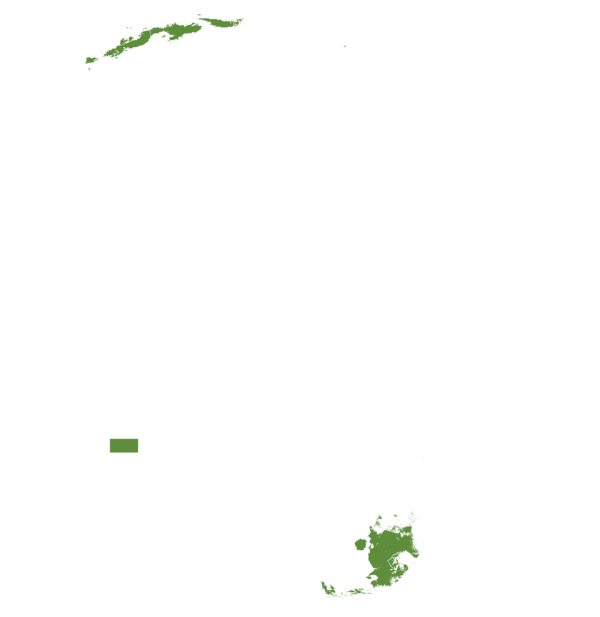
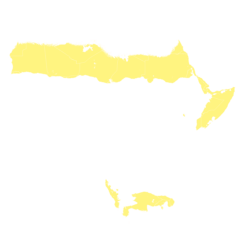
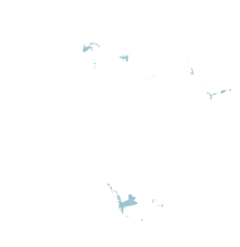
Countries with a green colour
Tested & adopted
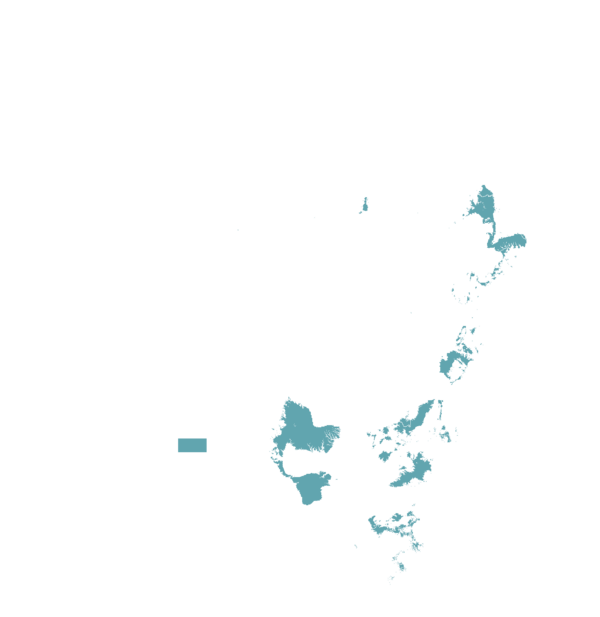
Countries with a bright green colour
Adopted
Countries with a yellow colour
Tested
Countries with a blue colour
Testing ongoing
Egypt Equatorial Guinea Ethiopia Algeria Angola Benin Botswana Burundi Burkina Faso Democratic Republic of the Congo Djibouti Côte d’Ivoire Eritrea Gabon Gambia Ghana Guinea Guinea-Bissau Cameroon Kenya Libya Liberia Madagascar Mali Malawi Morocco Mauritania Mozambique Namibia Niger Nigeria Republic of the Congo Rwanda Zambia Senegal Sierra Leone Zimbabwe Somalia South Sudan Sudan South Africa Eswatini Tanzania Togo Tunisia Chad Uganda Western Sahara Central African Republic Lesotho
Countries where the technology is being tested or has been tested and adopted
Country Testing ongoing Tested Adopted
Democratic Republic of the Congo No ongoing testing Not tested Adopted
Nigeria No ongoing testing Tested Adopted
Sierra Leone No ongoing testing Not tested Adopted
Tanzania No ongoing testing Not tested Adopted
Togo No ongoing testing Not tested Adopted
Zambia No ongoing testing Not tested Adopted

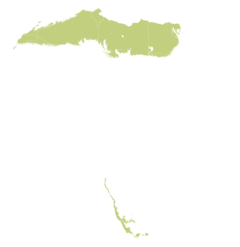
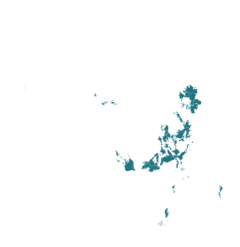
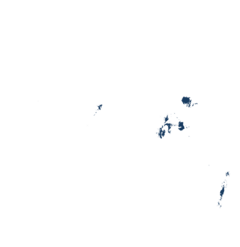
This technology can be used in the colored agro-ecological zones. Any zones shown in white are not suitable for this technology.
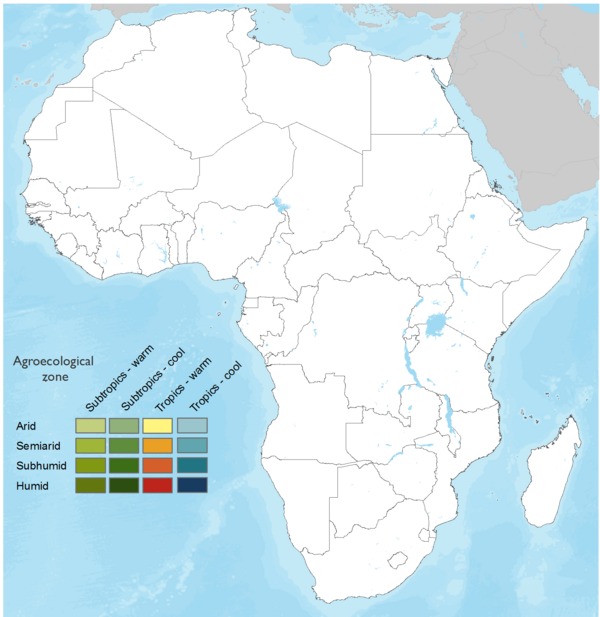
Agro-ecological zones where this technology can be used
AEZ Subtropic - warm Subtropic - cool Tropic - warm Tropic - cool
Arid
Semiarid
Subhumid
Humid

Source: HarvestChoice/IFPRI 2009

The United Nations Sustainable Development Goals that are applicable to this technology.
Sustainable Development Goal 1: no poverty
Goal 1: no poverty
Sustainable Development Goal 2: zero hunger
Goal 2: zero hunger
Sustainable Development Goal 3: good health and well-being
Goal 3: good health and well-being

Tissue Culture Production: Begin by producing tissue-cultured (in vitro) cassava plantlets under semi-hydroponic and semi-controlled environmental conditions.

Mother Plant Preparation: Cut the tissue-cultured plantlets into mother plants. These mother plants will serve as the source for further propagation.

 Tray Setup: Place the mother plants into trays with modified soil. Ensure that the trays are adequately spaced to allow for proper growth.

Growth Chamber Placement: Transfer the trays with the mother plants into a growth chamber. This chamber provides a controlled environment that is conducive for root development.

Recutting: After 2-3 weeks, recut the mother plants to obtain two plantlets from one. This step effectively multiplies the number of available plantlets.

Root Development: Return the recut plantlets to the growth chamber for an additional 6-8 weeks. During this period, the plantlets will develop well-formed roots.

Transportation: Trays can be transported in perforated cardboard boxes for up to 48 hours. This allows for convenient transportation to the planting site.

Planting: Plant the developed cassava plantlets directly in open fields or in screen houses for further breeding or production.

Last updated on 10 April 2026