TAAT e-catalog
for
government
https://taat.africa/gov/technologies/cassava-varieties-with-high-dry-matter-and-starch-content
Enhancing cassava yields and quality for greater food security in Africa.
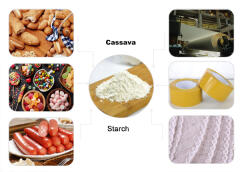
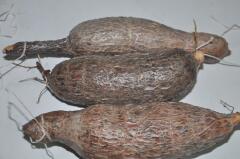
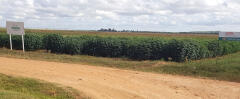
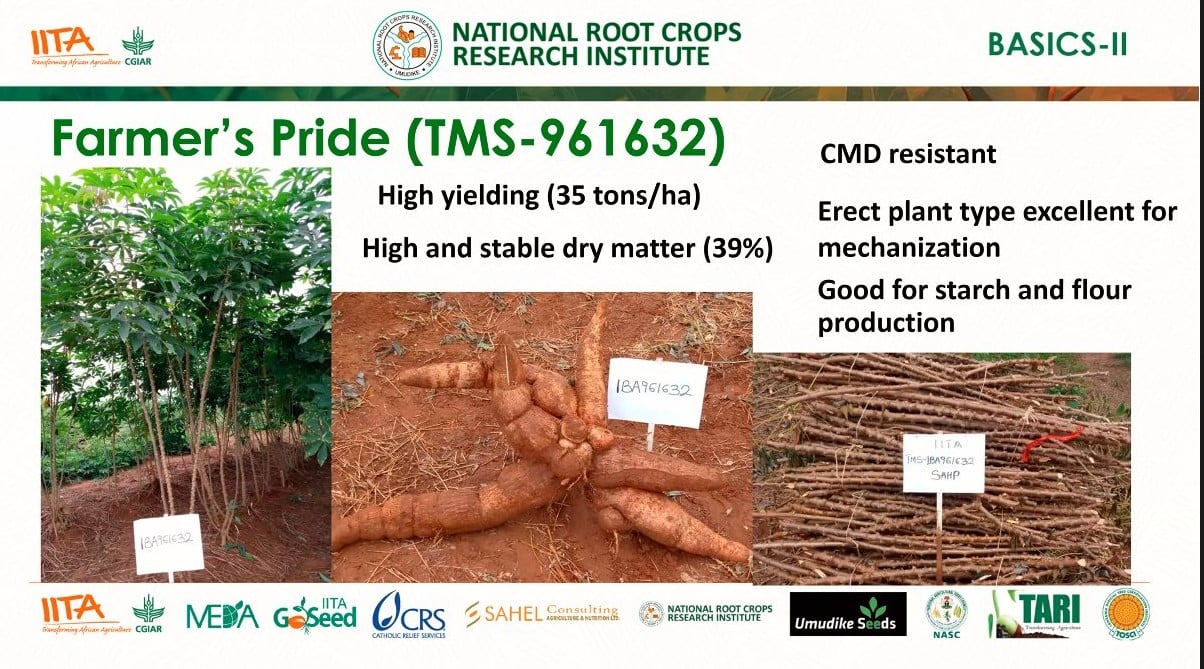
Cassava varieties with higher dry matter and starch content in their roots, significantly impacting their value for farmers. This addresses the limited availability of suitable varieties in Sub-Saharan Africa, leading to better economic yields and increased food security. Through selective breeding and resistance to pests and diseases, we've created cassava with 40% to 45% dry matter and 80% to 95% starch. These improved roots can be used fresh or processed into high-quality flour or starch, serving as crucial ingredients in various industries. This technology not only benefits small-scale farmers but also provides a cost-effective source of essential ingredients for commercial agri-businesses.
This technology is TAAT1 validated.
Adults 18 and over: Positive high
The poor: Positive medium
Under 18: Positive low
Women: Positive high
Climate adaptability: Highly adaptable
Farmer climate change readiness: Significant improvement
Biodiversity: No impact on biodiversity
Soil quality: Does not affect soil health and fertility
Water use: Same amount of water used
The cassava varieties with high dry matter and starch content technology contribute significantly to various aspects of sustainable development. By enhancing the economic empowerment of women through increased household income and resource access, promoting their roles in agriculture this technology addresses critical farmers challenges.
To integrate this cassava technology into your project, consider the following activities and prerequisites:
Estimate the quantity of cassava roots required for your project, considering a technology cost per unit.
As the technology is available in Benin, Ivory Coast and Nigeria, include the delivery cost to the project site, accounting for potential import clearance and duties. Consider a team of trainers for training and support during project installation, including costs for training and post-training support.
Develop communication support for the technology, such as flyers, videos, and radio broadcasts, to raise awareness.
For optimal results, associate this technology with Disease resistant cassava varieties, Golden cassava varieties, Integrated weed, pest and soil management system (GAP), Seed bulking for cassava multiplications.
To implement this technology in your country, explore collaborations with agricultural development institutes and seed multiplication companies for effective implementation.
Togo
|
Varieties |
Agro-ecology |
Stade of maturity |
Yield (t/ha) |
Starch content (%) |
Product Best for |
|
Gbazékouté |
All agro ecological zone |
12 months |
> 30 |
> 25 |
Foufou, gari and tapioca |
|
CRI-Sika Bankye |
All agro ecological zone |
12 months |
> 40 |
> 25 |
Gari, tapioca, starch, attiéké, |
|
CRI-Ampong Bankye |
All agro ecological zone |
12 months |
50 |
> 25 |
Gari, tapioca, bread flour high quality |
|
IITA_TMS_IBA011412 |
All agro ecological zone |
12 months |
30 |
> 25 |
Gari, bread-making and enriched flours |
|
Djomakplé |
All agro ecological zone |
12 to 15 months |
> 40 |
> 25 |
Gari and tapioca, |
|
IITA_TMS_IBA070539 |
All agro ecological zone |
- |
> 40 |
> 25 |
Gari, bread flours and enriched |
|
TMS 96_0379 |
All agro ecological zone |
- |
> 25 |
> 25 |
Gari, bread flours and enriched |
potential yield
dry mater content
starch content
Plant variety protection
Scaling Readiness describes how complete a technology\’s development is and its ability to be scaled. It produces a score that measures a technology\’s readiness along two axes: the level of maturity of the idea itself, and the level to which the technology has been used so far.
Each axis goes from 0 to 9 where 9 is the “ready-to-scale” status. For each technology profile in the e-catalogs we have documented the scaling readiness status from evidence given by the technology providers. The e-catalogs only showcase technologies for which the scaling readiness score is at least 8 for maturity of the idea and 7 for the level of use.
The graph below represents visually the scaling readiness status for this technology, you can see the label of each level by hovering your mouse cursor on the number.
Read more about scaling readiness ›
Uncontrolled environment: tested
Used by some intended users, in the real world
| Maturity of the idea | Level of use | |||||||||
| 9 | ||||||||||
| 8 | ||||||||||
| 7 | ||||||||||
| 6 | ||||||||||
| 5 | ||||||||||
| 4 | ||||||||||
| 3 | ||||||||||
| 2 | ||||||||||
| 1 | ||||||||||
| 1 | 2 | 3 | 4 | 5 | 6 | 7 | 8 | 9 | ||
| Project | Countries | Beneficiaries | Budget (USD) & duration | Key figures |
|---|---|---|---|---|
|
EFPP Guinea Emergency Food Production Programme |
|
|
25.23 million 2022–2024 |
|
|
ENSURE Enabling Environments for Sustainable Regional Agriculture Extension |
|
|
13.14 million 2024–2027 |
|
|
ERAVCDP Eastern Region Agricultural Value Chain Development Project |
|
|
211.4 million 2026–2031 |
|
|
IsDB Root and Tuber IsDB Root and Tuber Value Chains Development Project |
|
|
550.000 2021-2026 |
|
|
PADCV-PTA Projet d’Appui au Developpement des Chaines de Valeurs en soutien au Programme de Transformation de l’Agriculture |
|
|
321 million 2024–2029 |
|
Figures in italic are from project plans and may change during implementation.
| Country | Testing ongoing | Tested | Adopted |
|---|---|---|---|
| Benin | –No ongoing testing | Tested | Adopted |
| Côte d’Ivoire | –No ongoing testing | Tested | Adopted |
| Nigeria | –No ongoing testing | Tested | Adopted |
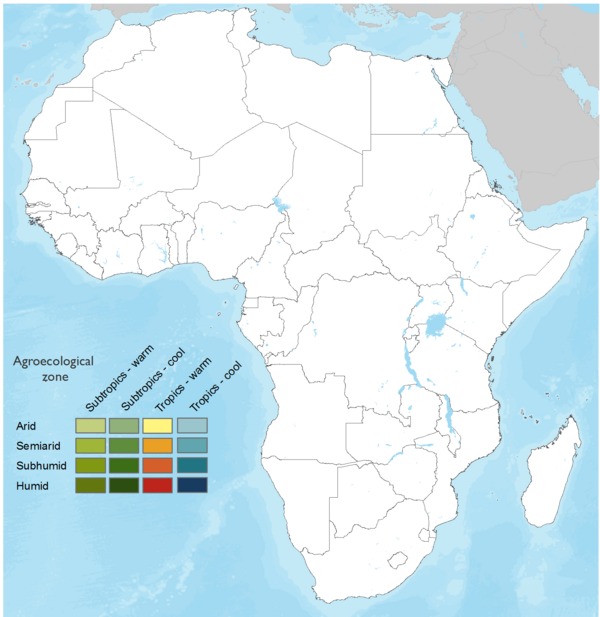
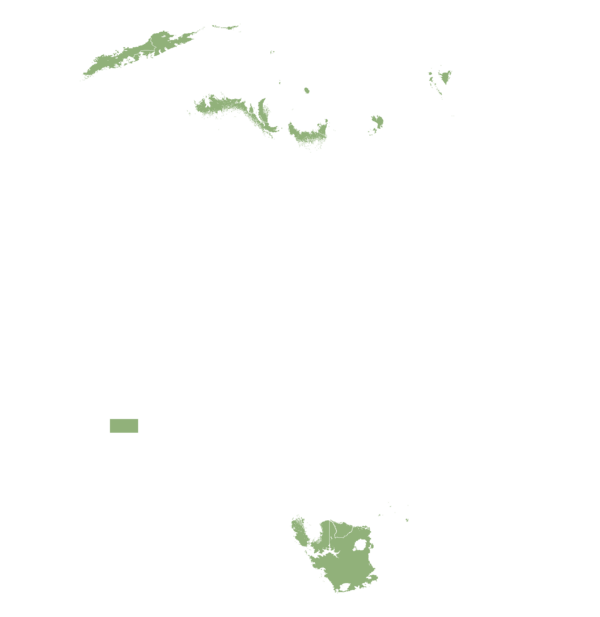
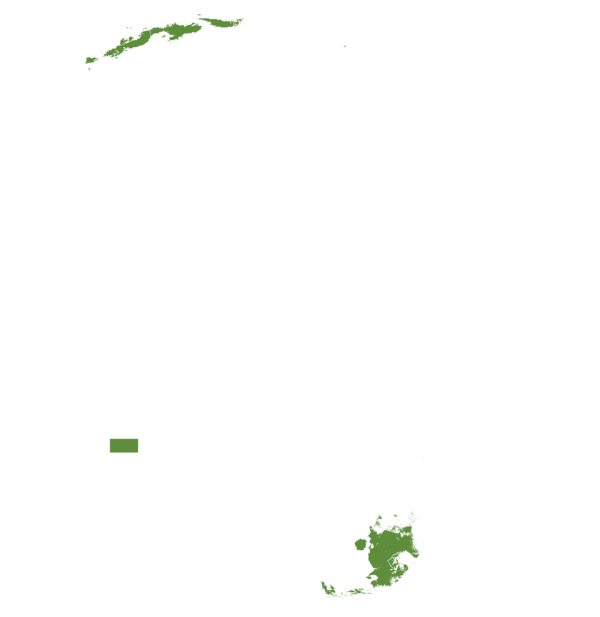
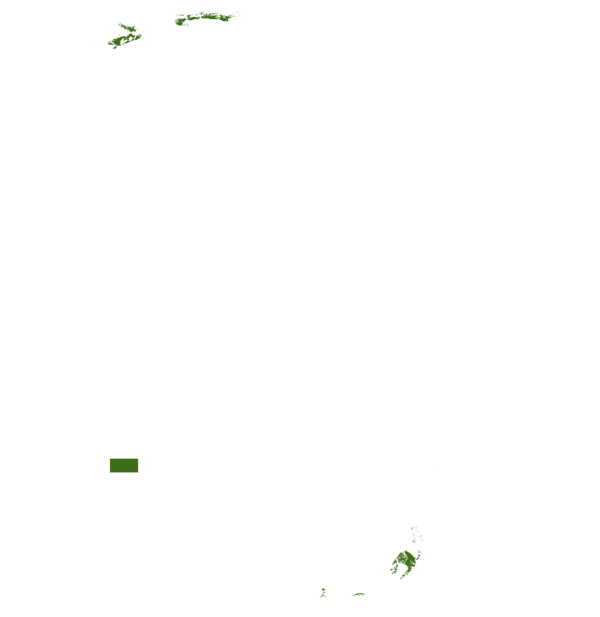
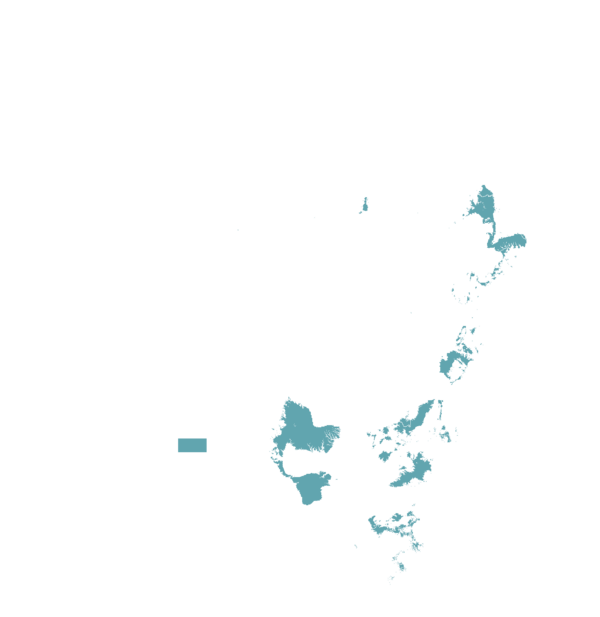
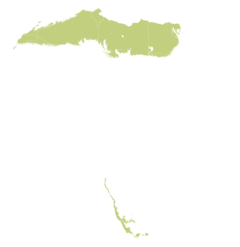
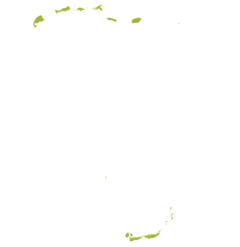
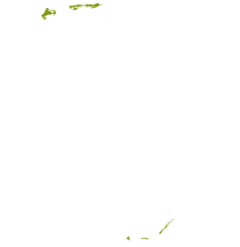
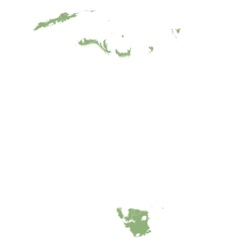
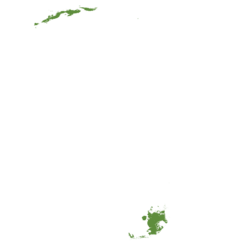
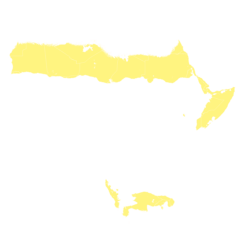
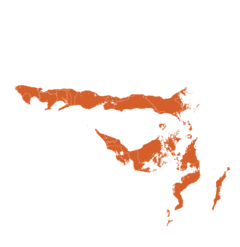
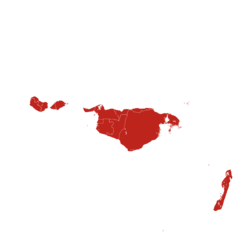
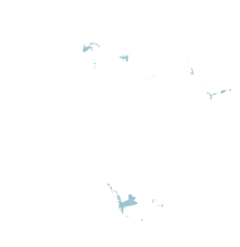
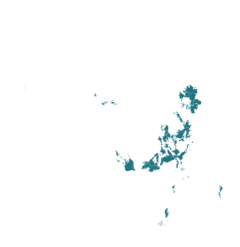
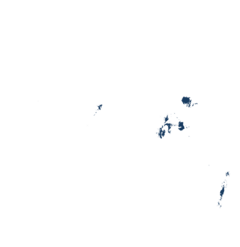
This technology can be used in the colored agro-ecological zones. Any zones shown in white are not suitable for this technology.








| AEZ | Subtropic - warm | Subtropic - cool | Tropic - warm | Tropic - cool |
|---|---|---|---|---|
| Arid | ||||
| Semiarid | ||||
| Subhumid | ||||
| Humid |
Source: HarvestChoice/IFPRI 2009
The United Nations Sustainable Development Goals that are applicable to this technology.

Variety Selection: Choose the enhanced cassava variety suitable for your specific conditions and context in the value chain.
Acquire Planting Material: Purchase high-quality planting material from reputable seed companies for initial planting.
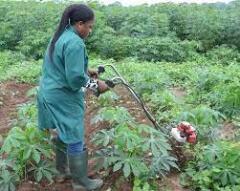
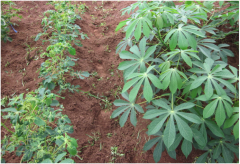
Planting and Cultivation: Use the acquired planting material to establish your cassava crop. Ensure the planting materials are free of disease symptoms when transferred to the field.
Planting Technique: Depending on rainfall conditions, plant cuttings horizontally in dry climates and vertically or angularly in humid areas with high precipitation. Cover them entirely with soil.
Soil and Fertilizer Management: Adhere to recommended soil and fertilizer management practices for your specific growing area and conditions to achieve high root yields.
Monitoring and Maintenance: Keep an eye on the cassava crop for signs of pests, diseases, and nutrient deficiencies. Address these issues promptly to maintain healthy growth.
Harvesting: Harvest the cassava roots once they have reached the desired maturity and size, typically around 8-12 months after planting.
Post-Harvest Handling: Handle the harvested roots with care to avoid damage. Store them in a cool, dry place to prevent spoilage.
Processing (Optional): If needed, process the roots into flour or starch for various applications in food, pharmaceuticals, packaging, or industrial products.
Seed Management (Optional): If you're interested in multiplying the improved varieties, follow recommended seed management practices for certification and compliance.
Market Linkages (Optional): Establish connections between seed suppliers, cassava growers, food processors, and consumer groups to create demand for cassava-based products.
Last updated on Apr 14, 2026
This technology can be used in the colored agro-ecological zones.







Cassava varieties with high dry matter and starch content
https://taat.africa/gov/technologies/cassava-varieties-with-high-dry-matter-and-starch-content
Last updated on 14 April 2026, printed on Aug 25, 2026
Enquiries e-catalogs@taat.africa