TAAT e-catalog
for
government
https://taat.africa/gov/technologies/hermetic-bags-for-safe-storage-of-wheat
Low-cost storage technologies for grain
Hermetic bags technology is a triple layer hermetic storage bag which has an outer woven polypropylene bag and two inner bags of high density polyethylene (HDPE). The inner bags have very low gas permeability and are water repellent. The outer bag has the strength to handle the weight of the grain it contains. Hermetic bags are tight bags that preserve the contents while restricting the existence of cereal pests by depleting oxygen supply levels and producing carbon dioxide.
This technology is TAAT1 validated.
Adults 18 and over: Positive high
The poor: Positive high
Under 18: Positive medium
Women: Positive high
Climate adaptability: Highly adaptable
Farmer climate change readiness: Significant improvement
Biodiversity: Positive impact on biodiversity
Carbon footprint: A bit less carbon released
Environmental health: Moderately improves environmental health
Soil quality: Does not affect soil health and fertility
Water use: Same amount of water used
In this section, you will soon find important information to assist you in incorporating this technology into your project. We will present how technology can impact gender, climate, and sustainable development goals. We will provide a list of activities to plan for your project, a toolkit for optimizing the technology, suggestions for key partners, and communication tools about the technology.
In the meantime, use the 'Request information' button if you need to contact us.
Unknown
Scaling Readiness describes how complete a technology\’s development is and its ability to be scaled. It produces a score that measures a technology\’s readiness along two axes: the level of maturity of the idea itself, and the level to which the technology has been used so far.
Each axis goes from 0 to 9 where 9 is the “ready-to-scale” status. For each technology profile in the e-catalogs we have documented the scaling readiness status from evidence given by the technology providers. The e-catalogs only showcase technologies for which the scaling readiness score is at least 8 for maturity of the idea and 7 for the level of use.
The graph below represents visually the scaling readiness status for this technology, you can see the label of each level by hovering your mouse cursor on the number.
Read more about scaling readiness ›
Uncontrolled environment: tested
Common use by projects NOT connected to technology provider
| Maturity of the idea | Level of use | |||||||||
| 9 | ||||||||||
| 8 | ||||||||||
| 7 | ||||||||||
| 6 | ||||||||||
| 5 | ||||||||||
| 4 | ||||||||||
| 3 | ||||||||||
| 2 | ||||||||||
| 1 | ||||||||||
| 1 | 2 | 3 | 4 | 5 | 6 | 7 | 8 | 9 | ||
| Project | Countries | Beneficiaries | Budget (USD) & duration | Key figures |
|---|---|---|---|---|
|
CREW Climate Resilient Wheat Value Chain Development Project |
|
|
94.30 million 2023–2028 |
|
|
ENSURE Enabling Environments for Sustainable Regional Agriculture Extension |
|
|
13.14 million 2024–2027 |
|
Figures in italic are from project plans and may change during implementation.
| Country | Testing ongoing | Tested | Adopted |
|---|---|---|---|
| Burkina Faso | –No ongoing testing | Tested | Adopted |
| Democratic Republic of the Congo | –No ongoing testing | Tested | Adopted |
| Ethiopia | –No ongoing testing | Tested | Adopted |
| Ghana | –No ongoing testing | Tested | Adopted |
| Kenya | –No ongoing testing | Tested | Adopted |
| Malawi | –No ongoing testing | Tested | Adopted |
| Mozambique | –No ongoing testing | Tested | Adopted |
| Niger | –No ongoing testing | Tested | Adopted |
| Nigeria | –No ongoing testing | Tested | Adopted |
| South Sudan | –No ongoing testing | Tested | Adopted |
| Sudan | –No ongoing testing | Tested | Adopted |
| Tanzania | –No ongoing testing | Tested | Adopted |
| Uganda | –No ongoing testing | Tested | Adopted |
| Zambia | –No ongoing testing | Tested | Adopted |
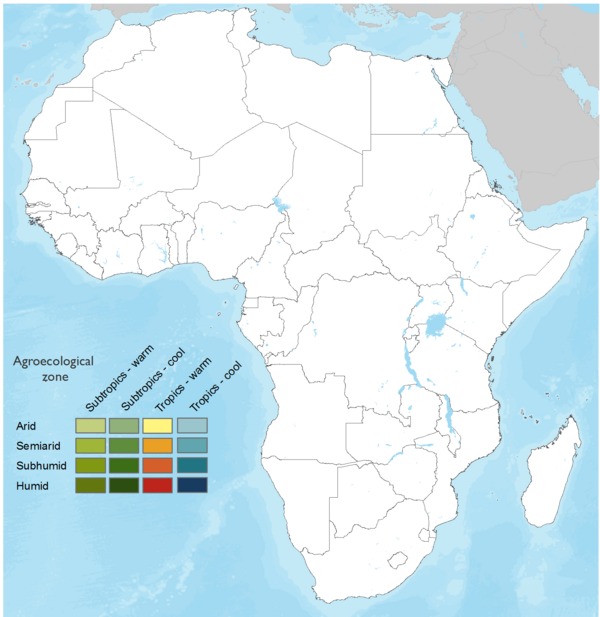
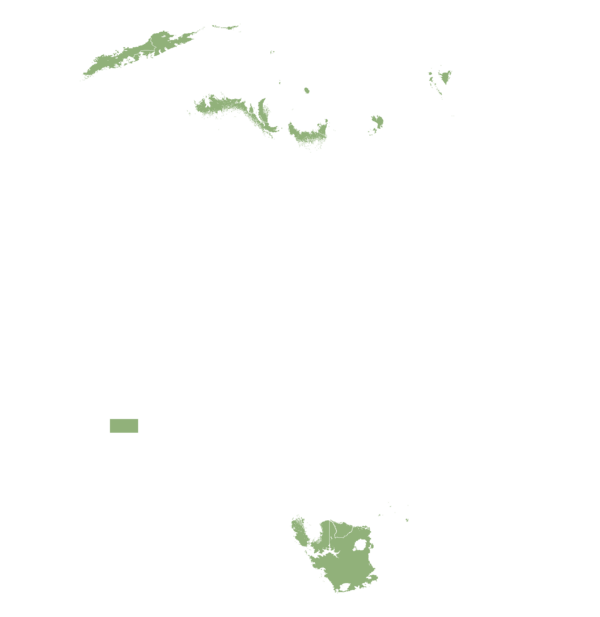
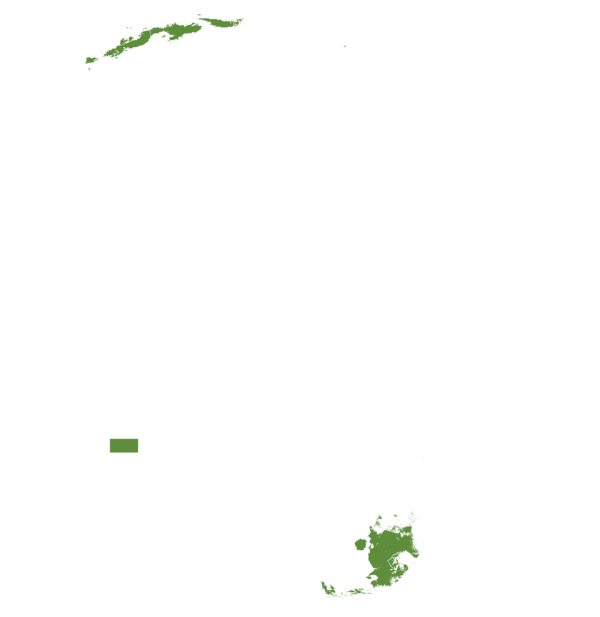
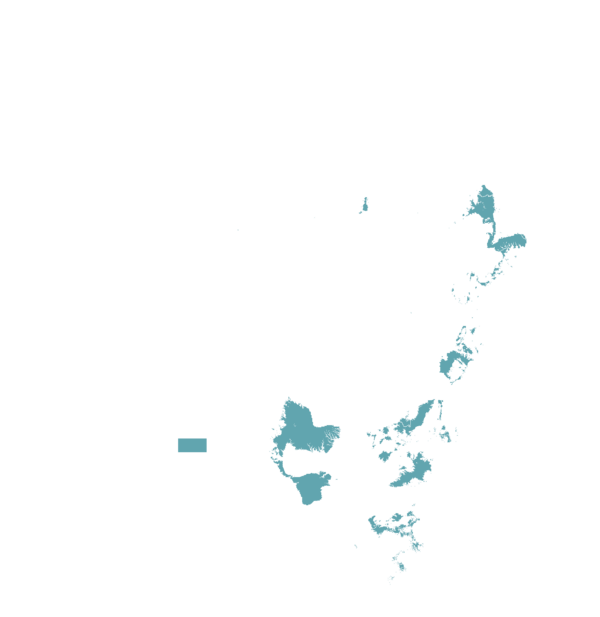
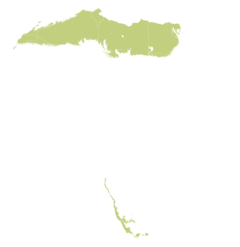
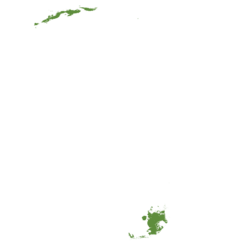
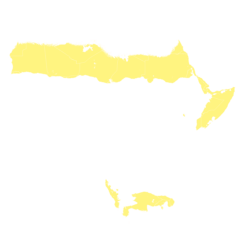
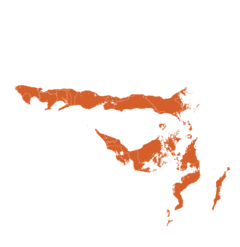
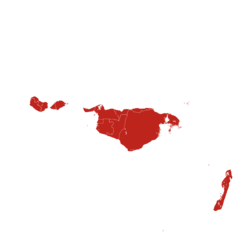
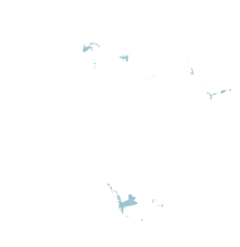
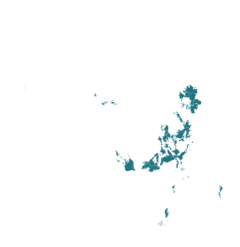
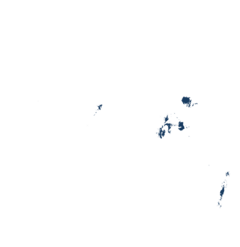
This technology can be used in the colored agro-ecological zones. Any zones shown in white are not suitable for this technology.









| AEZ | Subtropic - warm | Subtropic - cool | Tropic - warm | Tropic - cool |
|---|---|---|---|---|
| Arid | ||||
| Semiarid | ||||
| Subhumid | ||||
| Humid |
Source: HarvestChoice/IFPRI 2009
The United Nations Sustainable Development Goals that are applicable to this technology.
Grain Drying: Threshed grains are dried to an appropriate moisture level.
Initial Bagging: Place the dried grains into high-density polyethylene bags with a capacity of 50 kg or 100 kg. The first bag should be filled completely, leaving a 20-30 cm neck allowance, and tie it securely.
Secondary Bagging: The neck of the second bag, which surrounds the inner bag containing the grain, is also tied securely.
Tertiary Bagging: Place these two bags into a third woven nylon or polypropylene bag and tie it securely.
Sealing Process: The hermetic bagging process can be done entirely by hand or with automated fill and seal machines.
Storage: Using this method, wheat grain can be preserved for up to 2 years.
Rodent Control: It's essential to keep rats, mice, squirrels, and other rodents away from the stored bags as they can chew through the different layers, breaking the hermetic protective environment.https://www.youtube.com/watch?v=09DYuLJtgNs&list=PLwEB9ze7-lMloguZPrQxc6Xi027Mql4OW&t=85s
Last updated on Jul 3, 2026

This technology can be used in the colored agro-ecological zones.










Hermetic Bags for Safe Storage of Wheat
https://taat.africa/gov/technologies/hermetic-bags-for-safe-storage-of-wheat
Last updated on 3 July 2026, printed on Aug 25, 2026
Enquiries e-catalogs@taat.africa