Logo
TAAT e-catalog for government
https://taat.africa/gov/technologies/ir-maize-imazapyr-resistant-maize-for-striga-management
Request information View pitch brochure
44 technologies

IR maize: Imazapyr resistant maize for Striga management

Boost maize yields while eliminating the issue of Striga infestation

The "Imazapyr resistant maize for Striga management (IR maize)" technology is a maize variety that has been genetically modified to exhibit resistance to imazapyr, an herbicide effective in protecting maize crops from parasitic Striga weeds. These improved maize lines, known as IR maize, have been specifically designed for regions in Sub-Saharan Africa heavily affected by Striga, a parasitic weed that significantly impacts crop productivity by sapping nutrients and water from maize plants. IR maize not only safeguards against Striga but also reduces the growth and negative impact of other common weed types, contributing to improved grain and stover productivity, as well as nutrient and water use efficiency in maize crops. This technology has led to substantial enhancements in food self-sufficiency and economic returns in maize farming across Sub-Saharan Africa.

2

This technology is TAAT1 validated.

7•7

Scaling readiness: idea maturity 7/9; level of use 7/9

Adults 18 and over: Positive high

The poor: Positive medium

Under 18: Positive low

Women: Positive low

Climate adaptability: Highly adaptable

Farmer climate change readiness: Significant improvement

Biodiversity: Positive impact on biodiversity

Carbon footprint: Same amount of carbon released

Environmental health: Greatly improves environmental health

Soil quality: Improves soil health and fertility

Water use: Same amount of water used

Problem

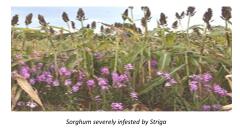
  • Severe Striga weed infestations in maize crops, particularly in Sub-Saharan Africa, leading to significant yield losses.
  • Reduced grain yields and crop productivity due to the parasitic nature of Striga, which competes with maize for nutrients and water.
  • Limited food self-sufficiency and economic returns in maize farming areas affected by Striga infestations.
  • Herbicide reliance and the need for effective Striga control methods.

Solution

  • Development and marketing of improved maize varieties that are genetically modified to be resistant to imazapyr, a herbicide effective in protecting maize crops against Striga weeds.
  • Introduction of IR maize lines in areas severely affected by Striga, enhancing grain yields and curbing the further spread of the weed when combined with appropriate soil and fertilizer management.
  • Use of IR maize seeds coated with imazapyr instead of non-resistant hybrid varieties, leading to increased grain and stover productivity and improved nutrient and water use efficiency.
  • Reduction in herbicide usage for Striga control by precisely delivering the imazapyr agent through seed dressing, effectively inhibiting Striga spore germination near maize roots during the critical stages of crop establishment.
  • Genetic engineering of maize germplasm to incorporate an 'IR' gene, making maize plants resistant to imazapyr herbicides.
  • Marketing of maize varieties combining imazapyr resistance with other valuable traits, such as drought tolerance and biofortification.
  • Season-long protection against Striga on fields, even in areas with varying Striga seedbanks and levels of parasitism of untreated maize varieties.
  • Compatibility of IR maize with degraded fields and low soil fertility when combined with the appropriate supply of inorganic fertilizers and organic resources.
  • Use of the non-toxic herbicide imazapyr, which is applied in micro-doses through IR technology.
  • Coating of herbicides onto maize seeds using a binding agent like Arabic gum, ensuring stable application and effectiveness.

Key points to design your project

This technology aims to enhance food safety, reduce poverty, and promote sustainable agriculture. Simultaneously, it helps manage plant diseases more sustainably and mitigates the effects of climate change, aligning with Sustainable Development Goals such as food security, poverty reduction, and sustainable agriculture.

To integrate this technology into your project, create a list of project activities and prerequisites, including:

  • Identifying and developing effective pesticides for seed treatment to control Striga infestation,
  • Raising awareness among farmers about the benefits of IR maize on production and Striga control,
  • Providing access to seed treatment for community-based and commercial seed multipliers, as well as agro dealers,
  • Linking producers to financial support and markets.

- Estimate the quantity of IR Maize seed and pesticide needed for your project, considering that Imazapyr herbicides cost 4-5 USD for the IR seed required to plant one hectare. The seed of IR maize costs 1.5 to 2.5 USD per kilogram. 

- As the technology is available in Ethiopia, Kenya, Tanzania, Uganda, Malawi, Mozambique, Zambia, Zimbabwe, include the delivery cost to the project site and account for import clearance and duties if relevant.

Training is crucial because treating seed requires knowledge and skills to be performed properly and safely. A team of trainers could provide training and support during project installation. Include the cost for training and post-training support for using the technology. Communication support for the technology should be developed (flyers, videos, radio broadcasts, etc.).

For better optimization of this technology, it is recommended to associate this technology with Drought-tolerant varieties (DTMA, WEMA, others), Specialized pre-plant fertilizer blending and N topdressing, Maize-legume rotation, and intercropping. To implement the technology in your country, you could collaborate with agricultural development institutes and seed multiplication companies.

IP

Open source / open access

Scaling Readiness describes how complete a technology’s development is and its ability to be scaled. It produces a score that measures a technology’s readiness along two axes: the level of maturity of the idea itself, and the level to which the technology has been used so far.

Each axis goes from 0 to 9 where 9 is the “ready-to-scale” status. For each technology profile in the e-catalogs we have documented the scaling readiness status from evidence given by the technology providers. The e-catalogs only showcase technologies for which the scaling readiness score is at least 8 for maturity of the idea and 7 for the level of use.

The graph below represents visually the scaling readiness status for this technology, you can see the label of each level by hovering your mouse cursor on the number.

Read more about scaling readiness ›

Scaling readiness score of this technology

Maturity of the idea 7 out of 9

Semi-controlled environment: prototype

Level of use 7 out of 9

Common use by projects NOT connected to technology provider

Maturity of the idea Level of use
9
8
7
6
5
4
3
2
1
1 2 3 4 5 6 7 8 9

Enabling Environments for Sustainable Regional Agriculture Extension (ENSURE)

  • Project funder: African Development Bank & East Africa Community
  • Planned Budget: USD 13.14 million
  • Location: East African Community (Burundi, DRC, Kenya, Rwanda, South Sudan, Tanzania, Uganda)
  • Planned duration: 2024–2027
  • Deployment means: On-farm demonstrations, training, digital tools (SMS, IVR, video, radio, pictorial guides), bundled inputs + advisory services, Training of Trainers (ToT)
  • Project main implementer: East African Community (EAC)
  • Project Description: Strengthen agricultural extension systems using digital tools, private-sector approaches, regional coordination, and multi-commodity focus (maize, cassava, rice, drought-resilient crops).
  • Objective: Promote regional extension, enhance advisory services, scale climate-smart technologies, build sustainable private sector–led extension systems, strengthen policy and regulatory frameworks.
  • Expected outcome: Increased adoption of improved technologies, improved farmer productivity and profitability, enhanced access to quality inputs and pest management solutions, strengthened resilience to climate and pest risks, regional market integration, job creation for youth and agripreneurs.
  • Figures of adoption: Target 3 million farmers reached over 4 years, digital extension pilots in 7 EAC states, training of extension agents, lead farmers, cooperatives, and youth agripreneurs, rollout of Pest Information Management Systems (PIMS).
  • Profiles of adopters: Smallholder farmers, women, youth agripreneurs, cooperatives and producer organizations, public and private extension agents, National Plant Protection Officers (NPPOs).
  • Lessons learnt: System-level approaches needed beyond technology delivery, digital tools most effective with in-person facilitation, supportive policy/regulatory environment critical, regional harmonization boosts scalability and cross-border diffusion of technologies. 


Projet d’Appui au Développement des Chaînes de Valeurs en soutien au Programme de Transformation de l’Agriculture (PADCV-PTA)

  • Project funder: African Development Bank
  • Planned Budget: USD 311.609 million
  • Location: 6 provinces in Congo (Kongo Central, Kwango, Maï-Ndombe, Kasaï Oriental, Lomami, Sud-Kivu)
  • Planned duration: 2024–2029
  • Deployment means: Direct access to improved seeds and planting materials, seed system strengthening (INERA, SENASEM, multipliers), Farmer Field Schools and demonstration plots (1,600 sites), strengthened public extension (SNV), training/capacity building, subsidized or cost-shared inputs and equipment, irrigation infrastructure (5,200 ha), rural road rehabilitation (600 km), contract farming and private sector partnerships
  • Project main implementer: Social Fund of the Democratic Republic of the Congo
  • Project Description: Implements the National Pact for Food and Agriculture (PNAA) using an integrated value chain approach combining technology access (seeds, practices), infrastructure development (irrigation, roads), extension services, farmer organization, finance, and market access to boost productivity, reduce imports, strengthen resilience, and structure agricultural value chains.
  • Objective: Restore national seed capital, scale improved and climate-resilient technologies, increase productivity, facilitate access to inputs/advisory/markets/finance, promote climate-smart agriculture, strengthen farmer organizations and value chain governance, reduce food imports, and enhance resilience to climate shocks and conflict.
  • Expected outcome: ~80% crop yield increase (rice, cassava, maize, soybean), 1.68 million tons/year additional production, expansion of irrigated rice, improved access to seeds/inputs, stronger farmer organizations, better post-harvest handling and market integration, increased private sector engagement, reduced food imports, improved national food security.
  • Figures of adoption: 900,000 farming households directly supported, ~295,000 ha cultivated with improved seeds, 5,200 ha irrigated rice, 600 km rural roads rehabilitated, 1,600 FFS/demonstration plots, 2 million households indirectly benefiting, +4.1 million tons private sector processing, ~1.68 million tons annual production increase
  • Profiles of adopters: Smallholder farmers, women farmers (100% of women-headed households in target areas), youth/agripreneurs, internally displaced persons (IDPs) in South Kivu, seed producers, cooperatives, farmer organizations/inter-professional associations, public extension services, local authorities
  • Lessons learnt: Infrastructure (irrigation, roads) and market access are critical for adoption, seed system reform is a bottleneck, contract farming/aggregation incentivizes adoption, combining inputs + extension + finance accelerates impact, governance and institutional coordination are key for scaling and sustainability


Projet d'Urgence de Production et de Sécurite Alimentaire & Nutritionnelle (PUPSAN/AEFPF)

  • Project funder: African Development Bank (AfDB) Group – Transition Support Facility (TSF) loan and grant
  • Planned Budget: USD 7.040 million
  • Location: Republic of Mali
  • Planned duration: 2022–2024
  • Deployment means: Distribution of certified seeds and subsidized fertilizers, training for extension staff and farmers on climate-resilient practices, use of digital tools (tablets with Rice Advice and WeedMaster applications)
  • Project main implementer: Ministry of Rural Development (MDR) via Office Riz Ségou (ORS) and the PDIR-PD2 project management unit
  • Project Description: Emergency intervention to counter food insecurity by providing climate-resilient inputs, supporting the acquisition of 1,027.14 tons of seeds and 2,234 tons of fertilizers, and assisting national seed policy reforms
  • Objective: Increase agricultural production and reduce the negative impact of rising food and input prices on the Malian population
  • Expected outcome: Additional production of 11,145.6 tons of food products, yield increase of 30–50% across targeted crops
  • Figures of adoption: 35,274 producers targeted, 8,829 hectares cultivated, distribution of 1,027.14 tons of seeds and 2,234 tons of fertilizers
  • Profiles of adopters: Vulnerable producers including 30% women (10,582), 20% youth (7,054), 10% internally displaced persons (3,527)
  • Lessons learnt: Leveraging existing execution agencies accelerates startup, efficient procurement systems (advance actions, direct negotiation) are critical, and digitalization ensures transparency and traceability in input distribution


Emergency Food Production Project (Projet de Production Alimentaire d’Urgence - PPAU)

  • Project funder: African Development Fund (ADF) (Loan and Grant) and the Government of Guinea
  • Planned Budget: 19.39 million UC (~USD 25.23 million)
  • Location: Republic of Guinea – national coverage
  • Planned duration: Nov 2022 – June 2024 (Completion) / Dec 2024 (Closing)
  • Deployment means: Distribution of certified seeds and fertilizers (30% government subsidy), GAP training, digital platforms (e-Voucher/e-Extension), TAAT technical assistance
  • Project main implementer: Ministry of Agriculture and Livestock (MAL) via Project Management Unit (UGP) of PATAG-EAJ
  • Project Description: Emergency operation to mitigate rising input/food prices and boost production of rice, maize, and tubers
  • Objective: Improve food and nutritional security; increase agricultural production and productivity in intervention zones
  • Expected outcome: Additional production of 71,429 tons rice, 57,000 tons maize, 12,000 tons cassava; significant yield increases across crops
  • Figures of adoption: 35,750 direct farmers; 2,000 tons rice seeds, 750 tons maize seeds, 20,000 cassava cuttings distributed; 63,286 ha additional sown area
  • Profiles of adopters: Smallholder farmers (≥10,750 women – 30%), 1,650 livestock farms, youth entrepreneurs; targeting vulnerable populations
  • Lessons learnt:
    • Constraints: High international input prices, climate vulnerability
    • Success factors: Strong existing UGP (PATAG-EAJ), e-Voucher digitalization for transparency, TAAT technical support for rapid multiplication technologies (SAH)

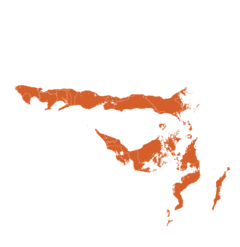
Countries with a green colour
Tested & adopted
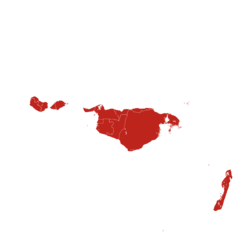
Countries with a bright green colour
Adopted
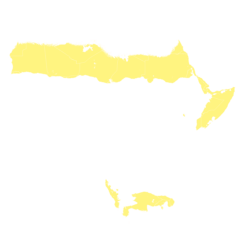
Countries with a yellow colour
Tested
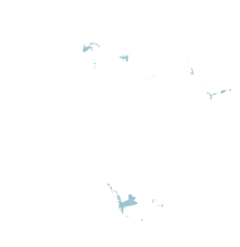
Countries with a blue colour
Testing ongoing
Egypt Equatorial Guinea Ethiopia Algeria Angola Benin Botswana Burundi Burkina Faso Democratic Republic of the Congo Djibouti Côte d’Ivoire Eritrea Gabon Gambia Ghana Guinea Guinea-Bissau Cameroon Kenya Libya Liberia Madagascar Mali Malawi Morocco Mauritania Mozambique Namibia Niger Nigeria Republic of the Congo Rwanda Zambia Senegal Sierra Leone Zimbabwe Somalia South Sudan Sudan South Africa Eswatini Tanzania Togo Tunisia Chad Uganda Western Sahara Central African Republic Lesotho
Countries where the technology is being tested or has been tested and adopted
Country Testing ongoing Tested Adopted
Ethiopia No ongoing testing Tested Adopted
Kenya No ongoing testing Tested Adopted
Malawi No ongoing testing Tested Adopted
Mozambique No ongoing testing Tested Adopted
Tanzania No ongoing testing Tested Adopted
Uganda No ongoing testing Tested Adopted
Zambia No ongoing testing Tested Adopted
Zimbabwe No ongoing testing Tested Adopted

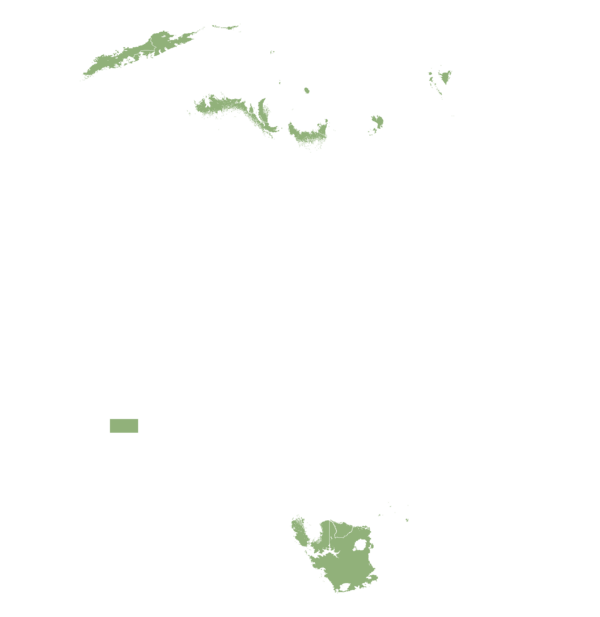
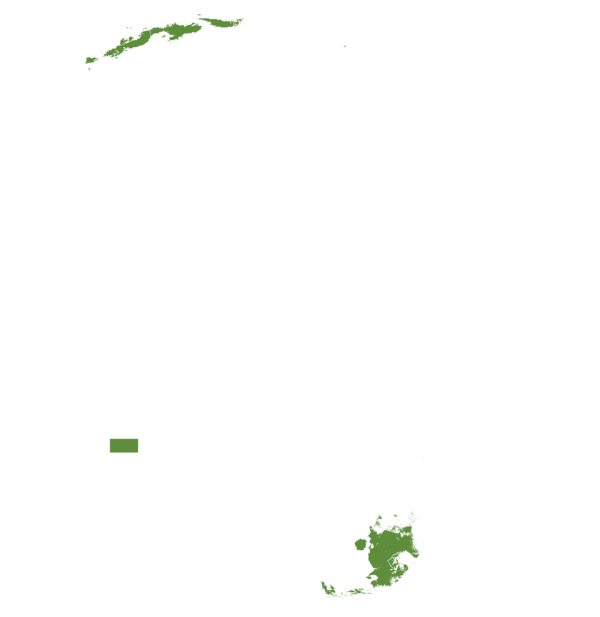
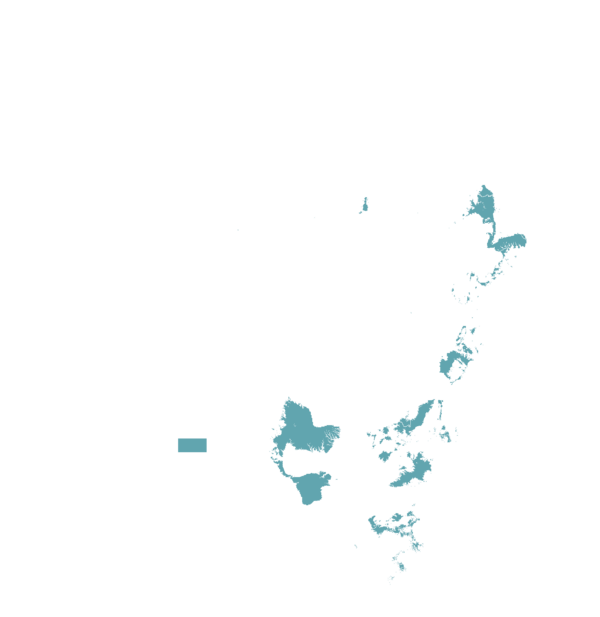
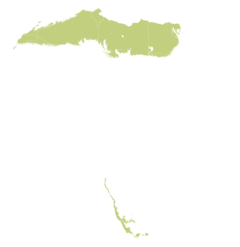
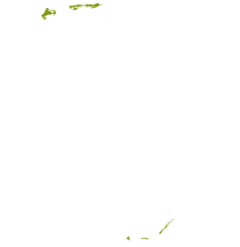
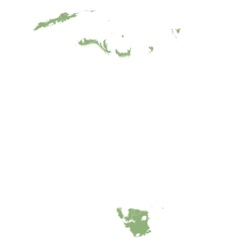
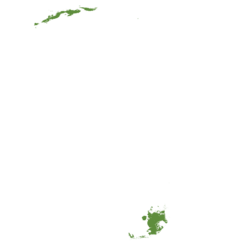
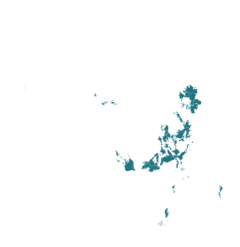
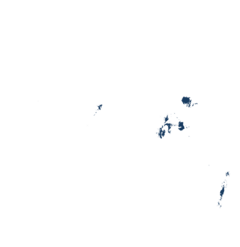
This technology can be used in the colored agro-ecological zones. Any zones shown in white are not suitable for this technology.
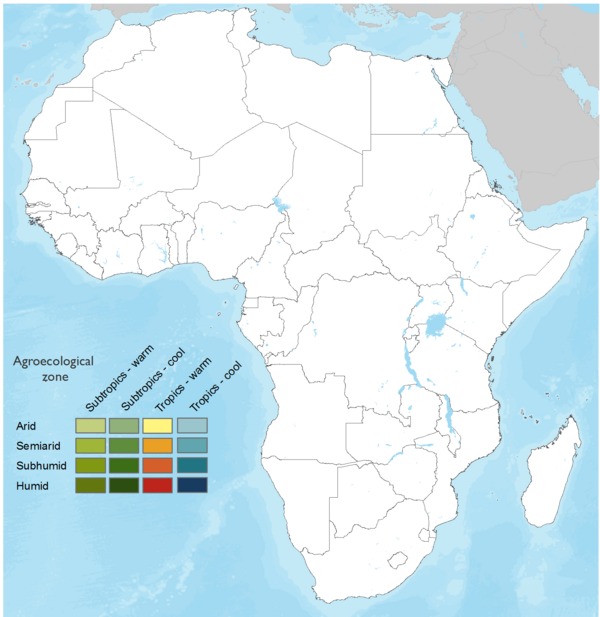
Agro-ecological zones where this technology can be used
AEZ Subtropic - warm Subtropic - cool Tropic - warm Tropic - cool
Arid
Semiarid
Subhumid
Humid

Source: HarvestChoice/IFPRI 2009

The United Nations Sustainable Development Goals that are applicable to this technology.
Sustainable Development Goal 2: zero hunger
Goal 2: zero hunger
Sustainable Development Goal 8: decent work and economic growth
Goal 8: decent work and economic growth

1. Seed Selection and Preparation:

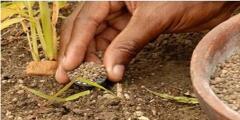
  • Obtain high-quality IR maize seeds from a reliable source. Use gloves when handling the coated IR maize seeds to avoid exposure to the herbicide.

2. Soil and Fertilizer Management:

  • Follow the best soil and fertilizer management practices recommended for your specific growing area and conditions.
  • Ensure that the soil surface is well-tamped down to help the herbicide reach the surrounding soil.

3. Planting IR Maize:

  • Plant IR maize seeds as you would with any normal maize crop.
  • Ensure proper seed spacing and planting depth according to local recommendations.

4. Fertilizer Application:

  • Apply inorganic fertilizers, with a particular emphasis on nitrogen, as these have been shown to increase yields from IR maize and reduce Striga infestation.
  • Fertilizer application addresses soil limitations and helps the crop grow stronger.

5. Intercropping or Rotation (if needed):

  • On farmlands with high rates of Striga infestation, consider intercropping or rotating with food legumes like soybean or cowpea, or forage legume like greenleaf clover.
  • These additional crops can help manage Striga while diversifying agricultural output.

Last updated on 9 April 2026