TAAT e-catalog
for
government
https://taat.africa/gov/technologies/nerica-high-yield-rice-varieties-for-africa
NERICA: Higher Yields, Resilience, and Profitability for African Farmers.
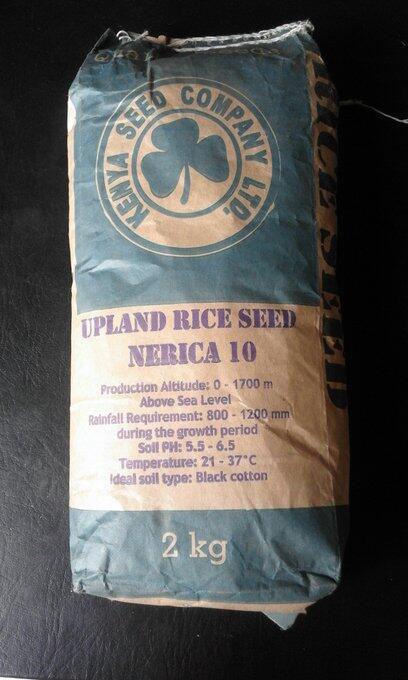
NERICA varieties exhibit exceptional agronomic traits tailored to African growing conditions. With potential yields ranging from 2 to 6 tons per hectare, they offer a significant boost in productivity. These varieties demonstrate low susceptibility to weed infestations and display resilience to short-term drought, making them well-suited for regions with unpredictable rainfall patterns. Furthermore, their adaptability to poor soils underscores their suitability for diverse agricultural landscapes. NERICA's moderate resistance to major diseases like rust and leaf blight, along with its tolerance to pests such as nematodes and leafminers, minimizes the need for chemical interventions. This robust combination of traits positions NERICA as a vital asset for sustainable and resilient agriculture in Africa.
This technology is TAAT1 validated.
Adults 18 and over: Positive high
Its enhances food stability and economic security for adult farmers.
The poor: Positive medium
Its strengthens local food availability, reducing the need to purchase imported rice.
Under 18: Positive medium
Its improves food security, helping to prevent childhood malnutrition.
Women: Positive high
Its empowers women farmers, who often manage rice production, by offering a resilient and profitable crop
Climate adaptability: Highly adaptable
Designed to thrive in drought-prone and upland areas, making it suitable for regions affected by climate change.
Farmer climate change readiness: Significant improvement
Its requires fewer inputs, which eases resource demands on farmers, allowing them to manage climate challenges more effectively.
Biodiversity: No impact on biodiversity
Carbon footprint: A bit less carbon released
Less reliance on chemical fertilizers contributes to a lower carbon footprint in farming practices.
NERICA positively impacts gender by providing increased opportunities for women's participation in agriculture and enhancing their food security. It also contributes to climate resilience through its drought tolerance and adaptability to varied environmental conditions, thereby mitigating the effects of climate change.
To integrate this technology into your project, consider the following activities and prerequisites:
Breeders and seed suppliers should develop NERICA varieties tailored to conditions in growing areas.
Conduct awareness-raising campaigns with farmers to highlight the benefits of planting improved rice varieties for food production and risk mitigation.
Ensure equitable access and financial support for local suppliers and smallholder farmers to catalyze investments and purchases of NERICA rice.
Estimate the quantity of seeds needed for your project, considering a technology cost of USD 0.8 to 1.2 per kilogram. Also, include delivery costs to the project site and account for import clearance and duties if relevant.
Consider engaging a team of trainers to provide training and support during project installation, including costs for training and post-training support. Develop communication materials such as flyers, videos, and radio broadcasts to support the technology.
For better optimization of the improved maize variety, consider associating this technology with Deep urea placement for nitrogen management, Foliar micronutrient addition, Engineered irrigation surfacing, and Motorized weeders for cutting and burying paddy weeds.
To implement the technology in your country, explore collaborations with agricultural development institutes and seed multiplication companies.
Consider the specicifity of each NERICA varieites:
| Varieties | Agro-ecology | Stade of maturity in day | Yield kgha-1 | Nutritious traits |
| NERICA 1 | Upland rice | 95-100 | 4500 | Non-sticky, Aromatic |
| NERICA 2 | Upland rice | 90–95 | 4000 | Non-sticky, Non-Aromatic |
| NERICA 3 | Upland rice | 95–100 | 4500 | Medium texture, Non-Aromatic |
| NERICA 4 | Upland rice | 90–95 | 4000 | Medium texture, Non-Aromatic |
| NERICA 6 | Upland rice | 95–100 | 5000 | Medium texture, Non-Aromatic |
| NERICA 7 | Upland rice | 95–100 | 5000 | Non-sticky, Non-Aromatic |
| NERICA 10 | Upland rice | 90–95 | 4000 |
with and without fertilizer
Open source / open access
Scaling Readiness describes how complete a technology's development is and its ability to be scaled. It produces a score that measures a technology's readiness along two axes: the level of maturity of the idea itself, and the level to which the technology has been used so far.
Each axis goes from 0 to 9 where 9 is the “ready-to-scale” status. For each technology profile in the e-catalogs we have documented the scaling readiness status from evidence given by the technology providers. The e-catalogs only showcase technologies for which the scaling readiness score is at least 8 for maturity of the idea and 7 for the level of use.
The graph below represents visually the scaling readiness status for this technology, you can see the label of each level by hovering your mouse cursor on the number.
Read more about scaling readiness ›
Uncontrolled environment: tested
Used by some intended users, in the real world
| Maturity of the idea | Level of use | |||||||||
| 9 | ||||||||||
| 8 | ||||||||||
| 7 | ||||||||||
| 6 | ||||||||||
| 5 | ||||||||||
| 4 | ||||||||||
| 3 | ||||||||||
| 2 | ||||||||||
| 1 | ||||||||||
| 1 | 2 | 3 | 4 | 5 | 6 | 7 | 8 | 9 | ||
| Project | Countries | Beneficiaries | Budget (USD) & duration | Key figures |
|---|---|---|---|---|
|
2PAU Emergency Food Production Programme |
|
|
161.96 million 2022–2023 |
|
|
BRIDEP Multinational - Projet de Développement Intégré Burundi-Rwanda |
|
|
139,09 million 2024 - 2031 |
|
|
EFPP Guinea Emergency Food Production Programme |
|
|
25.23 million 2022–2024 |
|
|
ENSURE Enabling Environments for Sustainable Regional Agriculture Extension |
|
|
13.14 million 2024–2027 |
|
|
ERAVCDP Eastern Region Agricultural Value Chain Development Project |
|
|
211.4 million 2026–2031 |
|
|
ESFSP Emergency Support to Food Security Project |
|
|
6.5 million 2022–2024 |
|
|
PADCV-PTA Projet d’Appui au Developpement des Chaines de Valeurs en soutien au Programme de Transformation de l’Agriculture |
|
|
321 million 2024–2029 |
|
|
PUPSAN Emergency Production and Food & Nutrition Security Project |
|
|
7.04 million 2023–2026 |
|
|
Regenerative agri Multinational - Evidence-based regenerative agriculture to address climate change in Africa |
|
|
975,000 2023 - 2026 |
|
|
RVCTP Additional Financing to the Rice Value Chain Transformation Programme |
|
|
3.5 million 2022–2025 |
|
|
SAPZ-II Multinational- Promotion of Sustainable Agricultural Value Chains in Special Agro-Industrial Processing Zones |
|
|
625,00 million 2025–2030 |
|
|
SEPAREF Strengthening Emergency Preparedness and Response to Food Crisis |
|
|
10.56 million 2022–2025 |
|
Figures in italic are from project plans and may change during implementation.
| Country | Testing ongoing | Tested | Adopted |
|---|---|---|---|
| Benin | –No ongoing testing | –Not tested | Adopted |
| Burundi | –No ongoing testing | –Not tested | Adopted |
| Cameroon | –No ongoing testing | –Not tested | Adopted |
| Democratic Republic of the Congo | –No ongoing testing | –Not tested | Adopted |
| Gambia | –No ongoing testing | –Not tested | Adopted |
| Ghana | –No ongoing testing | –Not tested | Adopted |
| Guinea | –No ongoing testing | –Not tested | Adopted |
| Kenya | –No ongoing testing | –Not tested | Adopted |
| Malawi | –No ongoing testing | –Not tested | Adopted |
| Mali | –No ongoing testing | –Not tested | Adopted |
| Mozambique | –No ongoing testing | –Not tested | Adopted |
| Nigeria | –No ongoing testing | –Not tested | Adopted |
| Rwanda | –No ongoing testing | –Not tested | Adopted |
| Sierra Leone | –No ongoing testing | –Not tested | Adopted |
| Tanzania | –No ongoing testing | –Not tested | Adopted |
| Uganda | –No ongoing testing | –Not tested | Adopted |
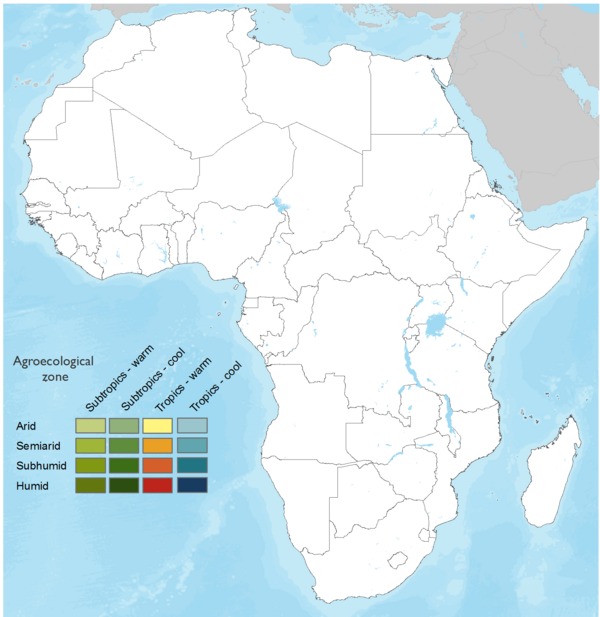
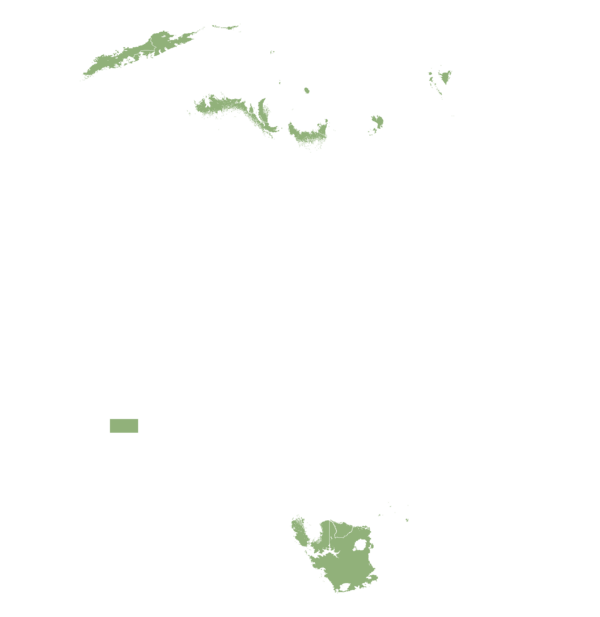
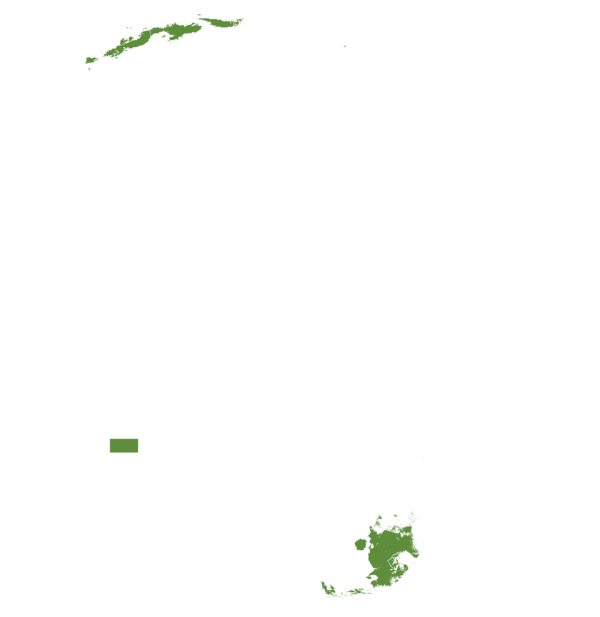
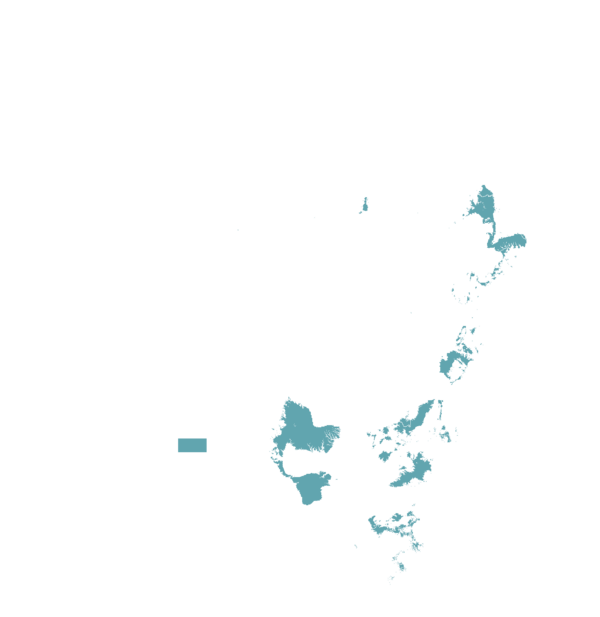
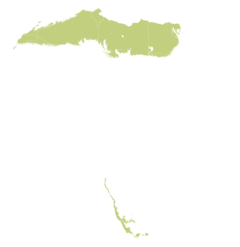
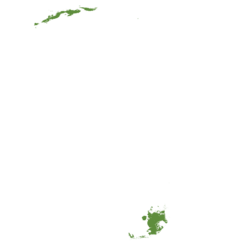
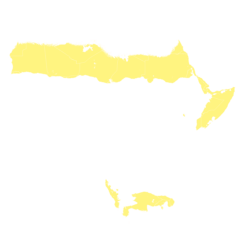
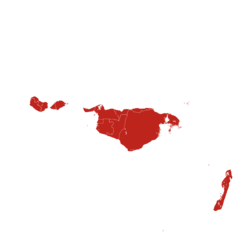
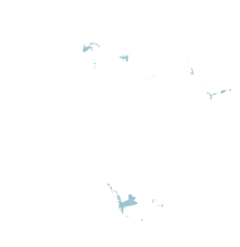
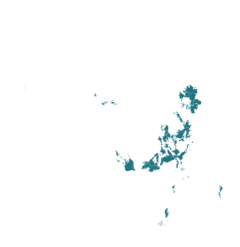
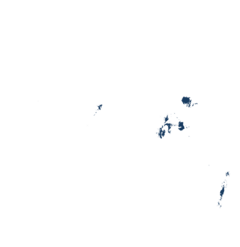
This technology can be used in the colored agro-ecological zones. Any zones shown in white are not suitable for this technology.









| AEZ | Subtropic - warm | Subtropic - cool | Tropic - warm | Tropic - cool |
|---|---|---|---|---|
| Arid | ||||
| Semiarid | ||||
| Subhumid | ||||
| Humid |
Source: HarvestChoice/IFPRI 2009
The United Nations Sustainable Development Goals that are applicable to this technology.
By increasing rice yields, supporting food security and nutrition in regions where rice is a staple.

By promoting sustainable farming practices that reduce reliance on intensive irrigation, lowering environmental impact.
By empowering women farmers, who are often key players in rice cultivation, by providing a crop that is both high-yielding and resource-efficient.
Select the Appropriate Variety: Choose based on your specific growing conditions (lowland or upland) and field characteristics.
Prepare the Field: Ensure thorough ploughing, and levelling, and create bunds if needed for water management.
Planting Options: Direct seeding by broadcasting, drilling, dibbling, or transplanting seedlings from a well-maintained seedbed.
Maintain Proper Spacing: Allow for optimal plant growth and development.
Monitor and Manage Water: Ensure consistent moisture levels, especially during critical growth stages.
Weed Control: Regularly remove weeds to prevent competition for nutrients and space.
Fertilize Appropriately: Apply recommended fertilizers based on soil nutrient levels and variety requirements.
Manage Pests and Diseases: Monitor and take necessary measures for control.
Harvest at Maturity: Harvest when grains are mature and moisture content is 18-22%, using sickles or mechanical harvesters.
Dry and Thresh: Reduce moisture content through drying, then separate grains from stalks through threshing.
Store Properly: Keep harvested rice in well-sealed containers in a cool, dry place to prevent damage from moisture and pests.
Last updated on Sep 23, 2026
This technology can be used in the colored agro-ecological zones.











NERICA: High yield rice varieties for Africa
https://taat.africa/gov/technologies/nerica-high-yield-rice-varieties-for-africa
Last updated on 23 September 2026, printed on Oct 9, 2026
Enquiries e-catalogs@taat.africa