Logo
TAAT e-catalog for Development partners
https://taat.africa/org/technologies/kabana-6hnarita7-hybrid-high-yielding-and-disease-tolerant-banana
Request information View pitch brochure

KABANA 6H/NARITA7 hybrid: High yielding and disease tolerant banana

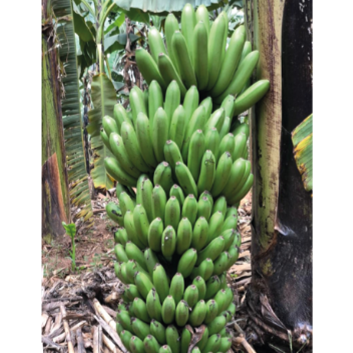
long lasting banana nicknamed 'kiwangazi' by farmers.

The KABANA 6H/NARITA7 banana hybrid is a high-yielding variety resistant to black Sigatoka, banana weevils, and nematodes. It can produce 57.7 kg per bunch with a potential yield of 60 tons/ha/year. Developed by IITA and NARO, it’s a practical solution for farmers, particularly in Uganda, enhancing plantation longevity and economic return.
This technology is validated.

9•8

Scaling readiness: idea maturity 9/9; level of use 8/9

Project adoption1

Technology integrated in the ENSURE project.
Project Beneficiaries Budget Duration Key figures
ENSURE
Enabling Environments for Sustainable Regional Agriculture Extension
  • 3,000,000 farmers.

13.14 million

2024–2027
  • 149,940 farmer leaders & trained farmers.
  • 9,996 trained.
  • 2 → 3.5 t/ha.
See project details ›

Adults 18 and over: Positive high

The poor: No impact

Under 18: No impact

Women: Positive medium

Climate adaptability: Highly adaptable

Farmer climate change readiness: Significant improvement

Biodiversity: No impact on biodiversity

Water use: A bit less water used

Problem

  • Decreased Yield: Banana plantations have been facing a decline in yield due to various factors.
  • Black Sigatoka Disease: This leaf spot disease significantly reduces banana yield.
  • Pest Infestation: Banana weevils and nematodes cause root damage and reduce plantation longevity.
  • Short Plantation Lifespan: Pests and diseases have been reducing the lifespan of banana plantations, particularly in Uganda.
  • Economic Challenges: Due to the above issues, banana farmers have been facing economic challenges.

Solution

  • High Yield: The variety produces a high yield of 57.7 kg per bunch, with a potential yield of 60 tons/ha/year, addressing the problem of decreased yield.
  • Disease Resistance: It’s tolerant to black Sigatoka, a leaf spot disease, which helps in maintaining the yield.
  • Pest Resistance: The hybrid is resistant to banana weevils and nematodes, addressing the issue of pest infestation and root damage.
  • Longevity: The resistance to common pests and diseases increases the lifespan of banana plantations, solving the problem of short plantation lifespan.
  • Economic Benefits: With its high yield and resistance to pests and diseases, this variety can generate an economic return of USD 4800 per ha/year, addressing the economic challenges faced by farmers.

Key points to design your program

KABANA 6H/NARITA7 is a high-yielding, disease- and pest-tolerant banana hybrid that improves banana productivity, plantation longevity, and farmer incomes while reducing losses caused by Black Sigatoka, banana weevils, and nematodes. The technology can be integrated into banana value chain development, food security, sustainable agriculture, climate resilience, and rural livelihood programs to strengthen banana production and market opportunities. Its adoption contributes to SDGs 1 (No Poverty) and 2 (Zero Hunger).

To integrate this technology into your project, plan and budget for the following activities and prerequisites:

  • Assess banana production systems, agroecological conditions, disease and pest pressure, and market opportunities in target areas.
  • Establish partnerships with IITA, NARO, national agricultural research and extension services, private nurseries, producer organizations, and other banana value chain stakeholders.
  • Facilitate access to certified disease-free planting materials produced through tissue culture or macropropagation, together with the inputs required for plantation establishment and management.
  • Implement demonstration plots and training for farmers, seed multipliers, cooperatives, women's groups, youth enterprises, and extension agents on banana propagation, plantation establishment, integrated pest and disease management, soil fertility management, and good agronomic practices.
  • Support extension and dissemination activities to promote the adoption of improved banana hybrids.
  • Promote the participation of women, youth, and smallholder farmers in technology dissemination, seed multiplication, and banana agribusiness activities.
  • Implement monitoring, learning, and inclusion activities throughout the project lifecycle.
  • Track key indicators such as the number of farmers reached, adoption rates, banana yields, bunch weight and quality, incidence of pests and diseases, plantation longevity, farmer income, and the availability of quality planting materials.

57.7 kg per bunch

Real-life yield

60 tons/ha/year

Potential yield

IP

Plant variety protection

Scaling Readiness describes how complete a technology\’s development is and its ability to be scaled. It produces a score that measures a technology\’s readiness along two axes: the level of maturity of the idea itself, and the level to which the technology has been used so far.

Each axis goes from 0 to 9 where 9 is the “ready-to-scale” status. For each technology profile in the e-catalogs we have documented the scaling readiness status from evidence given by the technology providers. The e-catalogs only showcase technologies for which the scaling readiness score is at least 8 for maturity of the idea and 7 for the level of use.

The graph below represents visually the scaling readiness status for this technology, you can see the label of each level by hovering your mouse cursor on the number.

Read more about scaling readiness ›

Scaling readiness score of this technology

Maturity of the idea 9 out of 9

Uncontrolled environment: validated

Level of use 9 out of 9

Used by some intended users, in the real world

Maturity of the idea Level of use
9
8
7
6
5
4
3
2
1
1 2 3 4 5 6 7 8 9

Project Beneficiaries Budget Duration Key figures
ENSURE
Enabling Environments for Sustainable Regional Agriculture Extension
  • 3,000,000 farmers.

13.14 million

2024–2027
  • 149,940 farmer leaders & trained farmers.
  • 9,996 trained.
  • 2 → 3.5 t/ha.

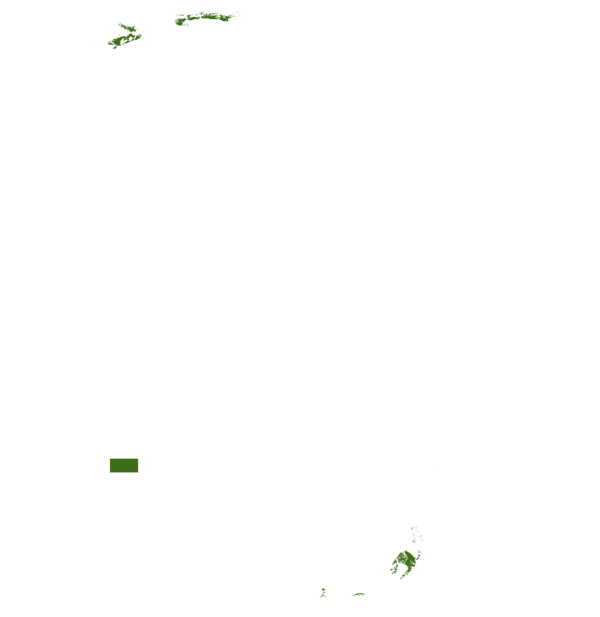
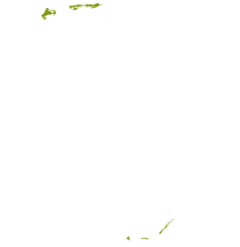
Countries with a green colour
Tested & adopted
Countries with a bright green colour
Adopted
Countries with a yellow colour
Tested
Countries with a blue colour
Testing ongoing
Egypt Equatorial Guinea Ethiopia Algeria Angola Benin Botswana Burundi Burkina Faso Democratic Republic of the Congo Djibouti Côte d’Ivoire Eritrea Gabon Gambia Ghana Guinea Guinea-Bissau Cameroon Kenya Libya Liberia Madagascar Mali Malawi Morocco Mauritania Mozambique Namibia Niger Nigeria Republic of the Congo Rwanda Zambia Senegal Sierra Leone Zimbabwe Somalia South Sudan Sudan South Africa Eswatini Tanzania Togo Tunisia Chad Uganda Western Sahara Central African Republic Lesotho
Countries where the technology is being tested or has been tested and adopted
Country Testing ongoing Tested Adopted
Kenya No ongoing testing Tested Not adopted
Tanzania No ongoing testing Tested Adopted
Uganda No ongoing testing Tested Adopted

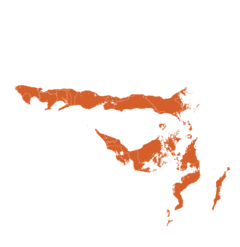
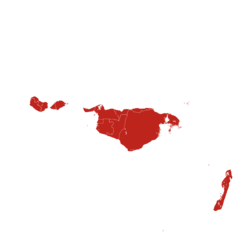
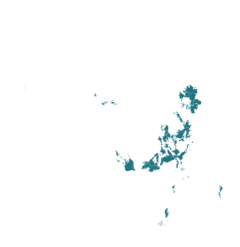
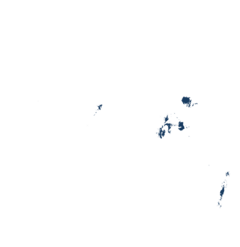
This technology can be used in the colored agro-ecological zones. Any zones shown in white are not suitable for this technology.
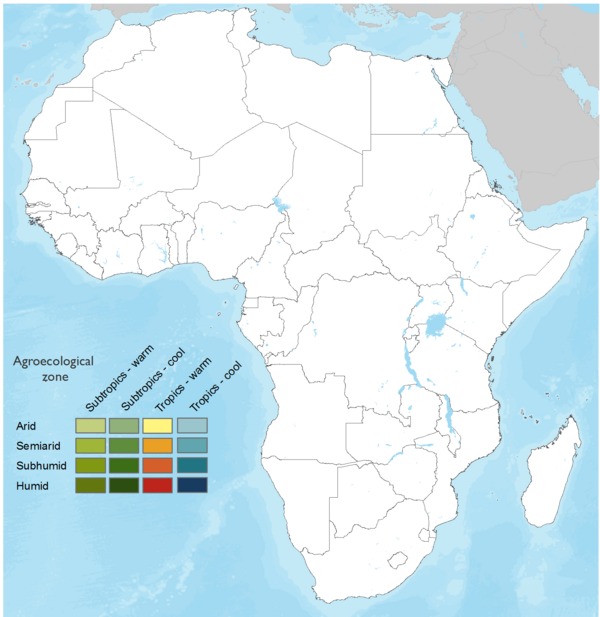
Agro-ecological zones where this technology can be used
AEZ Subtropic - warm Subtropic - cool Tropic - warm Tropic - cool
Arid
Semiarid
Subhumid
Humid

Source: HarvestChoice/IFPRI 2009

The United Nations Sustainable Development Goals that are applicable to this technology.

Sustainable Development Goal 1: no poverty
Goal 1: no poverty
Sustainable Development Goal 2: zero hunger
Goal 2: zero hunger

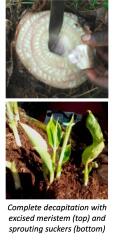
Plant the new variety (KABANA 6H/NARITA 7) and follow the normal agronomic practices for banana. Globaly it could be: 

  1. Site Selection: Choose a site with well-drained soil. Avoid areas prone to flooding or water-logging.
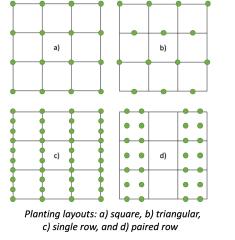
  2. Preparation of Planting Holes: Dig holes about 60cm wide and 60cm deep. The distance between holes should be about 3m x 3m apart.
  3. Soil Preparation: Mix the topsoil from the hole with well-decomposed manure.
  4. Planting: Place the banana sucker in the hole. Ensure that the corm is covered with soil up to the collar level of the sucker. Backfill the hole with the mixture of topsoil and manure.
  5. Watering: Water the plants immediately after planting. Continue to water regularly, especially in the dry season.
  6. Weed Control: Keep the plantation free from weeds. Weeds compete with banana plants for nutrients.
  7. Mulching: Apply mulch around the base of the plants to conserve soil moisture and control weeds.
  8. Fertilizer Application: Apply a balanced NPK fertilizer as per the soil fertility status. Regularly add organic matter to improve soil fertility.
  9. Pest and Disease Management: Regularly monitor the plantation for signs of pests and diseases. Use recommended pest and disease control measures when necessary.
  10. Harvesting: Harvest the bananas when they are fully developed and green. The right time to harvest is usually 11-14 months after planting.

Last updated on Jul 2, 2026