TAAT e-catalog
for
government
https://taat.africa/gov/technologies/dtma-wema-drought-tolerant-maize-varieties-and-water-efficient-maize-varieties
Enhance farm's resilience with DTMA and WEMA maize varieties, ensuring consistent yields even in unpredictable weather.
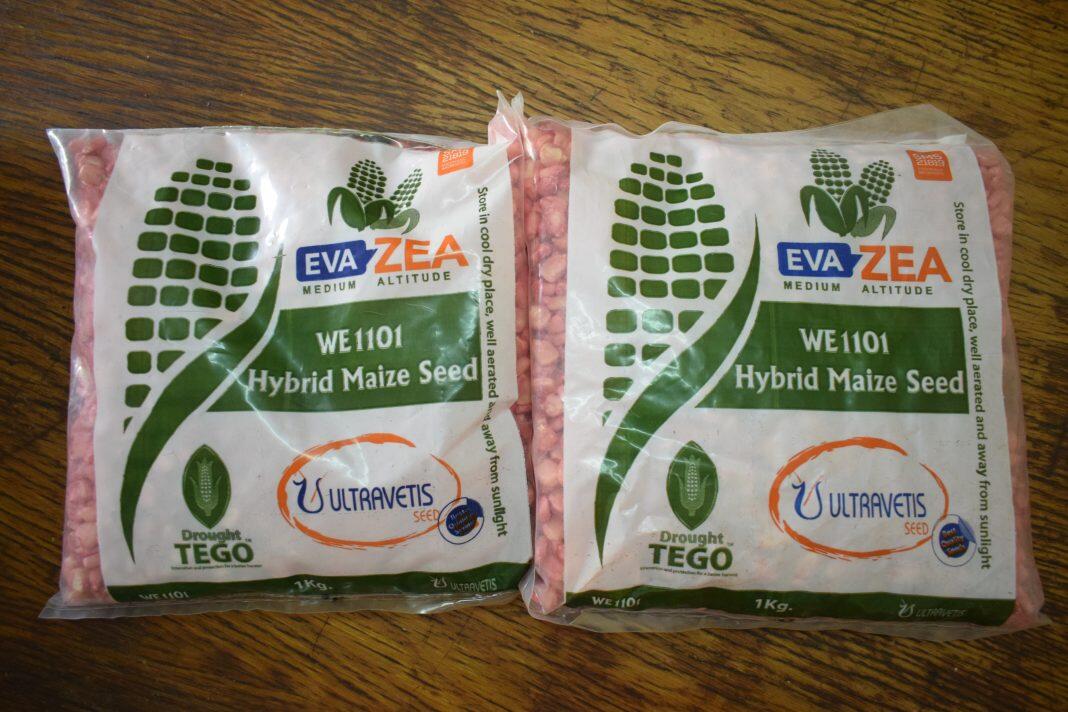
These seed technologies, developed through conventional and biotechnological methods, bolster the maize plant's ability to withstand acute soil drying and low water supply. They outperform traditional varieties under various levels of water stress, offering resilience in both dry and intermittently wet climates.
This technology is TAAT1 validated.
Adults 18 and over: Positive high
Others: Positive medium
The poor: Positive medium
Under 18: Positive medium
Women: Positive medium
Climate adaptability: Highly adaptable
Farmer climate change readiness: Significant improvement
Biodiversity: No impact on biodiversity
Carbon footprint: A bit less carbon released
Environmental health: Does not improve environmental health
Soil quality: Improves soil health and fertility
Water use: Much less water used
This technology addresses water stress in Sub-Saharan maize production, improving productivity and resilience to adverse rainfall. It contributes to climate resilience and SDGs, particularly in food security and poverty reduction. Gender-inclusive access further promotes equitable agricultural development.
To integrate this technology into your project, and create a list of project activities and prerequisites and plan these activities:
- Considering the technology cost of 0.8 to 1.2 USD per kg and a requirement of 25 kg per ha, estimate the quantity of seeds needed for your project.
- As the technology is available in Kenya, Malawi, Mozambique, Nigeria, South Africa, Tanzania, Uganda, Zambia and Zimbabwe, include the delivery cost to the project site and account for import clearance and duties if relevant.
A team of trainers could provide training and support during project installation. Include the cost for training and post-training support for using the technology.
Communication support for the technology should be developed (flyers, videos, radio broadcasts, etc.)
For better optimization of the improved maize variety, it is recommended to associate this technology with Imazapyr resistant maize for Striga management (IR maize), Specialized pre-plant fertilizer blending and N topdressing, Maize-legume rotation and intercropping.
To implement the technology in your country, you could collaborate with agricultural development institutes and seed multiplication companies.
Yield increase
Larger grain harvest than common type
Unknown
Scaling Readiness describes how complete a technology's development is and its ability to be scaled. It produces a score that measures a technology's readiness along two axes: the level of maturity of the idea itself, and the level to which the technology has been used so far.
Each axis goes from 0 to 9 where 9 is the “ready-to-scale” status. For each technology profile in the e-catalogs we have documented the scaling readiness status from evidence given by the technology providers. The e-catalogs only showcase technologies for which the scaling readiness score is at least 8 for maturity of the idea and 7 for the level of use.
The graph below represents visually the scaling readiness status for this technology, you can see the label of each level by hovering your mouse cursor on the number.
Read more about scaling readiness ›
Uncontrolled environment: tested
Used by some intended users, in the real world
| Maturity of the idea | Level of use | |||||||||
| 9 | ||||||||||
| 8 | ||||||||||
| 7 | ||||||||||
| 6 | ||||||||||
| 5 | ||||||||||
| 4 | ||||||||||
| 3 | ||||||||||
| 2 | ||||||||||
| 1 | ||||||||||
| 1 | 2 | 3 | 4 | 5 | 6 | 7 | 8 | 9 | ||
| Project | Countries | Beneficiaries | Budget (USD) & duration | Key figures |
|---|---|---|---|---|
|
2PAU Emergency Food Production Programme |
|
|
161.96 million 2022–2023 |
|
|
AFMPFNSHoA Additional Financing to Multinational Programme for Food & Nutrition Security in the Horn of Africa |
|
|
5.4 million 2022–2026 |
|
|
BRIDEP Multinational - Projet de Développement Intégré Burundi-Rwanda |
|
|
139,09 million 2024 - 2031 |
|
|
EFPFP Emergency Food Production Facility Project |
|
|
20.85 million 2022–2026 |
|
|
EFPP Guinea Emergency Food Production Programme |
|
|
25.23 million 2022–2024 |
|
|
EFPP(AEFPF) Emergency Food Production Project (AEFPF) |
|
|
25.5 million 2022–2026 |
|
|
ENSURE Enabling Environments for Sustainable Regional Agriculture Extension |
|
|
13.14 million 2024–2027 |
|
|
ESFSP Emergency Support to Food Security Project |
|
|
6.5 million 2022–2024 |
|
|
PADCV-PTA Projet d’Appui au Developpement des Chaines de Valeurs en soutien au Programme de Transformation de l’Agriculture |
|
|
321 million 2024–2029 |
|
|
PADDAMAG Project to Support Agropastoral Development, Digitization and Market Access |
|
|
32.85 million 2023–2029 |
|
|
Post-Cyclone Recovery Programme Post Cyclone IDAI and Kenneth Emergency Recovery and Resilience Programme |
|
|
58,24 million 2022–2026 |
|
|
PROCAVA Inclusive Agri-Food Value Chain Development Project |
|
|
105.45 million 2024–2028 |
|
|
PUPSAN Emergency Production and Food & Nutrition Security Project |
|
|
7.04 million 2023–2026 |
|
|
PURPA Projet d’Urgence pour le Renforcement de la Production Agricole |
|
|
38.87 million 2022–2024 |
|
|
Regenerative agri Multinational - Evidence-based regenerative agriculture to address climate change in Africa |
|
|
975,000 2023 - 2026 |
|
|
RVCTP Additional Financing to the Rice Value Chain Transformation Programme |
|
|
3.5 million 2022–2025 |
|
|
SAPZ-II Multinational- Promotion of Sustainable Agricultural Value Chains in Special Agro-Industrial Processing Zones |
|
|
625,00 million 2025–2030 |
|
|
SEPAREF Strengthening Emergency Preparedness and Response to Food Crisis |
|
|
10.56 million 2022–2025 |
|
Figures in italic are from project plans and may change during implementation.
| Country | Testing ongoing | Tested | Adopted |
|---|---|---|---|
| Kenya | –No ongoing testing | Tested | Adopted |
| Malawi | –No ongoing testing | Tested | Adopted |
| Mozambique | –No ongoing testing | Tested | Adopted |
| Nigeria | –No ongoing testing | Tested | Adopted |
| South Africa | –No ongoing testing | Tested | Adopted |
| Tanzania | –No ongoing testing | Tested | Adopted |
| Uganda | –No ongoing testing | Tested | Adopted |
| Zambia | –No ongoing testing | Tested | Adopted |
| Zimbabwe | –No ongoing testing | Tested | Adopted |
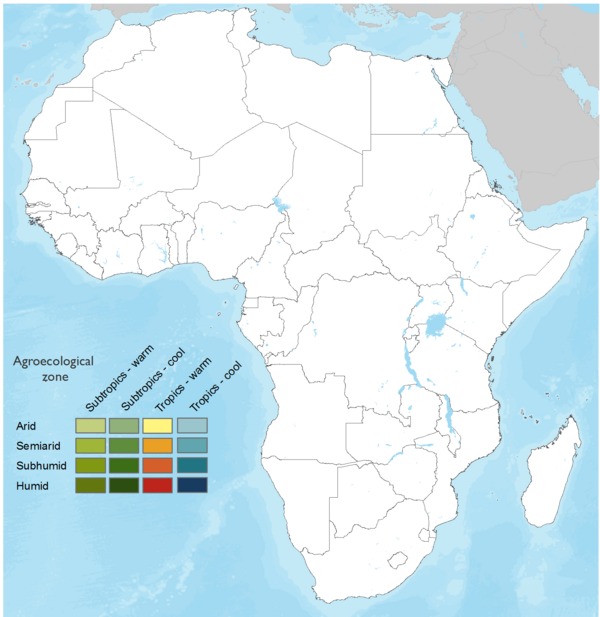
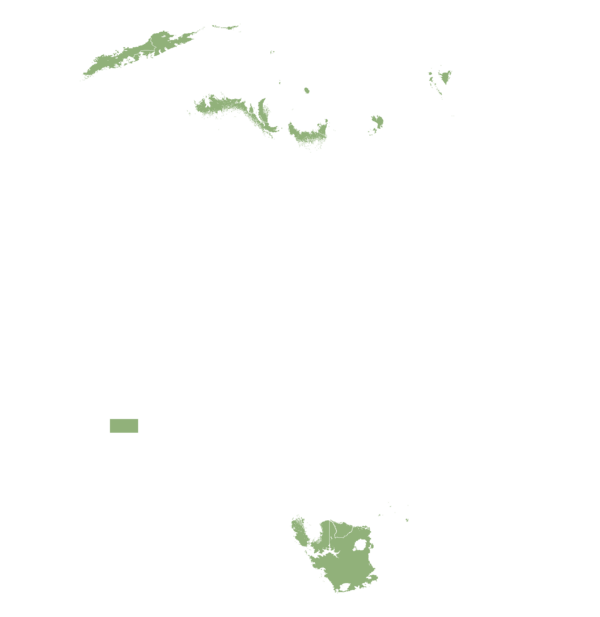
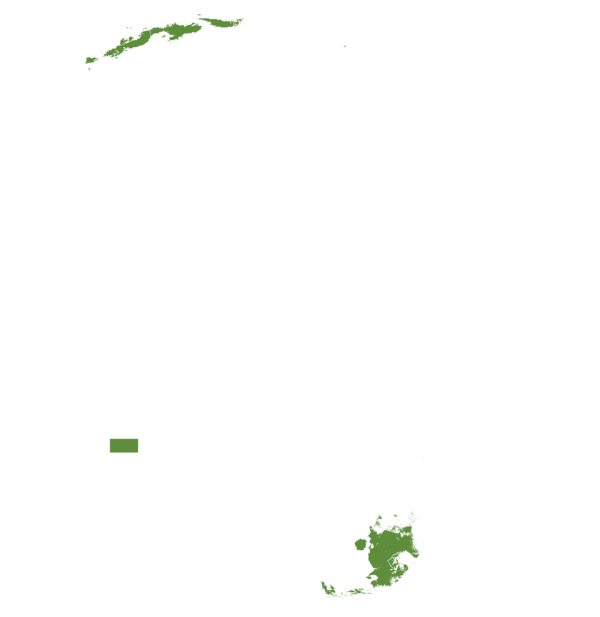
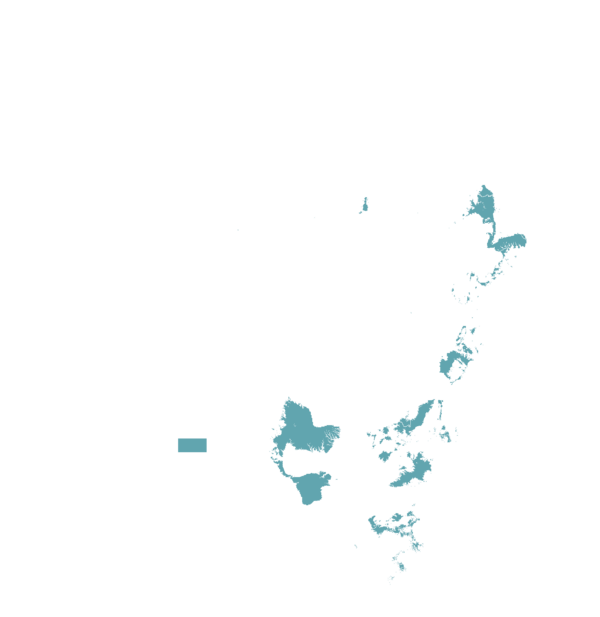
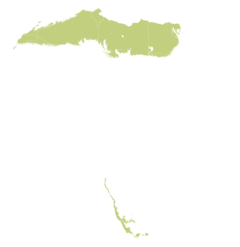
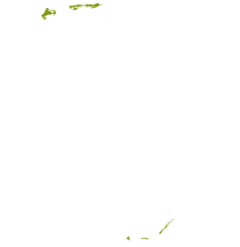
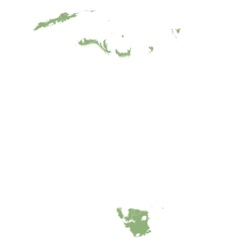
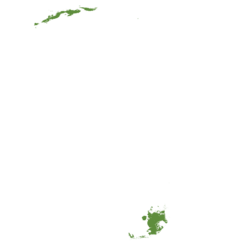
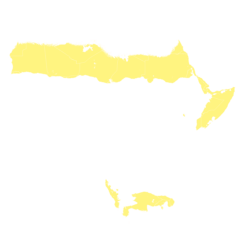
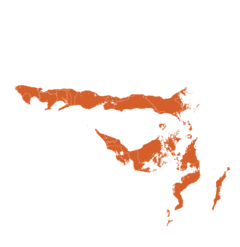
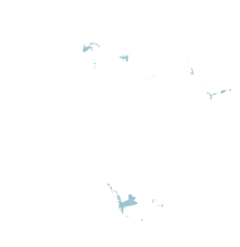
This technology can be used in the colored agro-ecological zones. Any zones shown in white are not suitable for this technology.




| AEZ | Subtropic - warm | Subtropic - cool | Tropic - warm | Tropic - cool |
|---|---|---|---|---|
| Arid | ||||
| Semiarid | ||||
| Subhumid | – | – | ||
| Humid | – | – | – | – |
Source: HarvestChoice/IFPRI 2009
The United Nations Sustainable Development Goals that are applicable to this technology.
Last updated on Sep 21, 2026
This technology can be used in the colored agro-ecological zones.





DTMA & WEMA: Drought Tolerant Maize Varieties and Water Efficient Maize Varieties
https://taat.africa/gov/technologies/dtma-wema-drought-tolerant-maize-varieties-and-water-efficient-maize-varieties
Last updated on 21 September 2026, printed on Oct 9, 2026
Enquiries e-catalogs@taat.africa