TAAT e-catalog
for
government
https://taat.africa/gov/technologies/precision-fertilizer-micro-dosing-for-millet-and-sorghum-yield-enhancement
Smarter Fertilizer, Stronger Crops: Maximize Growth with Minimal Input
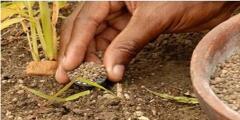
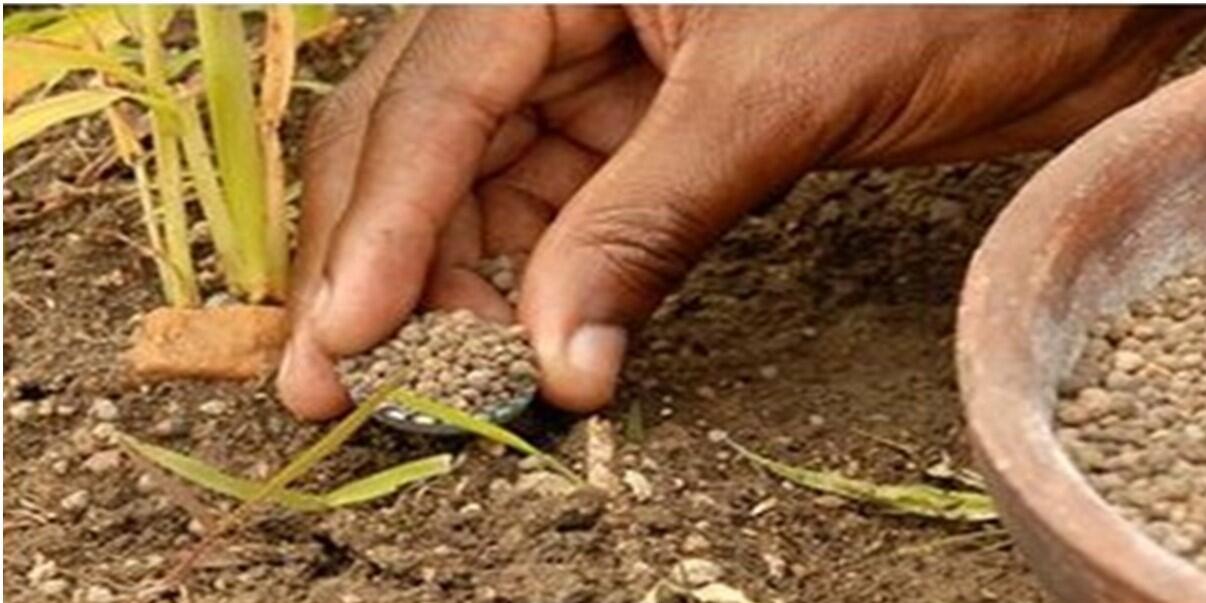
The Fertilizer Micro-Dosing for Enhanced Yield and Efficiency Technology is a practice that involves applying small amounts of fertilizer in shallow holes at the base of each plant. This precise method is low-risk, affordable, and efficient.
This technology is TAAT1 validated.
Adults 18 and over: Positive high
Adults engaged in agriculture experience increased crop productivity and income due to micro-dosing, leading to improved livelihoods.
The poor: Positive high
Micro-dosing is cost-effective, reduces fertilizer costs and increases yields, directly benefiting low-income farmers by improving food security and income.
Under 18: Positive medium
While children are not directly involved in farming, micro-dosing enhances household food security and nutrition, leading to better health outcomes for children.
Women: Positive medium
Micro-dosing is accessible and manageable for women farmers, enhancing their agricultural productivity and economic independence.
Climate adaptability: Highly adaptable
This practice is a climate-smart agriculture practice that improves crop resilience to climate variability by ensuring optimal nutrient availability, leading to better growth under changing climatic conditions.
Farmer climate change readiness: Significant improvement
Micro-dosing equips farmers with a cost-effective strategy to maintain productivity amid climate challenges, promoting sustainable farming practices.
Biodiversity: Positive impact on biodiversity
Reduced chemical runoff from micro-dosing supports healthier ecosystems, indirectly benefiting biodiversity. Minimizing excessive fertilizer use through micro-dosing helps maintain soil and water quality, fostering environments where diverse species can thrive.
Carbon footprint: A bit less carbon released
Optimizing fertilizer application reduces the need for excessive production and application, thereby decreasing associated carbon emissions.
Environmental health: Greatly improves environmental health
Targeted fertilizer application reduces the potential for pollutants to enter ecosystems, safeguarding environmental quality.
Soil quality: Improves soil health and fertility
Micro-dosing improves soil health by maintaining balanced nutrient levels and avoiding the adverse effects of over-fertilization.
Water use: Same amount of water used
Healthier plants resulting from adequate nutrition may utilize water more effectively, though direct impacts on water use are secondary.
Addressing nutrient deficiencies in millet and sorghum, Micro-Dosing offers a low-risk, precise fertilizer application, fostering rapid crop growth. This gender-sensitive approach potentially benefits women and reduces environmental impact, aligning with climate-smart practices. Overall, it enhances agricultural efficiency, reducing poverty and promoting well-being.
To integrate this technology into your project, create a list of project activities and prerequisites, including:
Identifying the fertilizer specific to the crop,
Raising awareness with farmers about the benefits of fertilizer micro-dosing technology,
- Estimate the quantity of fertilizer needed for your project knowing that the total amount of fertilizer used in micro-dosing varies depending on the crop type and planting density. Millet grown at 16,666 plants per ha requires about 50 kg of fertilizer. Sorghum cultivated at a density of 26,666 plants per ha requires about 100 kg of fertilizer per ha. Applying compound fertilizer NPK (15-15-15) at a rate of 60 kg ha-1 is equivalent to 6 g per plant/hill, and DAP (18-46-0) at a rate of 20 kg ha-1 corresponds to 2 g per plant/hill.
- As the technology is adopted in Chad, Ethiopia, Kenya, Sudan, Tanzania, Burkina Faso, Mali, Niger, Nigeria, Senegal, Zimbabwe, include the delivery cost to the project site and account for import clearance and duties if relevant.
Training may be crucial, and a team of trainers could provide support during project installation, including costs for training and post-training support. Develop communication materials like flyers, videos, and radio broadcasts.
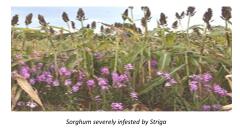
For optimal results, associate this technology with varieties for Better Nutrition and Stress Resistance Dual-purpose Varieties for Crop and Livestock Integration Proactive Management of Striga Infestation.
Collaborate with agricultural development institutes and fertilizer distribution companies for successful technology implementation.
Open source / open access
Scaling Readiness describes how complete a technology's development is and its ability to be scaled. It produces a score that measures a technology's readiness along two axes: the level of maturity of the idea itself, and the level to which the technology has been used so far.
Each axis goes from 0 to 9 where 9 is the “ready-to-scale” status. For each technology profile in the e-catalogs we have documented the scaling readiness status from evidence given by the technology providers. The e-catalogs only showcase technologies for which the scaling readiness score is at least 8 for maturity of the idea and 7 for the level of use.
The graph below represents visually the scaling readiness status for this technology, you can see the label of each level by hovering your mouse cursor on the number.
Read more about scaling readiness ›
Uncontrolled environment: tested
Common use by projects NOT connected to technology provider
| Maturity of the idea | Level of use | |||||||||
| 9 | ||||||||||
| 8 | ||||||||||
| 7 | ||||||||||
| 6 | ||||||||||
| 5 | ||||||||||
| 4 | ||||||||||
| 3 | ||||||||||
| 2 | ||||||||||
| 1 | ||||||||||
| 1 | 2 | 3 | 4 | 5 | 6 | 7 | 8 | 9 | ||
| Project | Countries | Beneficiaries | Budget (USD) & duration | Key figures |
|---|---|---|---|---|
|
EFPP(AEFPF) Emergency Food Production Project (AEFPF) |
|
|
25.5 million 2022–2026 |
|
|
ENSURE Enabling Environments for Sustainable Regional Agriculture Extension |
|
|
13.14 million 2024–2027 |
|
|
SSEFPP-1 SSEFPP-1 Emergency Food Production Plan |
|
|
8.1 million 2022–2023 |
|
Figures in italic are from project plans and may change during implementation.
| Country | Testing ongoing | Tested | Adopted |
|---|---|---|---|
| Burkina Faso | –No ongoing testing | Tested | Adopted |
| Chad | –No ongoing testing | Tested | Adopted |
| Ethiopia | –No ongoing testing | Tested | Adopted |
| Kenya | –No ongoing testing | Tested | Adopted |
| Mali | –No ongoing testing | Tested | Adopted |
| Niger | –No ongoing testing | Tested | Adopted |
| Nigeria | –No ongoing testing | Tested | Adopted |
| Senegal | –No ongoing testing | Tested | Adopted |
| Sudan | –No ongoing testing | Tested | Adopted |
| Tanzania | –No ongoing testing | Tested | Adopted |
| Zimbabwe | –No ongoing testing | Tested | Adopted |
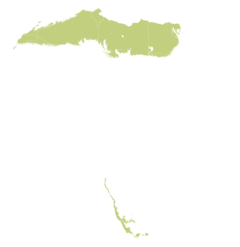
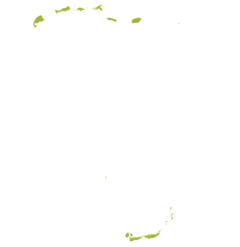
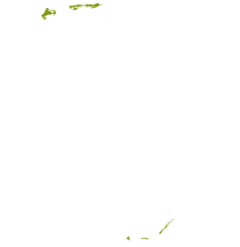
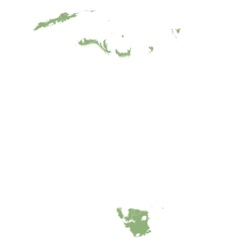
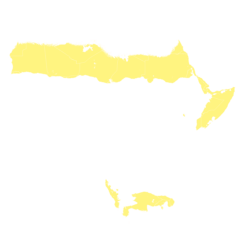
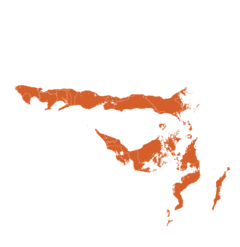
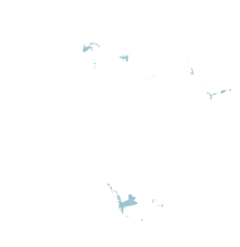
This technology can be used in the colored agro-ecological zones. Any zones shown in white are not suitable for this technology.
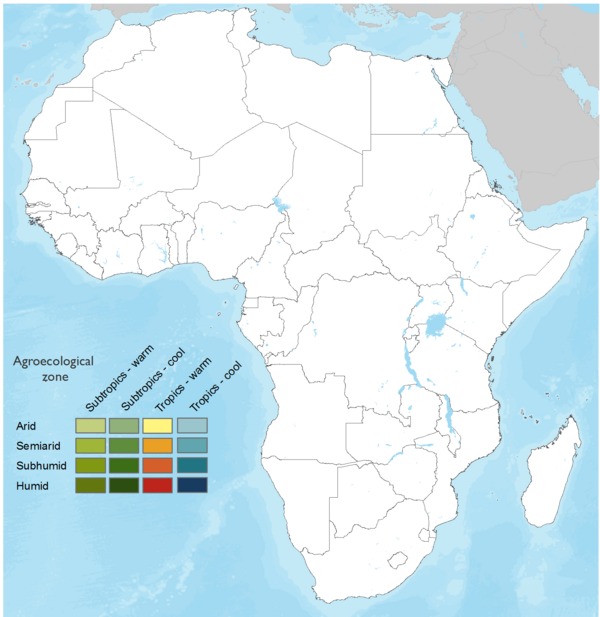


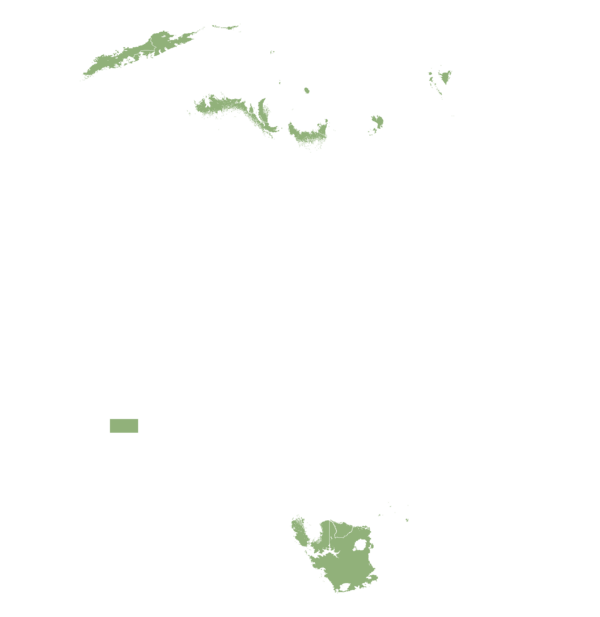


| AEZ | Subtropic - warm | Subtropic - cool | Tropic - warm | Tropic - cool |
|---|---|---|---|---|
| Arid | ||||
| Semiarid | – | – | ||
| Subhumid | – | – | ||
| Humid | – | – | – | – |
Source: HarvestChoice/IFPRI 2009
The United Nations Sustainable Development Goals that are applicable to this technology.
By enhancing crop yields, micro-dosing contributes to increased food production and improved food security. For instance, in Niger, combining micro-dosing with inventory credit schemes has increased household incomes by 34%, enabling better access to food resources.
Micro-dosing promotes efficient fertilizer use, reducing waste and minimizing environmental impact. This method uses about one-tenth of the fertilizer amount typically applied to wheat and one-twentieth of that used on corn in the U.S., illustrating its efficiency in nutrient utilization.

By improving nutrient use efficiency, micro-dosing reduces greenhouse gas emissions associated with fertilizer production and application, supporting climate change mitigation efforts. The fertilizer industry acknowledges its contribution to global GHG emissions and views the SDGs as a framework for promoting more sustainable production and application practices.
Procedure for implementing the technology of "Fertilizer Micro-Dosing to Enhance Yield and Use Efficiency":
1. Micro-dosing offers a low-risk strategy for farmers by using small and affordable quantities of inputs.
2. Fertilizer applied in shallow holes at the base of each plant is placed close to active roots, allowing crops to establish more quickly and absorb nutrients and water efficiently.
3. It decreases the investment costs of farmers and increases yield responses even with lower rates of fertilizer application.
4. Proportionally fewer nutrients from mineral inputs are lost to the environment.
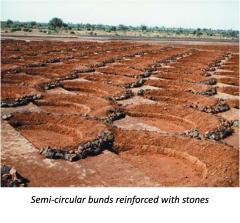
5. Combining micro-dosing with organic matter input, water harvesting, and contour bunding techniques enhances nutrient assimilation.
6. The technology is adaptable to various millet and sorghum growing areas in Sub-Saharan Africa, including drylands.
7. It is particularly suitable for resource-limited farmers working on degraded lands who cannot afford recommended amounts of mineral fertilizers.
Last updated on Sep 9, 2026
This technology can be used in the colored agro-ecological zones.



Precision Fertilizer Micro-Dosing for Millet and Sorghum Yield Enhancement
https://taat.africa/gov/technologies/precision-fertilizer-micro-dosing-for-millet-and-sorghum-yield-enhancement
Last updated on 9 September 2026, printed on Oct 9, 2026
Enquiries e-catalogs@taat.africa