TAAT e-catalog
for
government
https://taat.africa/gov/technologies/fast-growing-and-hybrid-african-catfish
Boosting Aquaculture with Resilient, Fast-Growing Catfish Hybrids
Fast Growing and Hybrid African Catfish" is developed to enhance freshwater farming in Sub-Saharan Africa. This technology involves the selective breeding and hybridization of two catfish species to create a superior hybrid offspring (Hetero-Clarias). The process of hybridization requires hormone-induced egg release in female catfish and the collection of seminal fluids from male catfish, subsequently combined to produce the hybrid.
This technology is TAAT1 validated.
Adults 18 and over: Positive high
The poor: Positive medium
Under 18: No impact
Women: Positive high
Climate adaptability: Highly adaptable
Farmer climate change readiness: Significant improvement
Biodiversity: No impact on biodiversity
Carbon footprint: Same amount of carbon released
Environmental health: Moderately improves environmental health
Soil quality: Does not affect soil health and fertility
Water use: Same amount of water used
Fast-growing and hybrid African catfish can help governments address shortages of quality fish seed, low aquaculture productivity, protein insecurity and unmet market demand. African catfish are resilient, widely consumed and suitable for intensive freshwater production, with potential annual yields of 6–16 tonnes/ha. Hybrids can increase production by 20–30% compared with non-hybrid breeds.
To integrate this technology into a government programme:
Prioritize aquaculture zones with reliable clean water, strong fish demand and flood-free sites suitable for ponds, cages or raceways.
Target certified hatcheries, small-scale and commercial farmers, cooperatives and processors, with inclusive access for women and low-income producers.
Strengthen certified hatcheries producing improved Clarias gariepinus, Heterobranchus bidorsalis and Hetero-Clarias hybrids to reduce dependence on wild eggs and poor-quality fingerlings.
Invest in broodstock, tanks, filtration, incubation equipment, nursery ponds, pumps, aeration, testing kits and waste-management systems.
Ensure reliable clean water and provide monitoring and aeration systems to maintain suitable temperature, pH and oxygen levels.
Train hatchery operators, farmers and extension agents in breeding, fingerling production, feeding, water-quality management, biosecurity and marketing.
Budget for fingerlings and feed: common fingerlings cost about US$0.12 each in Kenya; hybrids cost 2–2.5 times more. Feed costs approximately US$2,500 for 8,600 fast-growing fish in a one-hectare pond and US$3,500 for 10,000 hybrids.
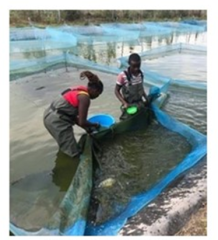
Use pond liners for water management and hapa nets for fingerling and nursery production where appropriate.
Partner with WorldFish, research institutes, certified hatcheries, extension services, regulators, laboratories, feed producers and financial institutions.
Track certified fingerling production, survival, growth, yield per hectare, feed conversion, production costs, farmer income, market volumes, water quality and participation by women and low-income producers.
Sustain adoption through commercial fingerling sales, private hatchery investment, trained extension teams, producer cooperatives, reliable feed supply, access to finance and stable market linkages.
The technology has been adopted in Benin, Cameroon, DRC, Côte d’Ivoire, Kenya, Malawi, Nigeria, Tanzania, Uganda and Zambia.
Feed inputs for 8600—10000 Catfish fingerlings
Open source / open access
Scaling Readiness describes how complete a technology\’s development is and its ability to be scaled. It produces a score that measures a technology\’s readiness along two axes: the level of maturity of the idea itself, and the level to which the technology has been used so far.
Each axis goes from 0 to 9 where 9 is the “ready-to-scale” status. For each technology profile in the e-catalogs we have documented the scaling readiness status from evidence given by the technology providers. The e-catalogs only showcase technologies for which the scaling readiness score is at least 8 for maturity of the idea and 7 for the level of use.
The graph below represents visually the scaling readiness status for this technology, you can see the label of each level by hovering your mouse cursor on the number.
Read more about scaling readiness ›
Semi-controlled environment: prototype
Common use by projects NOT connected to technology provider
| Maturity of the idea | Level of use | |||||||||
| 9 | ||||||||||
| 8 | ||||||||||
| 7 | ||||||||||
| 6 | ||||||||||
| 5 | ||||||||||
| 4 | ||||||||||
| 3 | ||||||||||
| 2 | ||||||||||
| 1 | ||||||||||
| 1 | 2 | 3 | 4 | 5 | 6 | 7 | 8 | 9 | ||
| Country | Testing ongoing | Tested | Adopted |
|---|---|---|---|
| Benin | –No ongoing testing | Tested | Adopted |
| Cameroon | –No ongoing testing | Tested | Adopted |
| Côte d’Ivoire | –No ongoing testing | Tested | Adopted |
| Democratic Republic of the Congo | –No ongoing testing | Tested | Adopted |
| Kenya | –No ongoing testing | Tested | Adopted |
| Malawi | –No ongoing testing | Tested | Adopted |
| Nigeria | –No ongoing testing | Tested | Adopted |
| Tanzania | –No ongoing testing | Tested | Adopted |
| Uganda | –No ongoing testing | Tested | Adopted |
| Zambia | –No ongoing testing | Tested | Adopted |
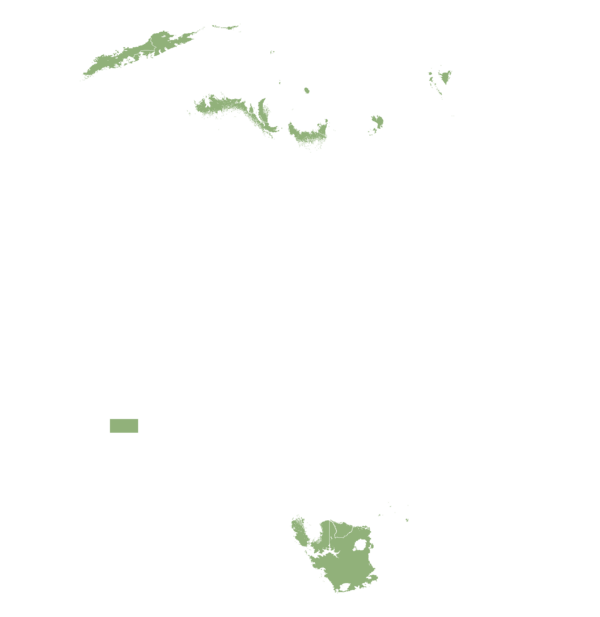
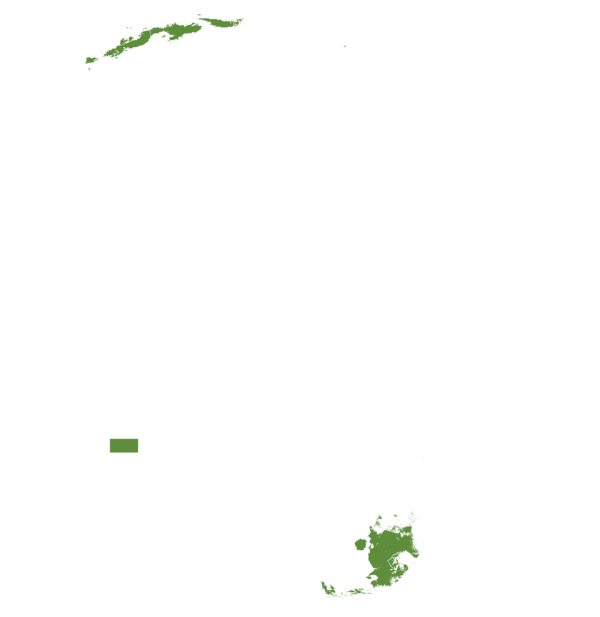
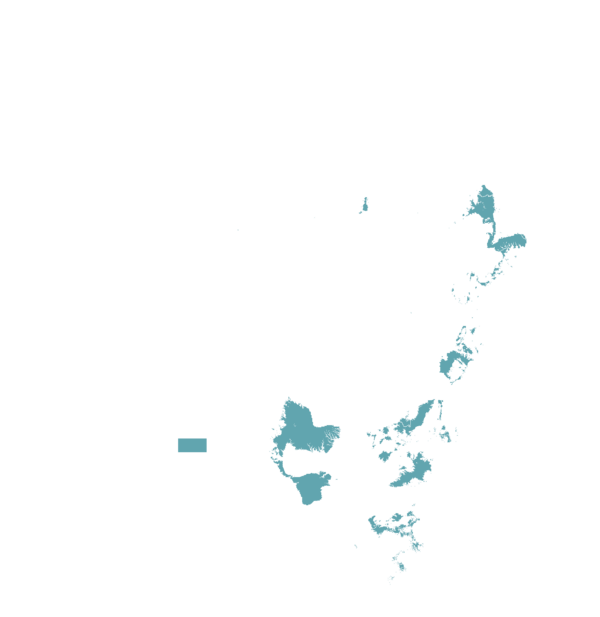
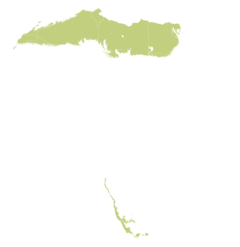
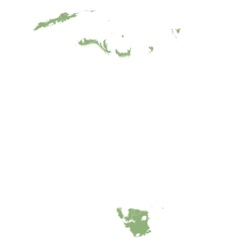
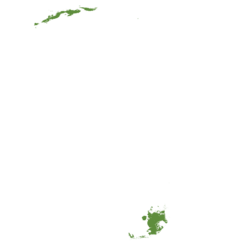
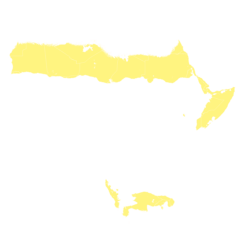
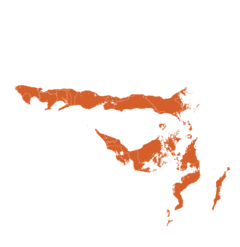
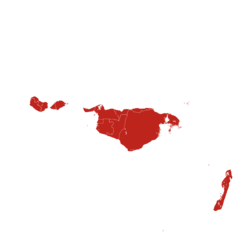
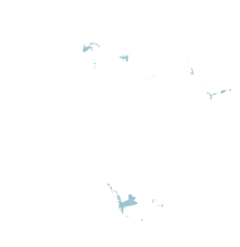
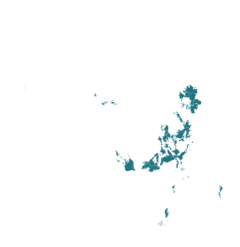
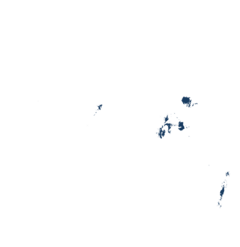
This technology can be used in the colored agro-ecological zones. Any zones shown in white are not suitable for this technology.
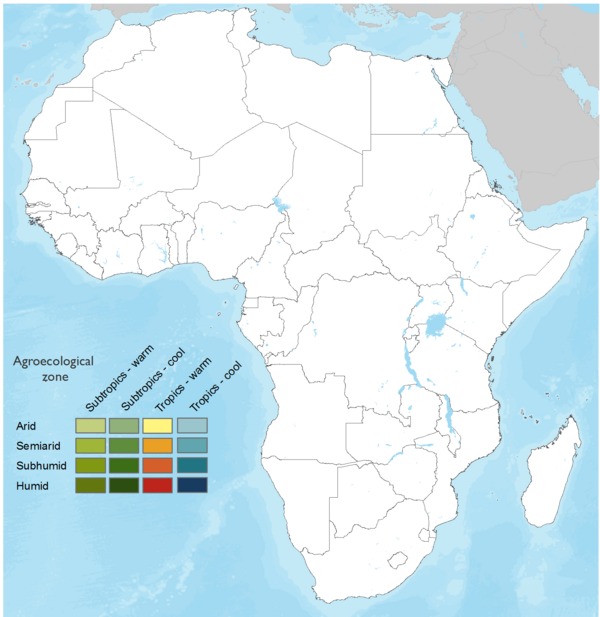









| AEZ | Subtropic - warm | Subtropic - cool | Tropic - warm | Tropic - cool |
|---|---|---|---|---|
| Arid | ||||
| Semiarid | ||||
| Subhumid | ||||
| Humid |
Source: HarvestChoice/IFPRI 2009
The United Nations Sustainable Development Goals that are applicable to this technology.

Last updated on Jul 27, 2026
This technology can be used in the colored agro-ecological zones.









Fast Growing and Hybrid African Catfish
https://taat.africa/gov/technologies/fast-growing-and-hybrid-african-catfish
Last updated on 27 July 2026, printed on Aug 25, 2026
Enquiries e-catalogs@taat.africa