TAAT e-catalog
for
government
https://taat.africa/gov/technologies/life-plant-biostimulants-approach-to-produce-microbials-fertilizers
Bio-stimulant for free smallholders' access to biofertilizers to support enhanced plant yields!
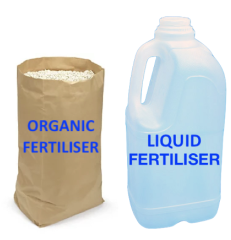
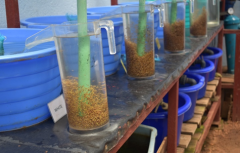
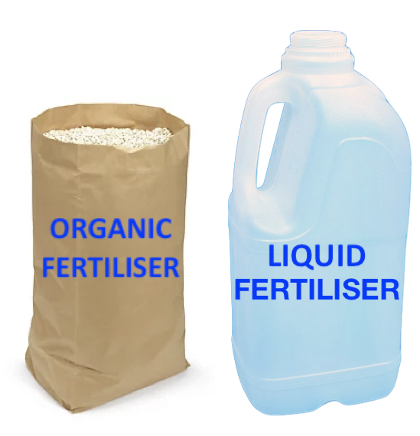
Lactobacillus Serum and Fish Hydrolysate are organic microbial fertilizers that enhance soil health, nutrient absorption, and crop productivity. These biostimulants, rich in amino acids, improve plant growth while being classified differently across countries based on regulatory frameworks.
This technology is not yet validated.
Adults 18 and over: Positive high
By improves crop yields and reduces reliance on expensive chemical fertilizers, leading to higher profits for farmers.
Others: Positive high
Its offer an affordable alternative to expensive chemical fertilizers, which is critical for smallholder farmers, particularly those in low-income households.
Under 18: Positive medium
By engaging in agricultural training programs and gain knowledge about sustainable farming practices, which can lead to skill development in agriculture.
Women: Positive medium
By accessing to new agricultural markets, improving their economic standing and enabling them to reinvest in their communities.
Climate adaptability: Highly adaptable
Plant biostimulants help crops better withstand environmental stresses such as drought, heat, and extreme weather conditions, making agriculture more adaptable to changing climates.
Farmer climate change readiness: Significant improvement
By improving crop resilience and productivity, biostimulants equip farmers to adapt to climate change impacts, such as unpredictable rainfall patterns and temperature fluctuations, which are becoming more frequent with climate change.
Biodiversity: Positive impact on biodiversity
By reducing dependency on chemical fertilizers and pesticides, this technology help preserve natural ecosystems and biodiversity.
Carbon footprint: A bit less carbon released
The use of biostimulants can reduce the need for synthetic fertilizers, which often release nitrous oxide, a potent greenhouse gas.
Environmental health: Greatly improves environmental health
By reducing the reliance on harmful chemicals, which can run off into water sources and harm local ecosystems.
Soil quality: Improves soil health and fertility
By promoting microbial activity, which restores soil organic matter and improves soil structure.
This approach enhances crop productivity, promotes soil health, and strengthens resilience to climate change. By improving soil microbial diversity, restoring soil organic matter, and balancing soil pH, which contributes to long-term soil health and productivity, it improves access to productivity-enhancing inputs for smallholder farmers, especially in regions with limited resources.
To successfully incorporate this approach into your project, the following activities and requirements should be considered:
In tandem with this technology, accompanying solutions include:
By incorporating these activities, Lifeworks Global's biostimulants technology can drive significant improvements in farm productivity, soil health, and climate resilience, contributing to sustainable agriculture and food security in smallholder farming systems.
No formal IP rights
Scaling Readiness describes how complete a technology's development is and its ability to be scaled. It produces a score that measures a technology's readiness along two axes: the level of maturity of the idea itself, and the level to which the technology has been used so far.
Each axis goes from 0 to 9 where 9 is the “ready-to-scale” status. For each technology profile in the e-catalogs we have documented the scaling readiness status from evidence given by the technology providers. The e-catalogs only showcase technologies for which the scaling readiness score is at least 8 for maturity of the idea and 7 for the level of use.
The graph below represents visually the scaling readiness status for this technology, you can see the label of each level by hovering your mouse cursor on the number.
Read more about scaling readiness ›
Controlled environment: model or early prototype
Used by some projects NOT connected to technology provider
| Maturity of the idea | Level of use | |||||||||
| 9 | ||||||||||
| 8 | ||||||||||
| 7 | ||||||||||
| 6 | ||||||||||
| 5 | ||||||||||
| 4 | ||||||||||
| 3 | ||||||||||
| 2 | ||||||||||
| 1 | ||||||||||
| 1 | 2 | 3 | 4 | 5 | 6 | 7 | 8 | 9 | ||
| Country | Testing ongoing | Tested | Adopted |
|---|---|---|---|
| Kenya | –No ongoing testing | Tested | Adopted |
| Malawi | –No ongoing testing | Tested | Adopted |
| Nigeria | –No ongoing testing | Tested | Adopted |
| Zambia | –No ongoing testing | Tested | Adopted |
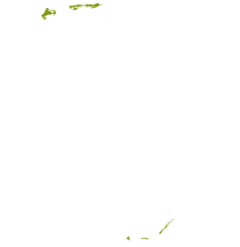
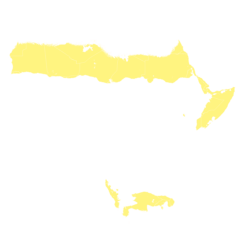
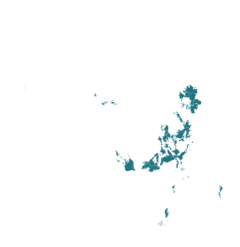
This technology can be used in the colored agro-ecological zones. Any zones shown in white are not suitable for this technology.
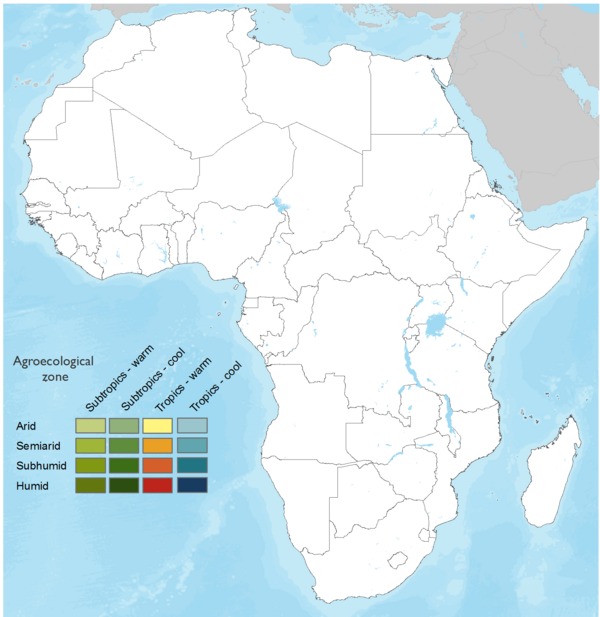





| AEZ | Subtropic - warm | Subtropic - cool | Tropic - warm | Tropic - cool |
|---|---|---|---|---|
| Arid | – | – | ||
| Semiarid | – | – | ||
| Subhumid | – | |||
| Humid | – | – | – | – |
Source: HarvestChoice/IFPRI 2009
The United Nations Sustainable Development Goals that are applicable to this technology.
By improving crop productivity, enhancing soil health, and increasing resilience to environmental stresses, it contribute to higher agricultural yields and food security, particularly in smallholder farming systems.
By reducing reliance on chemical fertilizers and promoting more sustainable farming practices, which can reduce the environmental impact of agriculture, such as soil degradation and chemical runoff.

By helping crops adapt to changing environmental conditions, such as droughts and heat, and reduces greenhouse gas emissions through decreased reliance on synthetic fertilizers.
Last updated on Sep 30, 2026
This technology can be used in the colored agro-ecological zones.




LIFE Plant Biostimulants: Approach to produce microbials fertilizers
https://taat.africa/gov/technologies/life-plant-biostimulants-approach-to-produce-microbials-fertilizers
Last updated on 30 September 2026, printed on Oct 9, 2026
Enquiries e-catalogs@taat.africa