TAAT e-catalog
for
government
https://taat.africa/gov/technologies/sop-standard-operating-procedure-for-tilapia-hatcheries
SOP for a productive, high value and market-oriented aquaculture sector.
Standard Operating Procedures (SOPs) are clear, step-by-step instructions that describe how to perform regular tasks in fish farming. These procedures help ensure that activities are done consistently and meet quality standards. SOPs focus on how tasks should be performed rather than just what needs to be done. For fish farming, SOPs cover important areas such as: - Daily Care: Routine husbandry practices that ensure the fish are well cared for. - Water Quality Management: Steps to maintain clean and healthy water for the fish. - Fish Health Management: Procedures to keep fish healthy and prevent disease
This technology is not yet validated.
Adults 18 and over: Positive high
The poor: Positive medium
Women: Positive medium
Climate adaptability: Highly adaptable
Farmer climate change readiness: Significant improvement
The existing hatcheries face a number of constraints mostly low production capacities mainly due to poor management of broodstocks, low survival rates of the produced fries/fingerlings, poor growth rates and others all due to non-existence of standard operating procedures that would facilitate improvement of the mentioned constraints.
The Standard Operating Procedure (SOP) for Tilapia Hatcheries provides a standardized management framework that improves the production of high-quality tilapia fry and fingerlings. By strengthening broodstock management, hatchery operations, seed quality, and business management practices, the technology increases production efficiency, improves survival and growth rates, and strengthens the reliability of aquaculture value chains. It is well suited for aquaculture development, food security, private sector development, and blue economy programmes, contributing to SDGs 1 (No Poverty), 2 (Zero Hunger), 8 (Decent Work and Economic Growth), and 14 (Life Below Water). The technology creates opportunities for women and youth through hatchery management, fingerling production, aquaculture advisory services, and fish enterprise development.
To successfully integrate this technology, consider the following key actions :
Open source / open access
Scaling Readiness describes how complete a technology's development is and its ability to be scaled. It produces a score that measures a technology's readiness along two axes: the level of maturity of the idea itself, and the level to which the technology has been used so far.
Each axis goes from 0 to 9 where 9 is the “ready-to-scale” status. For each technology profile in the e-catalogs we have documented the scaling readiness status from evidence given by the technology providers. The e-catalogs only showcase technologies for which the scaling readiness score is at least 8 for maturity of the idea and 7 for the level of use.
The graph below represents visually the scaling readiness status for this technology, you can see the label of each level by hovering your mouse cursor on the number.
Read more about scaling readiness ›
Uncontrolled environment: validated
Common use by projects connected to technology providers
| Maturity of the idea | Level of use | |||||||||
| 9 | ||||||||||
| 8 | ||||||||||
| 7 | ||||||||||
| 6 | ||||||||||
| 5 | ||||||||||
| 4 | ||||||||||
| 3 | ||||||||||
| 2 | ||||||||||
| 1 | ||||||||||
| 1 | 2 | 3 | 4 | 5 | 6 | 7 | 8 | 9 | ||
| Country | Testing ongoing | Tested | Adopted |
|---|---|---|---|
| Egypt | –No ongoing testing | –Not tested | Adopted |
| Rwanda | –No ongoing testing | Tested | Adopted |
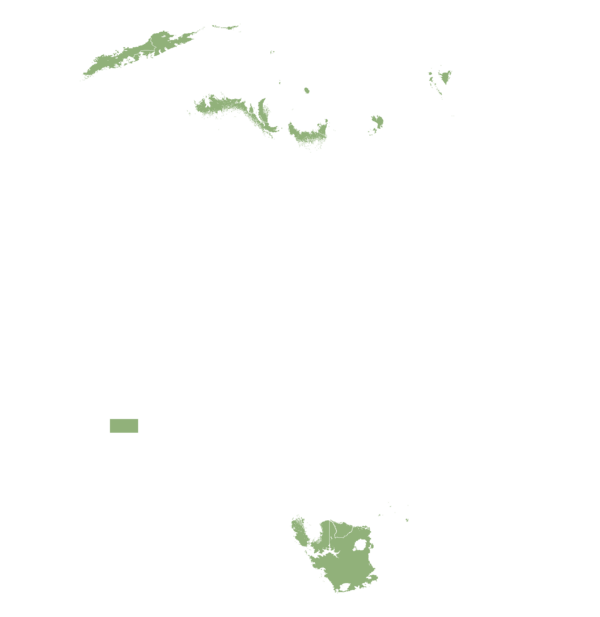
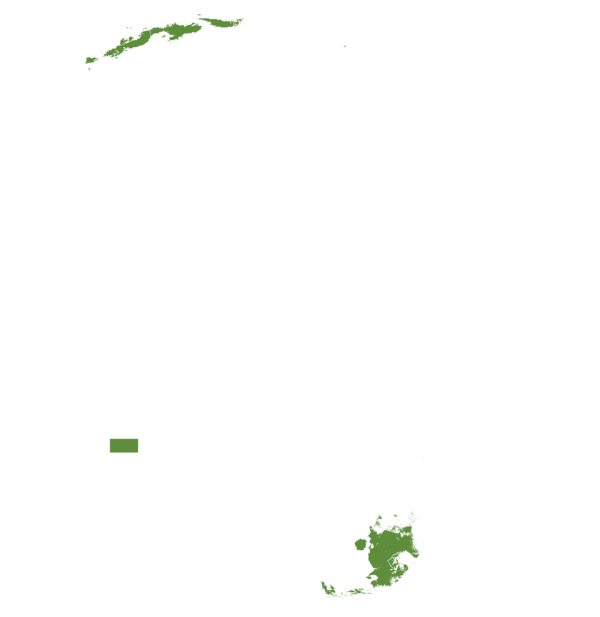
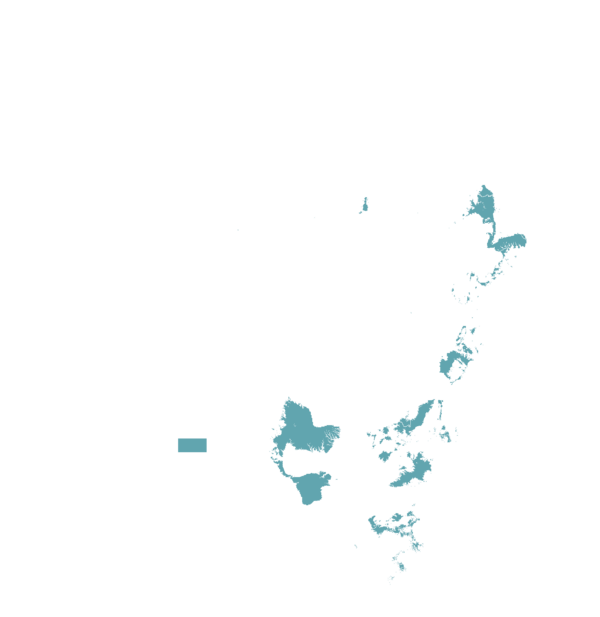
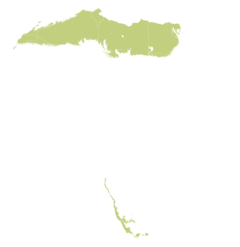
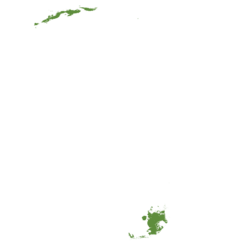
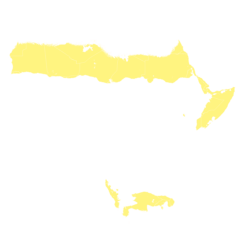
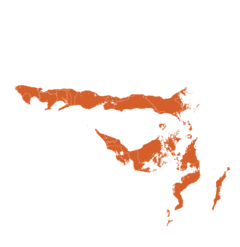
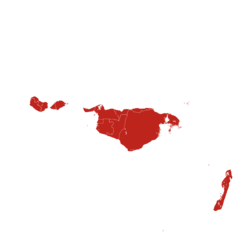
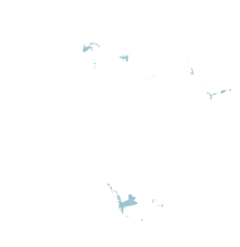
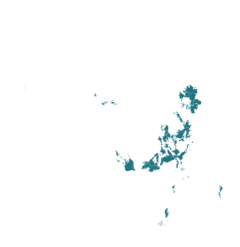
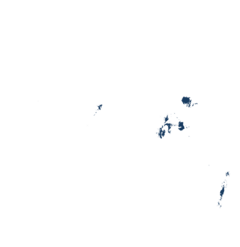
This technology can be used in the colored agro-ecological zones. Any zones shown in white are not suitable for this technology.
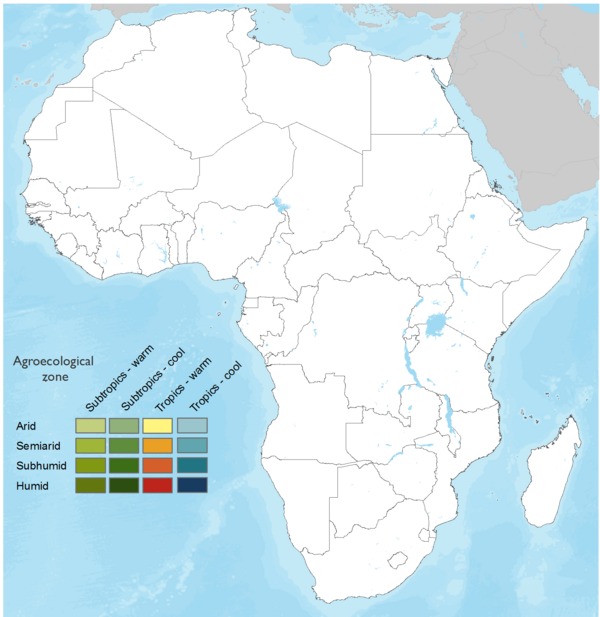









| AEZ | Subtropic - warm | Subtropic - cool | Tropic - warm | Tropic - cool |
|---|---|---|---|---|
| Arid | ||||
| Semiarid | ||||
| Subhumid | ||||
| Humid |
Source: HarvestChoice/IFPRI 2009
The United Nations Sustainable Development Goals that are applicable to this technology.


The success of a tilapia hatchery, first and foremost, depends on the proper selection of the site. This is especially true for newly planned hatcheries. When selecting a proper site for a tilapia hatchery, the following factors should be considered.
Hatchery operations would be smooth if accessibility and availability of logistics and manpower are planned carefully at the beginning. The following are suggestions of key factors that must be considered.
Last updated on Sep 9, 2026
This technology can be used in the colored agro-ecological zones.










SOP: Standard Operating Procedure for Tilapia hatcheries
https://taat.africa/gov/technologies/sop-standard-operating-procedure-for-tilapia-hatcheries
Last updated on 9 September 2026, printed on Oct 9, 2026
Enquiries e-catalogs@taat.africa