Logo
TAAT e-catalog for government
https://taat.africa/gov/technologies/thermostable-vaccine-against-ppr-disease
Request information View pitch brochure

Thermostable vaccine against PPR disease

Reliable, Effective, and Accessible Disease Control for Small Ruminants.

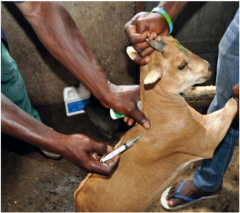
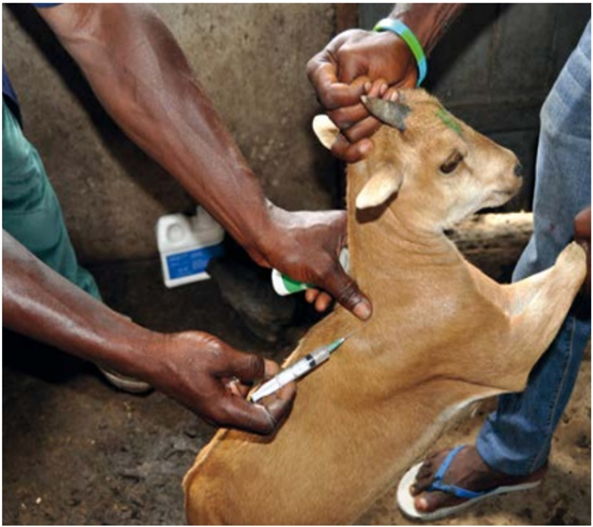
The solution is a homologous live attenuated vaccine that effectively guards small ruminants against Peste des Petits Ruminants (PPR). The vaccine is proven to remain stable at ambient temperatures for extended periods, even withstanding spikes of 38°C for 9 days and 40°C for 7 days.
2

This technology is TAAT1 validated.

8•7

Scaling readiness: idea maturity 8/9; level of use 7/9

Project adoption1

Technology integrated in the ENSURE project.
See project details ›

Adults 18 and over: Positive high

Others: No impact

The poor: Positive low

Under 18: Positive low

Women: Positive medium

Climate adaptability: Highly adaptable

Farmer climate change readiness: Significant improvement

Biodiversity: Positive impact on biodiversity

Environmental health: Moderately improves environmental health

Water use: Same amount of water used

Problem

  • High PPR mortality: PPR can cause substantial mortality among sheep and goats and undermine small ruminant production.
  • Limited cold chain infrastructure: Many vaccination areas may face constraints in maintaining the refrigeration required for conventional vaccines.
  • Restricted campaign coverage: Cold chain requirements can limit the geographical and operational coverage of vaccination campaigns.
  • Difficult vaccine distribution: Maintaining appropriate temperatures during storage and transportation can complicate vaccination logistics.
  • Disease surveillance challenges: Effective PPR control requires surveillance of animal movements, outbreaks and high risk areas.
  • Need for coordinated disease control: Controlling a rapidly spreading disease requires vaccination combined with outbreak reporting, quarantine and biosecurity measures.
  • Economic burden of outbreaks: PPR related animal losses can negatively affect livestock based livelihoods and agricultural economies.
  • Difficulty reaching remote populations: Remote livestock populations may remain insufficiently protected when vaccination depends heavily on cold chain infrastructure.

Solution

  • Thermostable vaccination: The vaccine remains stable at ambient temperatures for extended periods, including documented exposure to 38°C for 9 days and 40°C for 7 days.
  • Reduced cold chain dependence: Greater temperature stability can simplify vaccine storage and distribution in areas with limited refrigeration infrastructure.
  • Expanded vaccination coverage: Easier handling and transportation can facilitate vaccination of more animals across wider areas.
  • Improved disease control: Effective vaccination helps reduce PPR transmission and mortality among sheep and goats.
  • Reduced economic losses: Preventing PPR outbreaks can protect livestock production and reduce disease related economic losses.
  • Better access to remote populations: Reduced refrigeration constraints can facilitate vaccination in harder to reach livestock production areas.
  • Support for disease eradication: Wider and more reliable vaccination coverage can contribute to broader PPR control and eradication efforts.
  • Complementary disease management: The vaccine can be deployed alongside surveillance, outbreak reporting, animal movement monitoring, quarantine and biosecurity measures.

Key points to design your project

The technology reduces economic losses and poverty among small ruminant farmers by preventing PPR outbreaks and enhancing food security. It improves animal health, reduces disease spread, and fosters economic growth in the agricultural sector. Additionally, its innovation in vaccine technology promotes sustainability and contributes to climate action efforts.

To incorporate this technology into your project, the following steps and considerations are recommended:

  • Ensure the availability and affordability of thermostable vaccines for small ruminant producers.
  • Educate producers about the advantages of PPR vaccination and ensure their willingness to invest in vaccine administration.
  • Encourage adherence to instructions provided by animal health professionals regarding vaccine administration.
  • Provide training and certification to animal health professionals in accordance with national regulatory standards to ensure proficient vaccine administration.
  • Ensure vaccine quality meets national or regional standards to achieving good immunity of herds
  • Calculate the required quantity of products needed for your project based on an initial cost ranging from 0.3-0.5 USD per animal. Consider additional expenses such as delivery costs, import clearance, and duties, particularly if the technology is sourced from other countries.

A team of trainers can offer support and training during the installation phase of the project. Budget for training and post-training support for utilizing the technology effectively.

Consider collaborating with agricultural development institutes to facilitate the implementation of the technology within your country.

IP

Open source / open access

Scaling Readiness describes how complete a technology's development is and its ability to be scaled. It produces a score that measures a technology's readiness along two axes: the level of maturity of the idea itself, and the level to which the technology has been used so far.

Each axis goes from 0 to 9 where 9 is the “ready-to-scale” status. For each technology profile in the e-catalogs we have documented the scaling readiness status from evidence given by the technology providers. The e-catalogs only showcase technologies for which the scaling readiness score is at least 8 for maturity of the idea and 7 for the level of use.

The graph below represents visually the scaling readiness status for this technology, you can see the label of each level by hovering your mouse cursor on the number.

Read more about scaling readiness ›

Scaling readiness score of this technology

Maturity of the idea 8 out of 9

Uncontrolled environment: tested

Level of use 7 out of 9

Common use by projects NOT connected to technology provider

Maturity of the idea Level of use
9
8
7
6
5
4
3
2
1
1 2 3 4 5 6 7 8 9

Project Countries Beneficiaries Budget (USD) & duration Key figures
ENSURE
Enabling Environments for Sustainable Regional Agriculture Extension
  • Kenya
  • Rwanda
  • Burundi
  • Democratic Republic of the Congo
  • South Sudan
  • Uganda
  • Tanzania
  • Direct: 3,000,000    

13.14 million

2024–2027

  • 149,940 farmers trained
  • 9,996 Training
  • 2→3.5 tons/ha cereals production expected
  • 350 agent trained 

Figures in italic are from project plans and may change during implementation.

Countries with a green colour
Tested & adopted
Countries with a bright green colour
Adopted
Countries with a yellow colour
Tested
Countries with a blue colour
Testing ongoing
Egypt Equatorial Guinea Ethiopia Algeria Angola Benin Botswana Burundi Burkina Faso Democratic Republic of the Congo Djibouti Côte d’Ivoire Eritrea Gabon Gambia Ghana Guinea Guinea-Bissau Cameroon Kenya Libya Liberia Madagascar Mali Malawi Morocco Mauritania Mozambique Namibia Niger Nigeria Republic of the Congo Rwanda Zambia Senegal Sierra Leone Zimbabwe Somalia South Sudan Sudan South Africa Eswatini Tanzania Togo Tunisia Chad Uganda Western Sahara Central African Republic Lesotho
Countries where the technology is being tested or has been tested and adopted
Country Testing ongoing Tested Adopted
Mali –No ongoing testing Tested Adopted

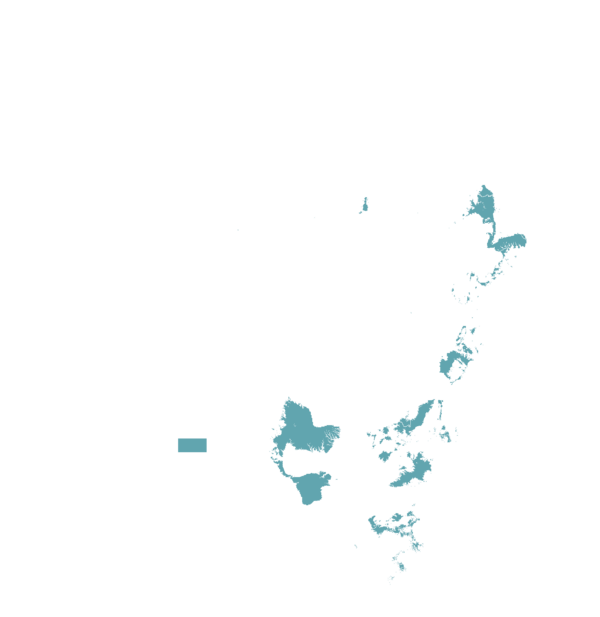
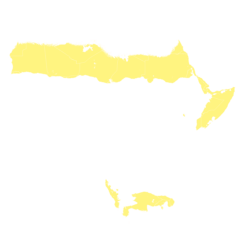
This technology can be used in the colored agro-ecological zones. Any zones shown in white are not suitable for this technology.
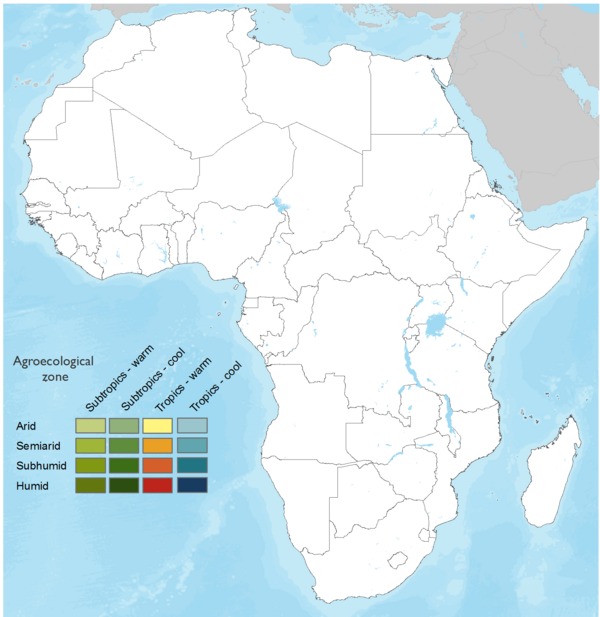
Agro-ecological zones where this technology can be used
AEZ Subtropic - warm Subtropic - cool Tropic - warm Tropic - cool
Arid
Semiarid
Subhumid
Humid

Source: HarvestChoice/IFPRI 2009

The United Nations Sustainable Development Goals that are applicable to this technology.

Sustainable Development Goal 1: no poverty
Goal 1: no poverty
Sustainable Development Goal 2: zero hunger
Goal 2: zero hunger
Sustainable Development Goal 3: good health and well-being
Goal 3: good health and well-being
Sustainable Development Goal 8: decent work and economic growth
Goal 8: decent work and economic growth
Sustainable Development Goal 9: industry, innovation and infrastructure
Goal 9: industry, innovation and infrastructure
Sustainable Development Goal 12: responsible production and consumption
Goal 12: responsible production and consumption
Sustainable Development Goal 13: climate action
Goal 13: climate action

  1. Report outbreaks of PPR to national veterinary authorities as PPR is a notifiable disease.
  2. Implement disease surveillance considering animal movement, farm quarantine, and identification of high-risk areas.
  3. Source vaccines from reliable suppliers and ensure proper cold chain management.
  4. Administer vaccines through trained and certified vaccinators, ensuring correct dosage.
  5. Monitor vaccinated animals for signs of immunity and address any concerns promptly.

Last updated on Oct 1, 2026