Logo
TAAT e-catalog for government
https://taat.africa/gov/technologies/integrated-soil-salinity-leaching-system-natural-saline-and-alkaline-soil-restoration-system
Request information View pitch brochure

Integrated Soil Salinity Leaching System: Natural Saline and Alkaline Soil Restoration System

ISSLS, Naturally restoring salt-affected and alkaline farmland for Egyptian smallholder farmers!

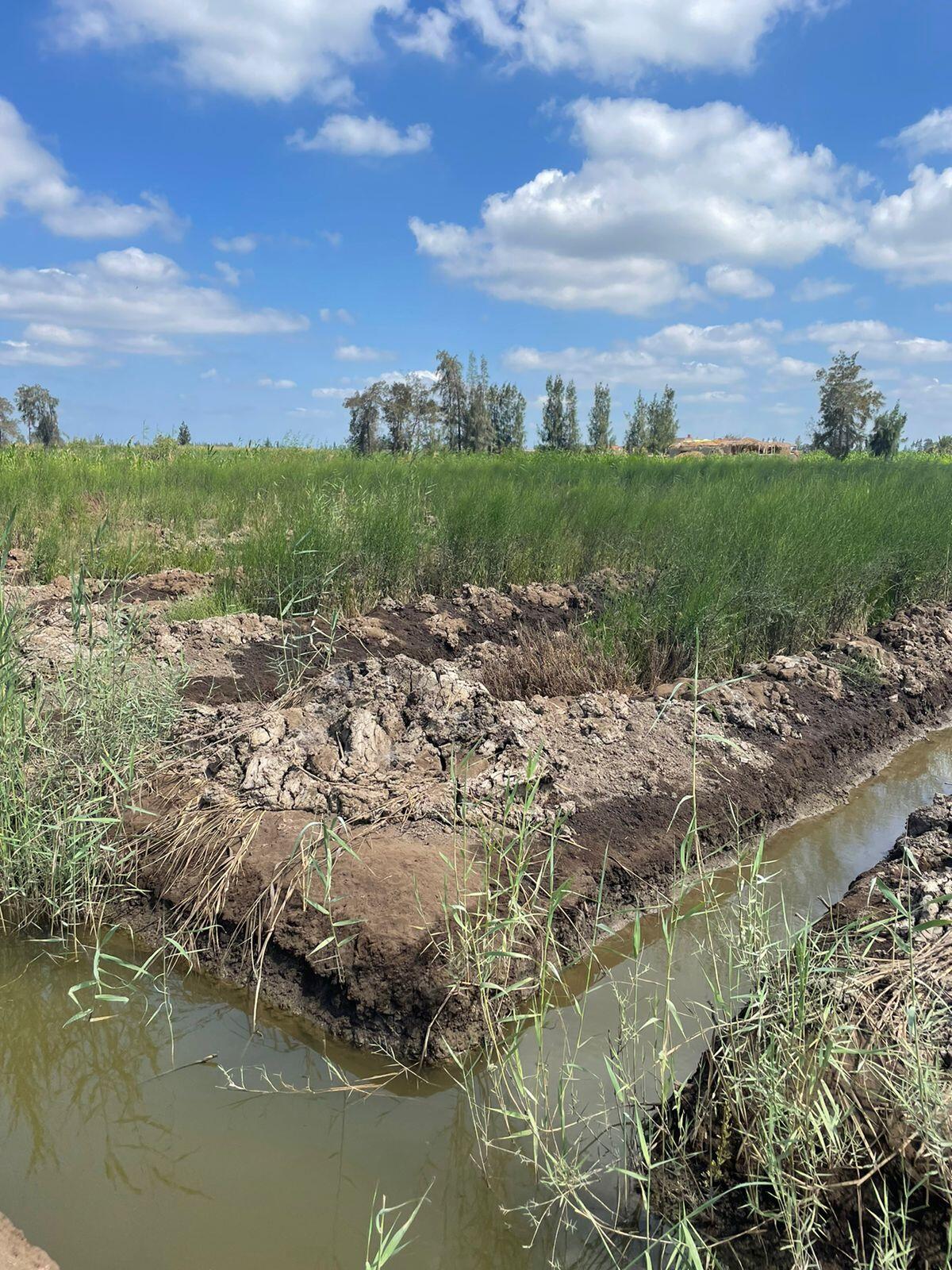
The Natural Saline and Alkaline Soil Restoration System is a nature-based technology designed to restore salt-affected and alkaline farmland through an integrated network of irrigation ditches and drainage channels. The system removes excess salts from the root zone using the natural flow of water through the soil without chemical amendments. It supports the restoration of degraded agricultural land, promotes sustainable land and water management, and improves the long-term productivity of affected
2

This technology is not yet validated.

9•2

Scaling readiness: idea maturity 9/9; level of use 2/9

Positive impacts: 8

Target Groups Positive Impacts
Women smallholder farmers in salt-affected areas
  • Restored salt-affected and alkaline farmland, improving crop productivity.
  • Reduced production costs through chemical-free soil restoration.
  • Improved water management, supporting more reliable agricultural production.
  • Increased household food production and income through integrated rice, fish, and azolla farming.
Youth smallholder farmers in salt-affected areas
  • Restored degraded farmland, improving long-term agricultural productivity.
  • Reduced reliance on costly chemical soil reclamation.
  • Improved resource-use efficiency through integrated irrigation and drainage systems.
  • Increased income opportunities through integrated rice, fish, and azolla production.
More...

Climate adaptability: Highly adaptable

Strengthens the resilience of farming systems by restoring degraded land, improving water management, and sustaining agricultural production under climate-related challenges.

Farmer climate change readiness: Moderate improvement

Improves farmers' resilience by restoring soil conditions, improving water management, and diversifying production through integrated rice, fish, and azolla farming.

Biodiversity: Positive impact on biodiversity

Promotes biodiversity by avoiding chemical soil reclamation and integrating fish and azolla into the farming system.

Carbon footprint: Same amount of carbon released

Reduces reliance on chemical soil reclamation by using natural soil restoration processes.

Environmental health: Greatly improves environmental health

Improves environmental health by reducing chemical inputs, restoring soil quality, and reusing drainage water for aquaculture.

Soil quality: Improves soil health and fertility

Restores soil quality by reducing salinity and alkalinity, improving long-term soil health and productivity.

Water use: Same amount of water used

Improves water-use efficiency by removing excess salts and reusing drainage water for aquaculture.

Problem

  • Declining agricultural productivity: Soil salinity and alkalinity affect about 35% of Egypt's cultivated land and 56% in Kafr El Sheikh.
  • Degraded agricultural land: Poor soil conditions limit the sustainable use of farmland.
  • High restoration costs: Dependence on chemical reclamation increases the cost of restoring degraded land.
  • Poor drainage and water management: Salt accumulation and inefficient water management limit sustainable land and water use.
  • Reduced agricultural potential: Salt-affected land limits national agricultural production and land-use efficiency.

Solution

  • Large-scale soil restoration: ISSLS restores salt-affected and alkaline farmland through integrated irrigation and drainage.
  • Improved land productivity: Restored soil conditions support the sustainable use of agricultural land.
  • Lower reclamation costs: Chemical-free restoration reduces dependence on costly soil amendments.
  • Sustainable water management: The system removes excess salts and supports drainage-water reuse.
  • Integration into public programmes: ISSLS can be integrated into soil restoration, irrigation, drainage, sustainable land management, and climate-resilience programmes.

Key points to design your project

ISSLS provides governments with a practical, nature-based solution for restoring salt-affected and alkaline farmland, improving agricultural productivity, and strengthening sustainable land and water management. By removing excess salts through an integrated irrigation and drainage system without chemical soil amendments, the technology restores degraded agricultural land while allowing crop production, fish farming, and azolla cultivation to continue during the restoration process. It contributes to SDG 2 (Zero Hunger), SDG 6 (Clean Water and Sanitation), SDG 13 (Climate Action), and SDG 15 (Life on Land).

  • Prioritize deployment in salt-affected and alkaline agricultural areas, particularly where poor drainage and salt accumulation reduce agricultural productivity.
  • Integrate ISSLS into national soil restoration, irrigation, drainage improvement, sustainable land management, and climate resilience programs.
  • Support farmer adoption through extension services, demonstration sites, and awareness campaigns on soil restoration, irrigation, drainage management, and integrated farming systems.
  • Promote the integration of rice cultivation, fish farming, and azolla production to maintain agricultural production while restoring degraded farmland and improving resource-use efficiency.
  • Establish partnerships with ICARDA, research institutions, extension agencies, water management authorities, farmer organizations, development partners, and the private sector to support implementation and scaling.
  • Monitor soil electrical conductivity (EC), soil pH, sodium adsorption ratio (SAR), land restored, agricultural productivity, water-use efficiency, and farmer adoption rates to evaluate impact and guide future investment.

IP

Open source / open access

Scaling Readiness describes how complete a technology's development is and its ability to be scaled. It produces a score that measures a technology's readiness along two axes: the level of maturity of the idea itself, and the level to which the technology has been used so far.

Each axis goes from 0 to 9 where 9 is the “ready-to-scale” status. For each technology profile in the e-catalogs we have documented the scaling readiness status from evidence given by the technology providers. The e-catalogs only showcase technologies for which the scaling readiness score is at least 8 for maturity of the idea and 7 for the level of use.

The graph below represents visually the scaling readiness status for this technology, you can see the label of each level by hovering your mouse cursor on the number.

Read more about scaling readiness ›

Scaling readiness score of this technology

Maturity of the idea 9 out of 9

Uncontrolled environment: validated

Level of use 2 out of 9

By the whole project team

Maturity of the idea Level of use
9
8
7
6
5
4
3
2
1
1 2 3 4 5 6 7 8 9

Positive impact 8

Target Groups Positive Impacts
Women smallholder farmers in salt-affected areas
  • Restored salt-affected and alkaline farmland, improving crop productivity.
  • Reduced production costs through chemical-free soil restoration.
  • Improved water management, supporting more reliable agricultural production.
  • Increased household food production and income through integrated rice, fish, and azolla farming.
Youth smallholder farmers in salt-affected areas
  • Restored degraded farmland, improving long-term agricultural productivity.
  • Reduced reliance on costly chemical soil reclamation.
  • Improved resource-use efficiency through integrated irrigation and drainage systems.
  • Increased income opportunities through integrated rice, fish, and azolla production.

Unintended impact 8

Target Groups Unintended Impacts Mitigation Measures
Women smallholder farmers in salt-affected areas
  • Limited financial resources may delay investment in irrigation and drainage infrastructure.
  • Household responsibilities may reduce participation in training and field activities.
  • Limited technical knowledge may affect the proper management of irrigation and drainage systems.
  • Unequal decision-making over farm investments may limit technology adoption.
  • Facilitate access to credit, subsidies, or cost-sharing mechanisms for infrastructure development.
  • Organize training at convenient times and locations for women farmers.
  • Provide practical training on irrigation, drainage, and soil restoration practices.
  • Promote gender-responsive extension services and inclusive household decision-making.
Youth smallholder farmers in salt-affected areas
  • Limited capital may discourage investment in irrigation and drainage infrastructure.
  • Limited technical knowledge may reduce the effectiveness of soil restoration practices.
  • Poor access to extension services may slow technology adoption.
  • Limited access to water management infrastructure may affect successful implementation.
  • Improve youth access to financing and affordable infrastructure support.
  • Provide practical training on soil restoration, irrigation, drainage, and integrated farming practices.
  • Expand youth-focused extension and advisory services.
  • Strengthen access to water management infrastructure through farmer organizations and development programs.

Barriers 8

Target Groups Barriers to Adoption Mitigation Measures
Women smallholder farmers in salt-affected areas
  • Limited financial resources to invest in irrigation and drainage infrastructure.
  • Limited access to technical training on soil restoration and water management.
  • Limited participation in extension activities due to household responsibilities.
  • Limited access to information on nature-based soil restoration technologies and their benefits.
  • Facilitate access to credit, subsidies, or cost-sharing mechanisms for infrastructure development.
  • Organize training at convenient times and locations for women farmers.
  • Strengthen extension services on soil restoration and water management.
  • Use women's groups and local extension services to raise awareness and share technical information.
Youth smallholder farmers in salt-affected areas
  • Limited capital to invest in irrigation and drainage infrastructure.
  • Limited technical knowledge of soil restoration and integrated water management.
  • Limited farming experience in managing salt-affected and alkaline soils.
  • Limited access to technical support and extension services.
  • Improve youth access to affordable financing and infrastructure support.
  • Provide practical training on soil restoration, irrigation, drainage, and integrated farming practices.
  • Link youth farmers to demonstration sites, farmer organizations, and agricultural service providers.
  • Expand youth-focused extension and advisory services.

Countries with a green colour
Tested & adopted
Countries with a bright green colour
Adopted
Countries with a yellow colour
Tested
Countries with a blue colour
Testing ongoing
Egypt Equatorial Guinea Ethiopia Algeria Angola Benin Botswana Burundi Burkina Faso The Democratic Republic of the Congo Djibouti Côte d'Ivoire Eritrea Gabon Gambia Ghana Guinea Guinea-Bissau Cameroon Kenya Libya Liberia Madagascar Mali Malawi Morocco Mauritania Mozambique Namibia Niger Nigeria Congo Rwanda Zambia Senegal Sierra Leone Zimbabwe Somalia South Sudan The Republic of the Sudan South Africa Eswatini Tanzania, United Republic Togo Tunisia Chad Uganda Western Sahara Central African Republic Lesotho
Countries where the technology is being tested or has been tested and adopted
Country Testing ongoing Tested Adopted
Egypt –No ongoing testing –Not tested Adopted

This technology can be used in the colored agro-ecological zones. Any zones shown in white are not suitable for this technology.
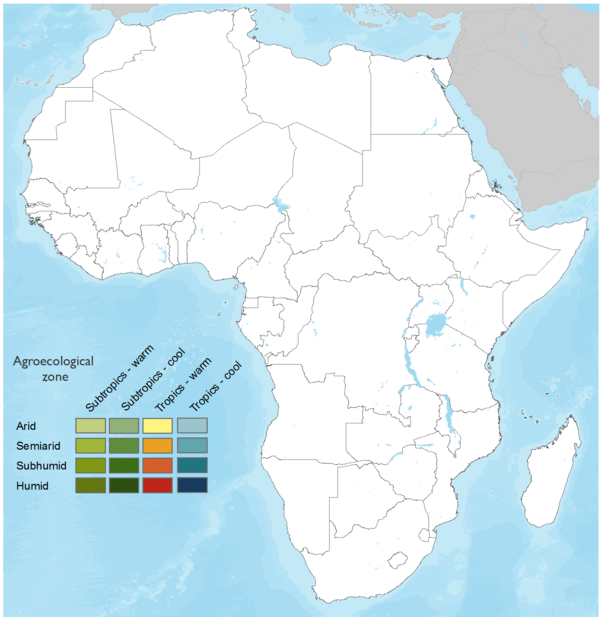
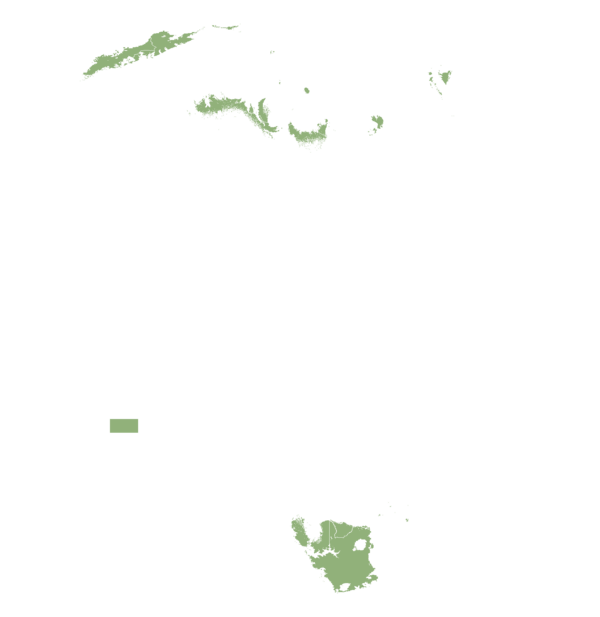
Agro-ecological zones where this technology can be used
AEZ Subtropic - warm Subtropic - cool Tropic - warm Tropic - cool
Arid – – –
Semiarid – – – –
Subhumid – – – –
Humid – – – –

Source: HarvestChoice/IFPRI 2009

The United Nations Sustainable Development Goals that are applicable to this technology.
Sustainable Development Goal 2: zero hunger
Goal 2: zero hunger

Restores degraded agricultural land while increasing diversified food production through integrated rice, fish, and azolla production.
Sustainable Development Goal 6: clean water and sanitation
Goal 6: clean water and sanitation

Improves water management and water-use efficiency by removing excess salts through integrated irrigation, drainage, and the reuse of drainage water for aquaculture.
Sustainable Development Goal 13: climate action
Goal 13: climate action

Strengthens the resilience of agricultural systems to climate-related challenges by restoring degraded land and improving water management.
Sustainable Development Goal 15: life on land
Goal 15: life on land

Restores salt-affected and degraded land by reducing soil salinity and alkalinity while improving long-term soil health and productivity.

The Natural Saline and Alkaline Soil Restoration System restores salt-affected and alkaline farmland through an integrated irrigation and drainage system. By following the steps below, farmers can remove excess salts from the root zone, continue agricultural production during the restoration process, and improve long-term soil productivity.

Step 1 – Assess the field

Assess the affected field by measuring soil salinity and identifying areas where salts have accumulated. Evaluate soil and water conditions to determine whether the field is suitable for the restoration process.

Step 2 – Establish the irrigation and drainage system

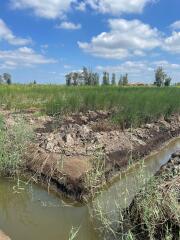
Construct an integrated network of irrigation ditches and drainage channels around and within the affected field. Apply good-quality irrigation water through the irrigation channels to dissolve accumulated salts and move them away from the root zone.

Step 3 – Continue production during soil restoration

Maintain agricultural production during the restoration process by growing suitable crops such as rice. Where appropriate, integrate fish farming and azolla cultivation, and reuse drainage water for aquaculture instead of discarding it.

Step 4 – Monitor soil restoration

Regularly monitor soil electrical conductivity (EC), pH, sodium adsorption ratio (SAR), and water quality before and after each restoration cycle. Use the results to evaluate salt removal and guide future soil and water management decisions.

Downloads

Last updated on Sep 21, 2026