TAAT e-catalog
for
government
https://taat.africa/gov/technologies/pulse-rotations-in-rice-fallow-systems
Turn unused rice land into more pulses, higher farm income, and stronger food security.
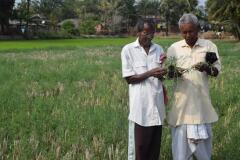
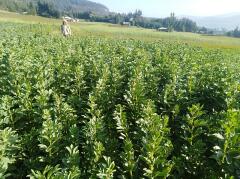
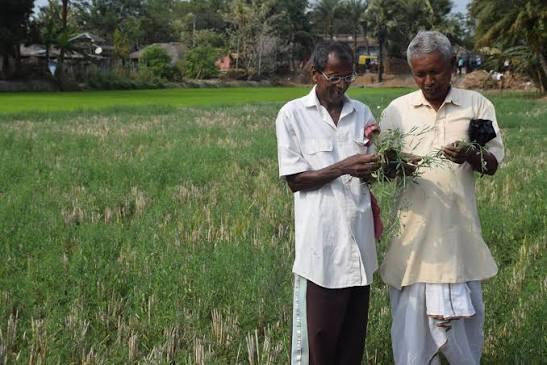
Pulse cropping in rice-fallow systems involves cultivating short-duration pulses such as lentil, grasspea, chickpea, field pea, mungbean, and blackgram on rice land that would otherwise remain uncultivated during the dry season. The practice uses residual soil moisture after the monsoon rice harvest. Farmers can relay-sow pulses into standing rice shortly before harvest or sow immediately afterward, preferably using zero tillage to conserve soil moisture and save time. The approach is supported by suitable varieties, quality seeds, seed treatment and inoculation, correction of soil deficiencies where necessary, and protection against stray cattle.
This technology is not yet validated.
| Target groups | Positive impacts |
| Smallholder and marginal rice farmers in rainfed lowland systems |
|
| Low-income farmers with limited access to quality seeds and technical support |
|
| Women farmers and women involved in agricultural value addition |
|
| Village-based seed producers and local seed enterprises |
|
Climate adaptability: Moderately adaptable
Pulse cropping in rice-fallow systems makes use of residual soil moisture after the monsoon rice crop, enabling farmers to cultivate an additional crop during the dry season
Farmer climate change readiness: Moderate improvement
It can help farmers make better use of residual soil moisture and reduce reliance on a single seasonal crop.
Soil quality: Improves soil health and fertility
Pulses contributes nitrogen through biological nitrogen fixation.
Water use: A bit less water used
It relies on residual soil moisture after the rice crop, rather than requiring a separate irrigated growing season as a defining feature of the approach.
Biodiversity: Not verified
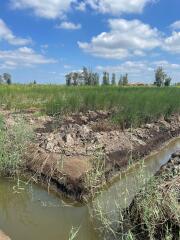
Underutilization of agricultural land: Large areas of rice land remain uncultivated during the dry season, limiting potential agricultural production. India has an estimated 11.65 million hectares (Mha) of rice-fallow land. In Odisha, approximately 2.1 Mha, equivalent to 59% of the wet-season rice area, was reported to remain fallow.
Dependence on pulse imports: Domestic pulse production is insufficient to meet demand, contributing to reliance on imports. India's pulse imports increased from 2.5 million tonnes in 2022/23 to 4.7 million tonnes in 2023/24, highlighting the challenge of meeting domestic demand.
Underused production potential: Leaving rice land uncultivated during the dry season limits opportunities to diversify rice-based farming systems and produce additional crops. Growing short-duration pulses using residual soil moisture can help make better use of the available land and growing season.
Food and nutritional insecurity: Uncultivated rice-fallow land represents a missed opportunity to produce protein-rich pulses that contribute to household nutrition and national food supplies.
Limited smallholder farm income: Leaving land fallow after rice harvest means farmers miss opportunities to earn additional income from dry-season pulse production. In an IFAD-funded project implemented in South Asia, average earnings from pulses grown on former fallow land were USD 737/ha in India and USD 1,132/ha in Bangladesh.
Increases domestic pulse production: Supports the cultivation of lentil, chickpea, grasspea, field pea, mungbean, and blackgram to help meet national demand.
Strengthens food and nutritional security: Increases the potential availability of protein-rich pulses for household consumption and local markets, contributing to improved food and nutrition security.
Creates additional income opportunities for farmers: Enables farmers to earn income from an additional crop during the dry season. Under IFAD-funded project, average earnings from pulses grown on former fallow land were USD 737/ha in India and USD 1,132/ha in Bangladesh.
Supports agricultural program implementation and scaling: Provides an approach that can be promoted through government initiatives, extension services, cluster demonstrations, farmer training, and village seed systems.
Improves resource use in rice-based farming systems: Introduces legumes into existing cropping systems, diversifying production and contributing to biological nitrogen fixation. South Asian lentil and chickpea were reported to fix approximately 50 kg and 51 kg of shoot nitrogen per hectare per crop, respectively.
By contributing to SDGs 1, 2, and 8, pulse cropping in rice-fallow systems supports poverty reduction, food and nutritional security, and economic opportunities through more productive use of agricultural land. The practice can help increase pulse production, generate additional income for smallholder farmers, and diversify rice-based farming systems. To integrate this technology successfully into agricultural development programs, governments and implementing partners should consider the following key elements.
Identify suitable rice-fallow areas based on residual soil moisture, soil conditions, and the available growing season.
Coordinate extension services, research institutions, local authorities, and farmer organizations to support implementation and scaling.
Build on existing initiatives, such as India's Targeting Rice Fallow Area initiative and Odisha's Comprehensive Rice Fallow Management program.
Invest in farmer training, field demonstrations, and extension services covering sowing methods, crop management, seed treatment, and inoculation.
Provide technical guidance on selecting short-duration pulse varieties suited to local conditions.
Train extension agents and farmers to identify and address production constraints, including low residual soil moisture, waterlogging, soil acidity, nutrient deficiencies, and damage from stray cattle.
Encourage collective action to facilitate coordinated sowing, crop protection, and knowledge sharing.
Strengthen village seed hubs and local seed enterprises to improve access to quality seeds of suitable pulse varieties.
Facilitate access to appropriate inputs, including Rhizobium inoculants, biofertilizers, and soil amendments where needed.
Promote appropriate sowing methods, including relay sowing into standing rice and zero-tillage sowing after rice harvest.
Collaborate with ICARDA and agricultural development partners to provide technical guidance and adapt implementation to local conditions.
Connect farmers with farmer groups, aggregators, processors, and local markets to facilitate the sale of harvested pulses.
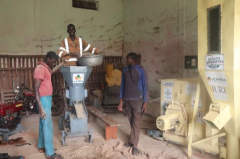
Support village-based seed enterprises and local businesses involved in pulse seed production and distribution.
Promote women's participation in seed enterprises, farmer organizations, and pulse value-addition activities.
Assess local market demand and commercialization opportunities to strengthen incentives for sustained adoption.
Monitor the area of rice-fallow land brought into cultivation, the number of farmers adopting the practice, pulse yields, and additional farm income.
Track participation by women and other target groups to assess the inclusiveness of project outcomes.
Evaluate implementation costs, economic returns, and the sustainability of adoption beyond project support.
Use evidence from field demonstrations and implementation experience to refine the approach and identify opportunities to expand into other suitable rice-fallow areas.
Open source / open access
Scaling Readiness describes how complete a technology's development is and its ability to be scaled. It produces a score that measures a technology's readiness along two axes: the level of maturity of the idea itself, and the level to which the technology has been used so far.
Each axis goes from 0 to 9 where 9 is the “ready-to-scale” status. For each technology profile in the e-catalogs we have documented the scaling readiness status from evidence given by the technology providers. The e-catalogs only showcase technologies for which the scaling readiness score is at least 8 for maturity of the idea and 7 for the level of use.
The graph below represents visually the scaling readiness status for this technology, you can see the label of each level by hovering your mouse cursor on the number.
Read more about scaling readiness ›
Uncontrolled environment: tested
Common use by projects NOT connected to technology provider
| Maturity of the idea | Level of use | |||||||||
| 9 | ||||||||||
| 8 | ||||||||||
| 7 | ||||||||||
| 6 | ||||||||||
| 5 | ||||||||||
| 4 | ||||||||||
| 3 | ||||||||||
| 2 | ||||||||||
| 1 | ||||||||||
| 1 | 2 | 3 | 4 | 5 | 6 | 7 | 8 | 9 | ||
| Target groups | Positive impacts |
| Smallholder and marginal rice farmers in rainfed lowland systems |
|
| Low-income farmers with limited access to quality seeds and technical support |
|
| Women farmers and women involved in agricultural value addition |
|
| Village-based seed producers and local seed enterprises |
|
| Target groups | Unintended impacts | Mitigation Measures |
| Smallholder and marginal rice farmers in rainfed lowland systems |
|
|
| Low-income farmers with limited access to quality seeds and technical support |
|
|
| Women farmers and women involved in agricultural value addition |
|
|
| Village-based seed producers and local seed enterprises |
|
|
| Target groups | Adoption Barriers | Mitigation Measures |
| Smallholder and marginal rice farmers in rainfed lowland systems |
|
|
| Low-income farmers with limited access to quality seeds and technical support |
|
|
| Women farmers and women involved in agricultural value addition |
|
|
| Village-based seed producers and local seed enterprises |
|
|
| Country | Testing ongoing | Tested | Adopted |
|---|---|---|---|
| Bangladesh | –No ongoing testing | Tested | Adopted |
| India | –No ongoing testing | –Not tested | Adopted |
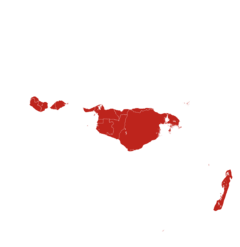
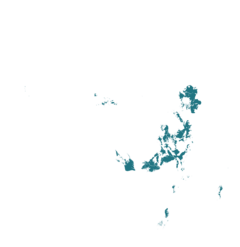
This technology can be used in the colored agro-ecological zones. Any zones shown in white are not suitable for this technology.
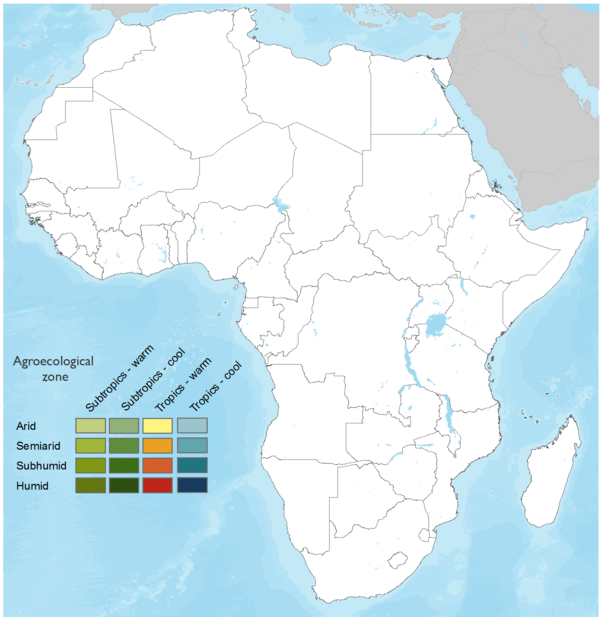


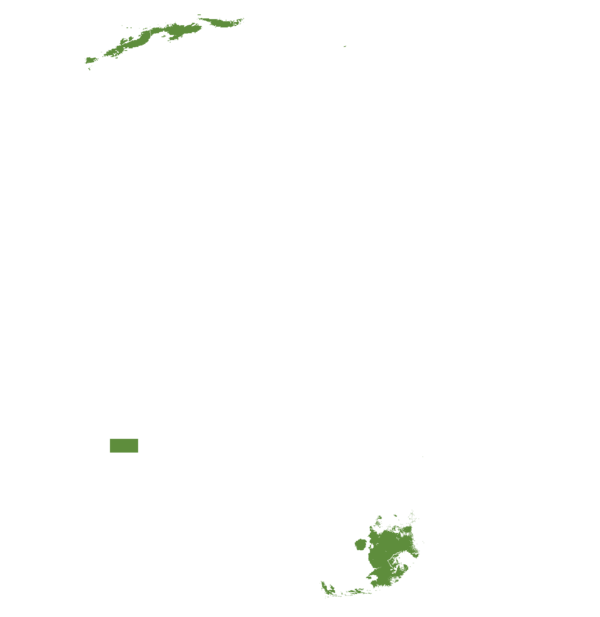




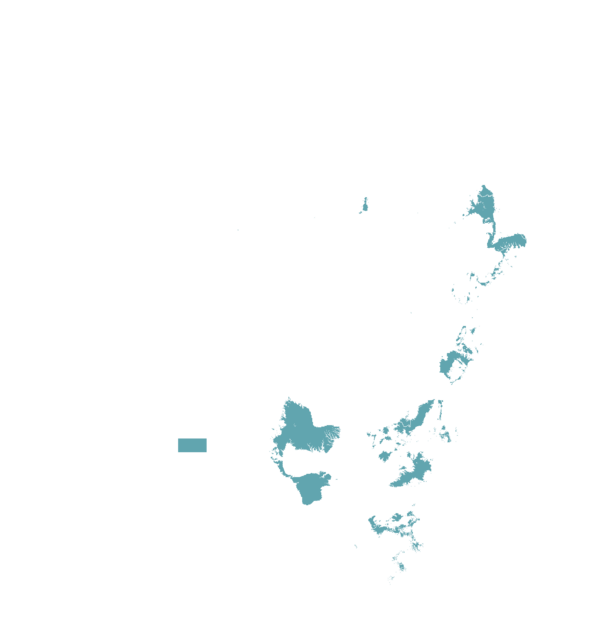


| AEZ | Subtropic - warm | Subtropic - cool | Tropic - warm | Tropic - cool |
|---|---|---|---|---|
| Arid | – | – | – | – |
| Semiarid | – | – | ||
| Subhumid | ||||
| Humid |
Source: HarvestChoice/IFPRI 2009
The United Nations Sustainable Development Goals that are applicable to this technology.

Increased farmer income and livelihood opportunities
Increased pulse production and improved food availability
Development of local seed enterprises and economic opportunities
Select a suitable field: Choose a lowland rice field that would otherwise remain uncultivated after the monsoon harvest and has sufficient residual soil moisture. Avoid fields that remain waterlogged.
Choose a suitable pulse crop: Select a locally released, short-duration variety of lentil, grasspea, chickpea, field pea, mungbean, or blackgram, according to local conditions and soil moisture availability.
Choose the sowing method: Either relay-sow pulses into standing rice shortly before harvest or sow immediately after rice harvest, preferably using zero tillage to save time and conserve soil moisture.
Use quality seeds and appropriate treatments: Obtain quality seeds, preferably from a village seed hub. Treat the seeds and apply Rhizobium inoculant and other biofertilizers, such as phosphate-solubilizing bacteria, following local recommendations.
Address soil constraints: Correct soil problems where necessary. For example, apply lime to acidic soils and borax where boron deficiency has been identified.
Protect the crop: Coordinate sowing with neighbouring farmers where appropriate and protect fields against damage from stray cattle.
Harvest and market the pulses: Harvest the crop and sell the produce through farmer groups, village seed hubs, or local markets. Where appropriate, retain part of the harvest as seed for the next season.
Last updated on Oct 27, 2026
This technology can be used in the colored agro-ecological zones.










Pulse rotations in rice fallow systems
https://taat.africa/gov/technologies/pulse-rotations-in-rice-fallow-systems
Last updated on 27 October 2026, printed on Nov 24, 2026
Enquiries e-catalogs@taat.africa