TAAT e-catalog
for
government
https://taat.africa/gov/technologies/aflasafe-aflatoxin-management
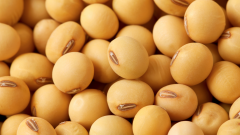

Aflatoxin-safe fields and crops for safer food in Africa
Aflasafe® is a biocontrol technology for aflatoxins management that uses harmless types of the fungus Aspergilus flavus which do not and cannot produce the toxins. The atoxigenic fungi are coated onto ordinary sorghum grain for transferring these innovative biocontrol agents to farmers’ fields. A blue food coloring dye is added to distinguish Aflasafe ® from other sorghum for food or feed use.

This technology is TAAT1 validated.
Adults 18 and over: Positive high
They benefit economically from the increased yield and market access facilitated by Aflasafe.
The poor: Positive medium
By helping increase yields and access to higher-value markets and ensuring that crops meet the necessary quality standards.
Under 18: Positive high
By helping ensure safer food, lowering the risk of stunting, liver damage, and other health issues related to aflatoxin exposure.
Women: Positive high
By enhancing the role of women in agriculture, providing them with greater economic opportunities and improving family well-being.
Climate adaptability: Highly adaptable
By improving crop quality and reducing losses, Aflasafe contributes to food security in regions facing changing climate conditions.
Farmer climate change readiness: Significant improvement
By improving crop quality and reducing aflatoxin contamination, Aflasafe helps farmers improve productivity even in suboptimal conditions.
Biodiversity: Positive impact on biodiversity
By reducing pesticide use, Aflasafe supports a healthier agroecosystem, promoting biodiversity in agricultural landscapes.
Environmental health: Greatly improves environmental health
Soil quality: Improves soil health and fertility
By reducing the need for chemical inputs, which can degrade soil quality over time.
This technology serves as a transformative solution. It is easy to use and beneficial for the producer and it offers an eco-friendly alternative to using pesticides. In addition, it supports the Sustainable Development Goals (SDGs) by tackling hunger and improving the health of users.
To integrate this technology into your project, and create a list of project activities and prerequisites and plan these activities:
- Considering the technology cost of 12 to 20 USD per Ha and a requirement of 10 kg per ha, estimate the quantity of products needed for your project.
- Consider also the place of supply and include the delivery cost to the project site and account for import clearance and duties if relevant.
A team of trainers could provide training and support during project installation. Include the cost for training and post-training support for using the technology.
Communication support for the technology should be developed (flyers, videos, radio broadcasts, etc.)
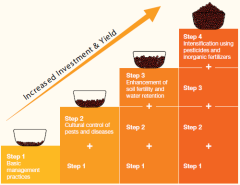
For better optimization of the improved maize variety, it is recommended to associate with other post-harvest practices such as proper drying and storage.
To implement the technology in your country, you could collaborate with agricultural development institutes and agro-dealers.
Recommended dosage application
Recommended dosage application
Trademark
Scaling Readiness describes how complete a technology\’s development is and its ability to be scaled. It produces a score that measures a technology\’s readiness along two axes: the level of maturity of the idea itself, and the level to which the technology has been used so far.
Each axis goes from 0 to 9 where 9 is the “ready-to-scale” status. For each technology profile in the e-catalogs we have documented the scaling readiness status from evidence given by the technology providers. The e-catalogs only showcase technologies for which the scaling readiness score is at least 8 for maturity of the idea and 7 for the level of use.
The graph below represents visually the scaling readiness status for this technology, you can see the label of each level by hovering your mouse cursor on the number.
Read more about scaling readiness ›
Uncontrolled environment: tested
Common use by intended users, in the real world
| Maturity of the idea | Level of use | |||||||||
| 9 | ||||||||||
| 8 | ||||||||||
| 7 | ||||||||||
| 6 | ||||||||||
| 5 | ||||||||||
| 4 | ||||||||||
| 3 | ||||||||||
| 2 | ||||||||||
| 1 | ||||||||||
| 1 | 2 | 3 | 4 | 5 | 6 | 7 | 8 | 9 | ||
| Project | Countries | Beneficiaries | Budget (USD) & duration | Key figures |
|---|---|---|---|---|
|
EAPS Project Emergency Agricultural Production Support Project |
|
|
6.16 million 2022–2024 |
|
|
EFPFP Emergency Food Production Facility Project |
|
|
20.85 million 2022–2026 |
|
|
ENSURE Enabling Environments for Sustainable Regional Agriculture Extension |
|
|
13.14 million 2024–2027 |
|
|
PADCV-PTA Projet d’Appui au Developpement des Chaines de Valeurs en soutien au Programme de Transformation de l’Agriculture |
|
|
321 million 2024–2029 |
|
|
SAPZ-II Multinational- Promotion of Sustainable Agricultural Value Chains in Special Agro-Industrial Processing Zones |
|
|
625,00 million 2025–2030 |
|
Figures in italic are from project plans and may change during implementation.
| Country | Testing ongoing | Tested | Adopted |
|---|---|---|---|
| Burkina Faso | –No ongoing testing | Tested | Adopted |
| Burundi | –No ongoing testing | Tested | –Not adopted |
| Democratic Republic of the Congo | –No ongoing testing | Tested | –Not adopted |
| Gambia | –No ongoing testing | Tested | Adopted |
| Ghana | –No ongoing testing | Tested | Adopted |
| Kenya | –No ongoing testing | Tested | Adopted |
| Malawi | –No ongoing testing | Tested | Adopted |
| Mali | –No ongoing testing | Tested | Adopted |
| Mozambique | –No ongoing testing | Tested | Adopted |
| Niger | –No ongoing testing | Tested | –Not adopted |
| Nigeria | –No ongoing testing | Tested | Adopted |
| Rwanda | –No ongoing testing | Tested | –Not adopted |
| Senegal | –No ongoing testing | Tested | Adopted |
| Sudan | –No ongoing testing | Tested | –Not adopted |
| Tanzania | –No ongoing testing | Tested | Adopted |
| Togo | –No ongoing testing | Tested | –Not adopted |
| Uganda | –No ongoing testing | Tested | –Not adopted |
| Zambia | –No ongoing testing | Tested | –Not adopted |
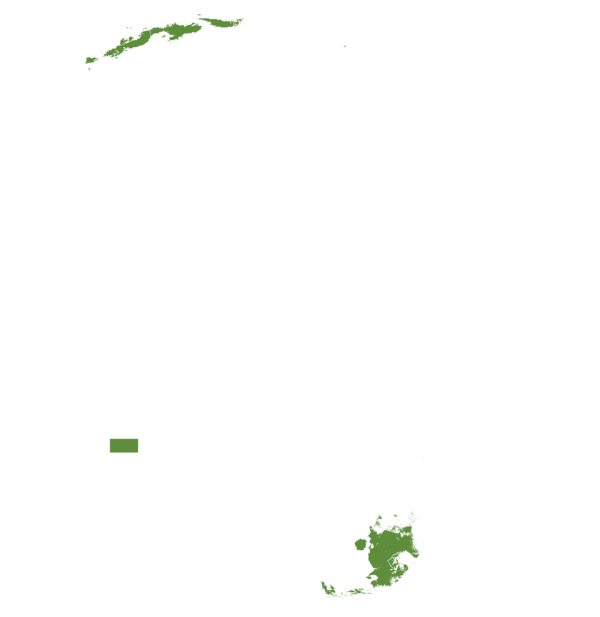
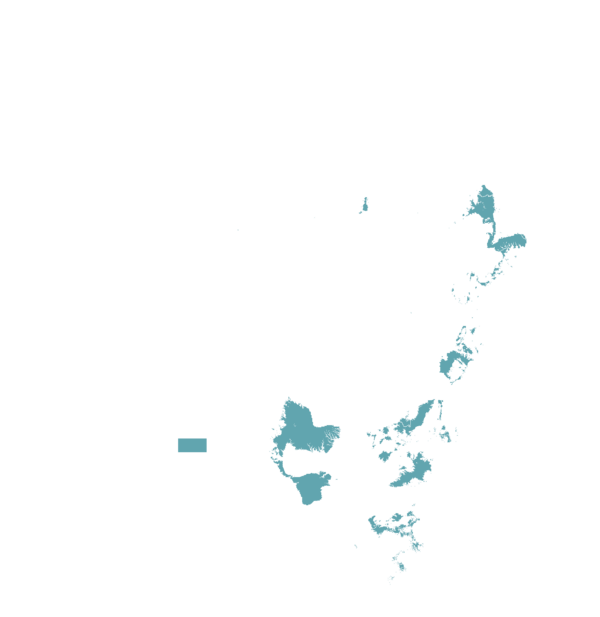
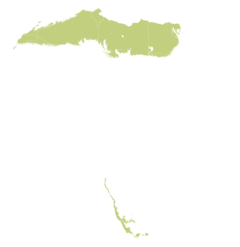
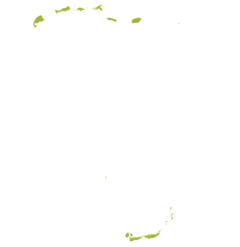
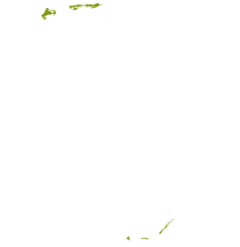
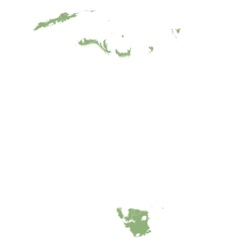
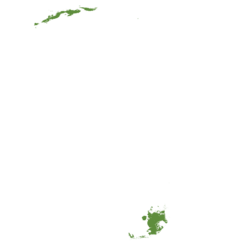
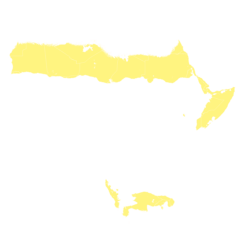
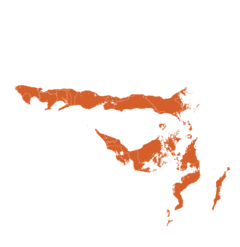
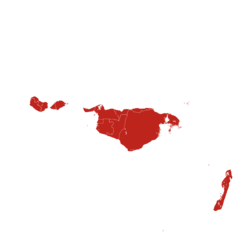
This technology can be used in the colored agro-ecological zones. Any zones shown in white are not suitable for this technology.
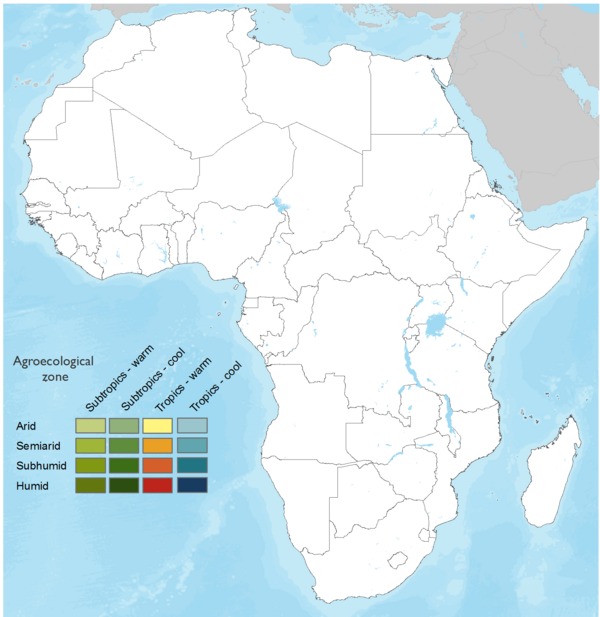


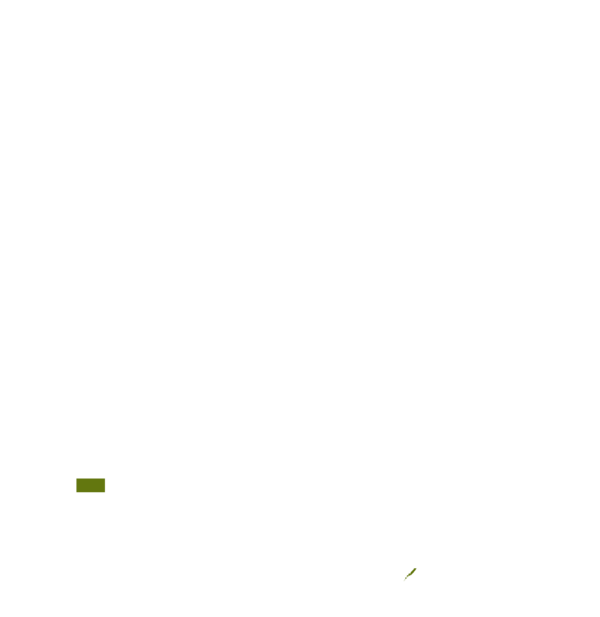
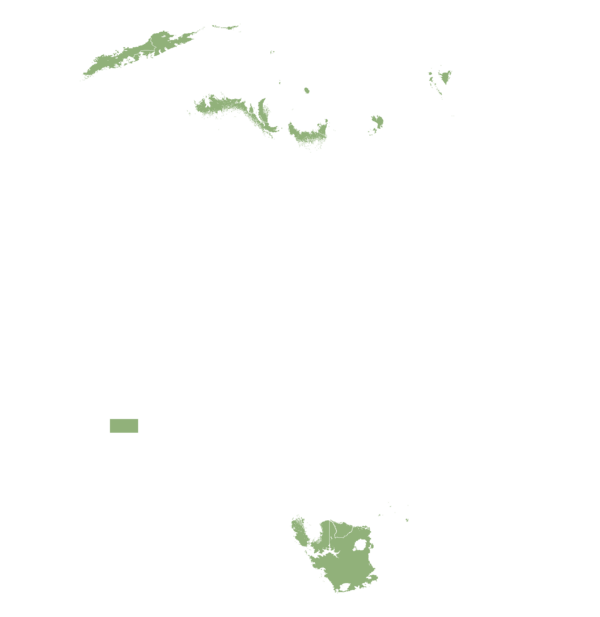


| AEZ | Subtropic - warm | Subtropic - cool | Tropic - warm | Tropic - cool |
|---|---|---|---|---|
| Arid | ||||
| Semiarid | ||||
| Subhumid | – | – | ||
| Humid | – | – |
Source: HarvestChoice/IFPRI 2009
The United Nations Sustainable Development Goals that are applicable to this technology.
By preventing crop losses due to aflatoxin contamination, Aflasafe boosts the productivity of smallholder farmers, supporting food availability and access in rural areas.
Through the reduction of aflatoxin levels, Aflasafe lowers the incidence of foodborne diseases, improving the health and well-being of communities
By reducing the need for chemical pesticides, Aflasafe helps protect soil and water ecosystems, reducing pollution and promoting healthier agricultural landscapes.
Last updated on Jul 27, 2026
This technology can be used in the colored agro-ecological zones.





Aflasafe®: Aflatoxin management
https://taat.africa/gov/technologies/aflasafe-aflatoxin-management
Last updated on 27 July 2026, printed on Aug 25, 2026
Enquiries e-catalogs@taat.africa