TAAT e-catalog
for
government
https://taat.africa/gov/technologies/golden-cassava-vitamin-a-fortified-cassava-varieties
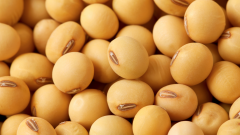
Yellow-fleshed cassava rich in vitamin A
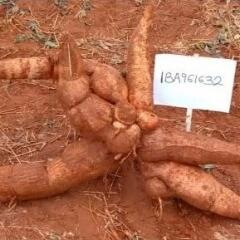
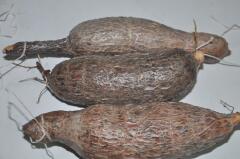
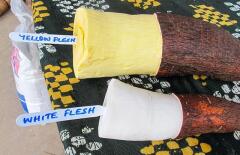
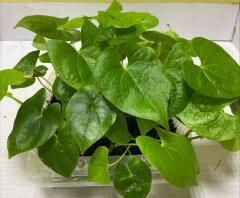
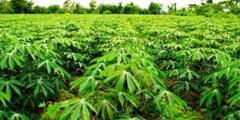
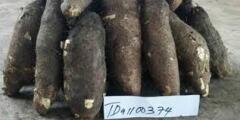
Yellow-fleshed cassava is a vitamin A-enriched variety. The variety is the result of the cross-breeding of natural lines containing high levels of provitamin A and hybrid lines with higher yield potential disease resistance and drought tolerance.
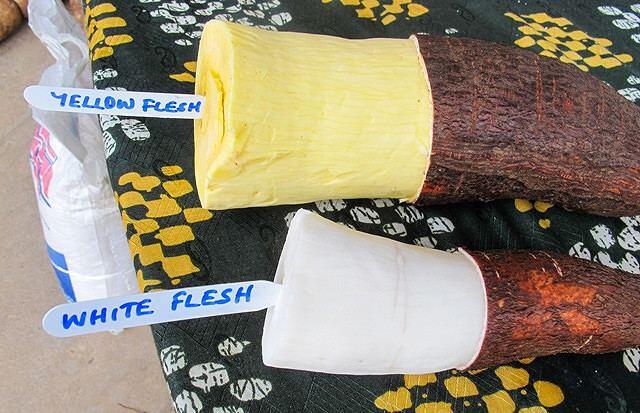
This technology is TAAT1 validated.
Adults 18 and over: Positive high
Provides improved nutrition, helping to address vitamin A deficiencies. This strengthens the workforce, boosting productivity and overall well-being.
The poor: Positive high
Golden cassava offers affordable access to essential nutrients, reducing healthcare costs associated with malnutrition.
Under 18: Positive high
It helps combat malnutrition and vitamin A deficiency, which is especially crucial for children's growth, immune system development, and overall health
Women: Positive high
Women, particularly pregnant and nursing mothers, benefit from better nutrition, reducing risks to maternal and child health.
Climate adaptability: Highly adaptable
Golden cassava varieties are bred to be more resilient to various environmental conditions
Farmer climate change readiness: Significant improvement
These varieties help farmers adapt to climate change by providing a resilient, nutrient-enriched crop
Biodiversity: Positive impact on biodiversity
Breeding techniques ensure that native species are preserved, thus maintaining biodiversity
Soil quality: Does not affect soil health and fertility
Golden cassava cultivation could promote better land use management when coupled with sustainable farming practices.
Water use: Same amount of water used
These varieties are expected to have similar water requirements as conventional cassava.
Golden cassava technology is a solution for malnutrition and hunger by biofortifying with provitamin A and enhancing agronomic traits, thereby empowering women and promoting climate resilience. Its impact extends to Sustainable Development Goals, supporting food security, health, gender equality, climate action, and land conservation.
To integrate this technology into your project, and create a list of project activities and plan these activities:
Collaborate with all stakeholders in the cassava value chain to establish quality parameters, norms, and screening methods for golden cassava varieties.
Engage multipliers and seed companies to produce and market high-quality seeds capable of yielding equal or greater root yields than non-biofortified varieties.
Establish linkages between seed suppliers, cassava growers, food processors, and consumer groups to stimulate demand for nutritional food produced from golden cassava.
Offer financial assistance to local suppliers and smallholder farmers to facilitate investments in and purchases of planting material for golden cassava.
Considering the technology cost and a requirement per ha, estimate the quantity of seeds needed for your project.
As the technology is available from Nigeria, include the delivery cost to the project site and account for import clearance and duties if relevant.
A team of trainers could provide training and support during project installation. Include the cost for training and post-training support for using the technology.
Communication support for the technology should be developed (flyers, videos, radio broadcasts, etc.)
For better optimization of the improved maize variety, it is recommended to associate this technology with Integrated weed, pest and soil management system (GAP), Seed bulking for cassava multiplication.
To implement the technology in your country, you could collaborate with agricultural development institutes and seed multiplication companies.
Open source / open access
Scaling Readiness describes how complete a technology's development is and its ability to be scaled. It produces a score that measures a technology's readiness along two axes: the level of maturity of the idea itself, and the level to which the technology has been used so far.
Each axis goes from 0 to 9 where 9 is the “ready-to-scale” status. For each technology profile in the e-catalogs we have documented the scaling readiness status from evidence given by the technology providers. The e-catalogs only showcase technologies for which the scaling readiness score is at least 8 for maturity of the idea and 7 for the level of use.
The graph below represents visually the scaling readiness status for this technology, you can see the label of each level by hovering your mouse cursor on the number.
Read more about scaling readiness ›
Semi-controlled environment: prototype
Used by some projects NOT connected to technology provider
| Maturity of the idea | Level of use | |||||||||
| 9 | ||||||||||
| 8 | ||||||||||
| 7 | ||||||||||
| 6 | ||||||||||
| 5 | ||||||||||
| 4 | ||||||||||
| 3 | ||||||||||
| 2 | ||||||||||
| 1 | ||||||||||
| 1 | 2 | 3 | 4 | 5 | 6 | 7 | 8 | 9 | ||
| Project | Countries | Beneficiaries | Budget (USD) & duration | Key figures |
|---|---|---|---|---|
|
EFPP Guinea Emergency Food Production Programme |
|
|
25.23 million 2022–2024 |
|
|
ENSURE Enabling Environments for Sustainable Regional Agriculture Extension |
|
|
13.14 million 2024–2027 |
|
|
PADCV-PTA Projet d’Appui au Developpement des Chaines de Valeurs en soutien au Programme de Transformation de l’Agriculture |
|
|
321 million 2024–2029 |
|
|
SAPZ-II Multinational- Promotion of Sustainable Agricultural Value Chains in Special Agro-Industrial Processing Zones |
|
|
625,00 million 2025–2030 |
|
Figures in italic are from project plans and may change during implementation.
| Country | Testing ongoing | Tested | Adopted |
|---|---|---|---|
| Nigeria | –No ongoing testing | Tested | Adopted |
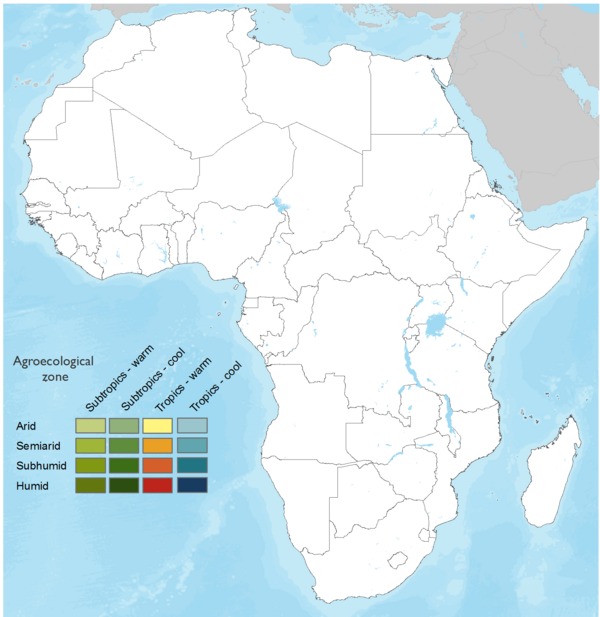
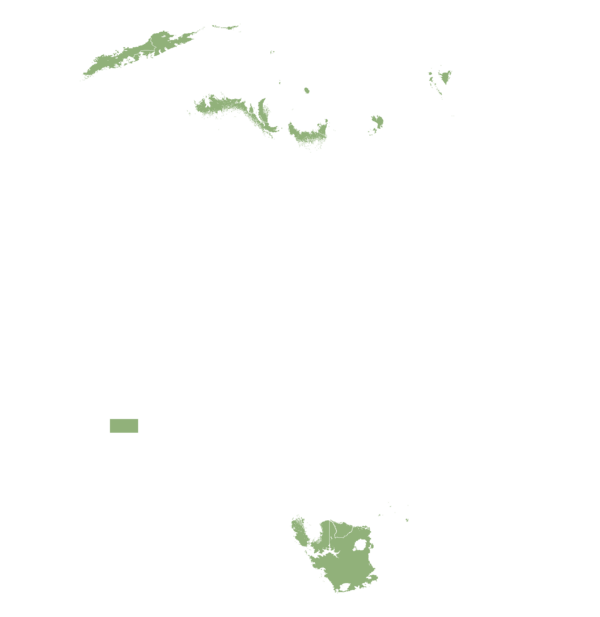
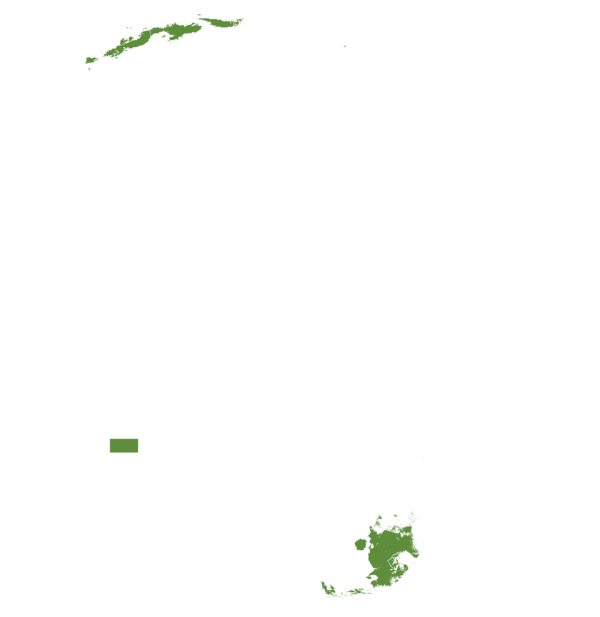
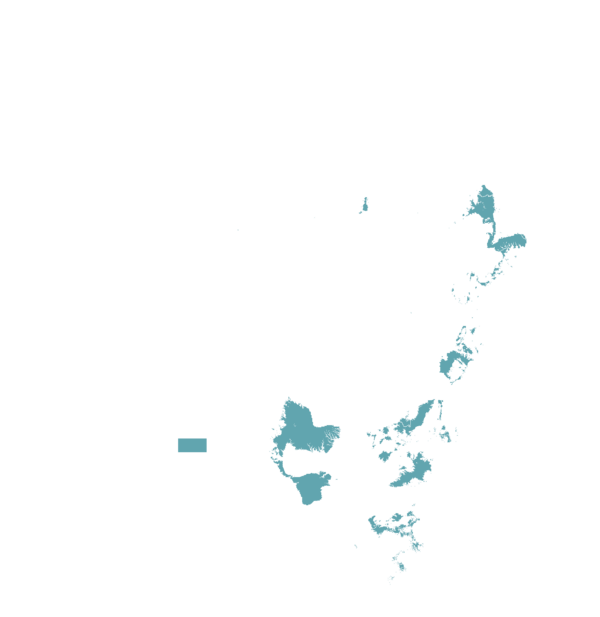
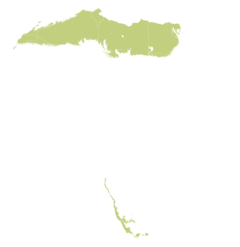
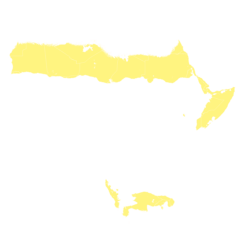
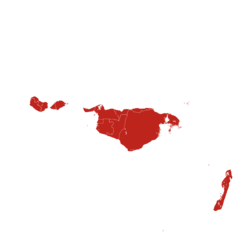
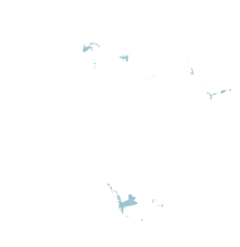
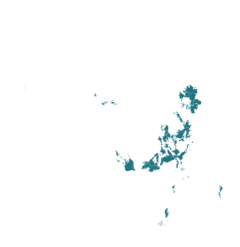
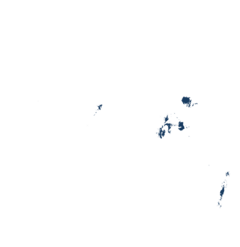
This technology can be used in the colored agro-ecological zones. Any zones shown in white are not suitable for this technology.









| AEZ | Subtropic - warm | Subtropic - cool | Tropic - warm | Tropic - cool |
|---|---|---|---|---|
| Arid | ||||
| Semiarid | ||||
| Subhumid | ||||
| Humid |
Source: HarvestChoice/IFPRI 2009
The United Nations Sustainable Development Goals that are applicable to this technology.
It addresses malnutrition and hidden hunger by increasing provitamin A content in cassava.
It Helps reduce vitamin A deficiency, which can lead to severe health issues such as blindness and immune system problems.
Women involved in cassava cultivation and consumption benefit from increased income and good health.
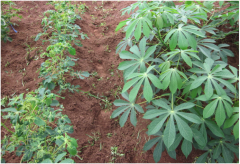
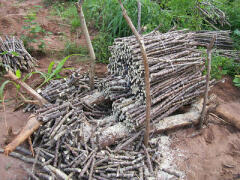
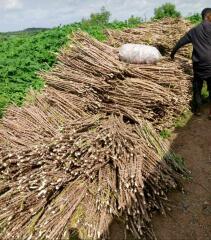
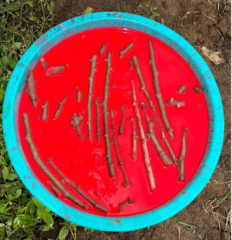
Select healthy cuttings from yellow-fleshed cassava varieties, and Ensure that the cuttings are free from disease symptoms.
Choose the appropriate planting technique based on local rainfall conditions. In dry climates, plant cassava cuttings horizontally and cover them entirely with soil. In humid areas with high precipitation, plant cuttings vertically or angularly.
Follow recommended soil and fertilizer management practices tailored to your specific growing area and conditions, essential for achieving high root yields.
Tackle limitations in nutrient availability and water supply. Prevent soil compaction and weed encroachment
Utilize disease-resistant cassava varieties to enhance production levels.
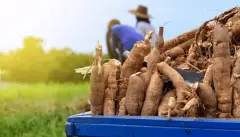
Harvest the mature cassava roots when they are ready for use.
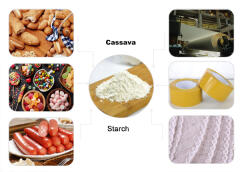
Due to their high nutritional value, the roots from golden cassava varieties are ideal for processing into various products. Manufacture products like flour, bread, garri, or crisps from the cassava roots. These processed goods can be sold in both local and international markets.
Last updated on Sep 23, 2026
This technology can be used in the colored agro-ecological zones.









Golden cassava: Vitamin A fortified cassava varieties
https://taat.africa/gov/technologies/golden-cassava-vitamin-a-fortified-cassava-varieties
Last updated on 23 September 2026, printed on Oct 11, 2026
Enquiries e-catalogs@taat.africa