TAAT e-catalog
for
government
https://taat.africa/gov/technologies/high-quality-cassava-flour-and-industrial-starches

Extend Freshness, Expand Opportunities with Cassava Flour!
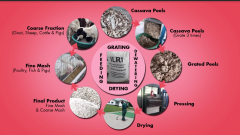
High-Quality Cassava Flour (HQCF) is a product derived from cassava, a starchy root crop, and is specifically focused on the characteristics and attributes of the product itself. HQCF is a finely processed cassava flour that is produced without fermentation, resulting in an odorless, white or off-white flour. It is created through a series of production steps that include raw material selection, peeling, washing, grating, pressing, disintegration, sifting, drying, milling, screening, packaging, and storage.
This technology is TAAT1 validated.
Adults 18 and over: Positive high
The poor: Positive low
Under 18: Positive high
Women: Positive high
Farmer climate change readiness: Moderate improvement
Environmental health: Greatly improves environmental health
Soil quality: Does not affect soil health and fertility
Water use: Same amount of water used
Carbon footprint: More carbon released
The HQCF technology adressed several problem such as:
Short shelf life: Fresh cassava roots, with their high water content, quickly perish and mold, posing a significant challenge for storage and market sales.
Cyanide toxicity: Traditional processing methods aim to eliminate toxic cyanide compounds present in cassava, requiring additional steps to make it safe for consumption.
Limited market opportunities: Traditional cassava flour production methods do not offer significant market prospects for smallholder cassava farmers.
High transport costs: Converting fresh roots into High-Quality Cassava Flour (HQCF) reduces transportation costs from farms to processing facilities.
Extended shelf life: HQCF production contributes to longer shelf life for the raw food product, addressing the issue of the perishability of fresh roots.
Production of High Quality Cassava Flour (HQCF) to extend the shelf life of cassava roots.
Extended Shelf Life: HQCF offers a longer shelf life compared to fresh cassava roots, reducing post-harvest losses.
Reduced Transportation Costs: Processing cassava roots into HQCF decreases transportation costs from farms to processing facilities, enhancing logistical efficiency.
Improved Quality: The HQCF production process, unlike fermentation used in other cassava products like fufu or gari, produces an odorless flour with a white or off-white color, enhancing its overall quality.
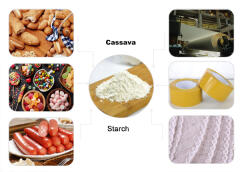
Versatility: HQCF and derived starches can be used in the manufacturing of a diverse range of foods and products, providing versatility in application.
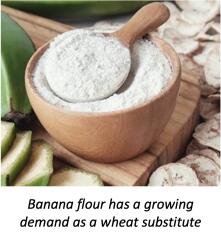
Import Substitution: HQCF can serve as a substitute for imported starch sources like wheat, contributing to food security and reducing import costs.
High-Quality Cassava Flour (HQCF) is a non-fermented cassava product with an odorless, white/off-white appearance. It addresses the challenge of perishable fresh cassava roots, offering longer shelf life and reduced transport costs. HQCF, produced through specific steps, holds potential for various food and goods manufacturing.
The High-Quality Cassava Flour (HQCF) technology promotes gender equality by providing economic opportunities for women and youth. Climate-wise, it reduces carbon footprint and encourages sustainable agricultural practices. Aligned with the Sustainable Development Goals (SDGs), HQCF contributes to poverty reduction, food security, and economic growth in rural communities.
To integrate this technology into your project, create a list of project activities and prerequisites: - Estimate the quantity of root for your project knowing that a demonstrator carried out in Madagascar showed that processing 288MT of fresh cassava roots into HQCF over a year costed USD 17,238, which corresponds to a production cost of USD 60 per MT fresh root product.
- As the technology is developed and available in Nigeria include the delivery cost to the project site and account for import clearance and duties if relevant.
A team of trainers could provide training and support during project installation. Include the cost for training and post-training support for using the technology. Communication support for the technology should be developed (flyers, videos, radio broadcasts, etc.).
For better optimization of this technology, it is recommended to associate this technology with Golden cassava varieties, Cassava varieties with high dry matter and starch content, Mobile cassava processing plant. You could also collaborate with agricultural development institutes.
Reduction of wheat flour in bakeries
Cassava root to HQCF conversion ratio
Open source / open access
Scaling Readiness describes how complete a technology\’s development is and its ability to be scaled. It produces a score that measures a technology\’s readiness along two axes: the level of maturity of the idea itself, and the level to which the technology has been used so far.
Each axis goes from 0 to 9 where 9 is the “ready-to-scale” status. For each technology profile in the e-catalogs we have documented the scaling readiness status from evidence given by the technology providers. The e-catalogs only showcase technologies for which the scaling readiness score is at least 8 for maturity of the idea and 7 for the level of use.
The graph below represents visually the scaling readiness status for this technology, you can see the label of each level by hovering your mouse cursor on the number.
Read more about scaling readiness ›
Uncontrolled environment: tested
Common use by projects NOT connected to technology provider
| Maturity of the idea | Level of use | |||||||||
| 9 | ||||||||||
| 8 | ||||||||||
| 7 | ||||||||||
| 6 | ||||||||||
| 5 | ||||||||||
| 4 | ||||||||||
| 3 | ||||||||||
| 2 | ||||||||||
| 1 | ||||||||||
| 1 | 2 | 3 | 4 | 5 | 6 | 7 | 8 | 9 | ||
| Project | Beneficiaries | Budget | Duration | Key figures |
|---|---|---|---|---|
|
ENSURE- East Africa Enabling Environments for Sustainable Regional Agriculture Extension |
|
13.14 million |
2024–2027 |
|
|
ESFSP- Guinea-Bissau Emergency Support to Food Security Project |
|
6.5 million |
2022–2024 |
|
|
IsDB Root and Tuber- Benin IsDB Root and Tuber Value Chains Development Project |
Information coming soon |
Information coming soon |
Information coming soon | Information coming soon |
|
PADCV-PTA- Democratic Republic of the Congo Projet d’Appui au Developpement des Chaines de Valeurs en soutien au Programme de Transformation de l’Agriculture |
|
321 million |
2024–2029 |
|
| Country | Testing ongoing | Tested | Adopted |
|---|---|---|---|
| Benin | –No ongoing testing | Tested | –Not adopted |
| Cameroon | –No ongoing testing | Tested | –Not adopted |
| Democratic Republic of the Congo | –No ongoing testing | Tested | –Not adopted |
| Ghana | –No ongoing testing | Tested | –Not adopted |
| Liberia | –No ongoing testing | Tested | –Not adopted |
| Madagascar | –No ongoing testing | Tested | –Not adopted |
| Malawi | –No ongoing testing | Tested | –Not adopted |
| Nigeria | –No ongoing testing | Tested | Adopted |
| Rwanda | –No ongoing testing | Tested | –Not adopted |
| Sierra Leone | –No ongoing testing | Tested | –Not adopted |
| Tanzania | –No ongoing testing | Tested | –Not adopted |
| Togo | –No ongoing testing | Tested | –Not adopted |
| Uganda | –No ongoing testing | Tested | –Not adopted |
| Zambia | –No ongoing testing | Tested | –Not adopted |
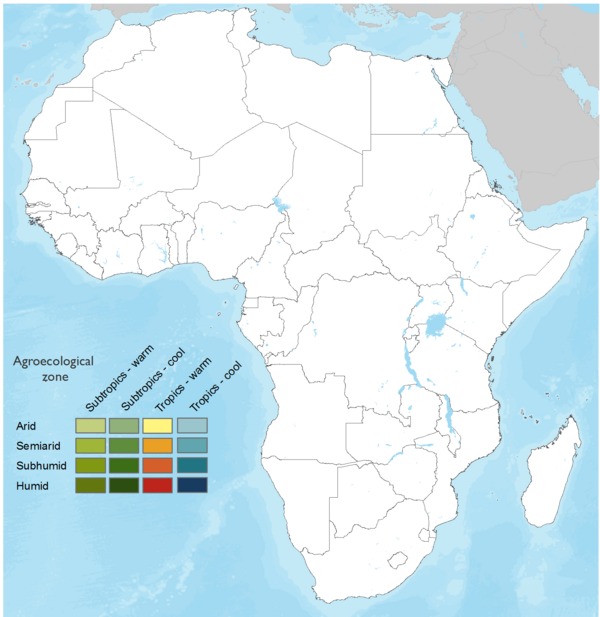
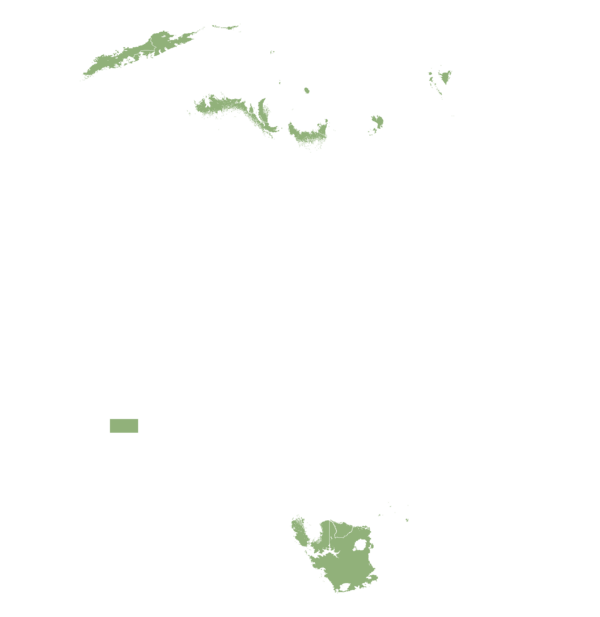
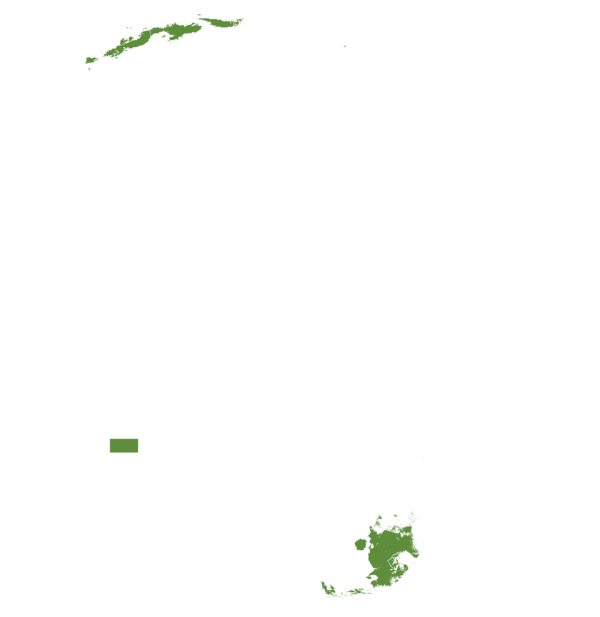
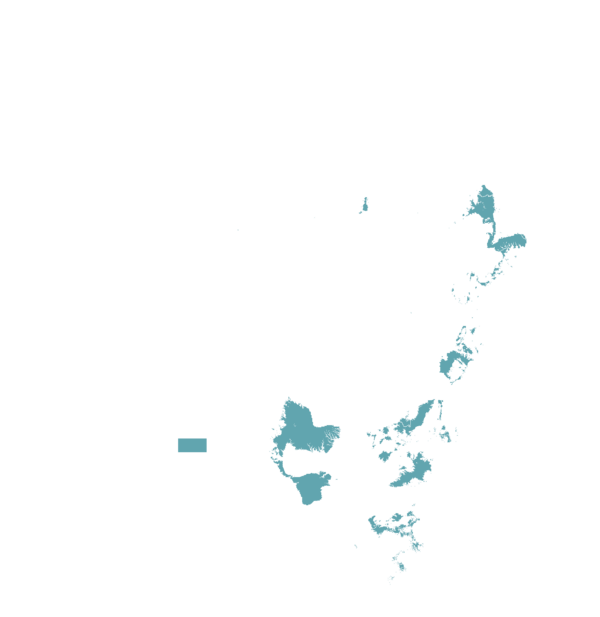
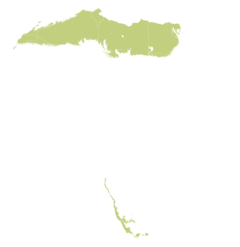
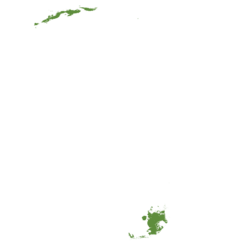
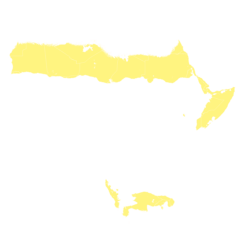
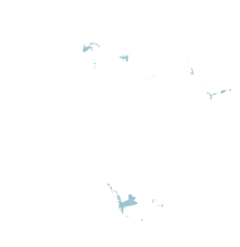
This technology can be used in the colored agro-ecological zones. Any zones shown in white are not suitable for this technology.









| AEZ | Subtropic - warm | Subtropic - cool | Tropic - warm | Tropic - cool |
|---|---|---|---|---|
| Arid | ||||
| Semiarid | ||||
| Subhumid | ||||
| Humid |
Source: HarvestChoice/IFPRI 2009
The United Nations Sustainable Development Goals that are applicable to this technology.

1. Raw Material Preparation:
Select fresh cassava roots with high dry matter, and low levels of bitter-tasting cyanides.
Harvest and deliver the cassava roots within a day or two after harvest for optimal quality.
2. Processing HQCF:
Use a grater to reduce the size of cassava roots.
Dewater the grated cassava using a press to remove excess water.
Dry the dewatered cassava using a solar or flash dryer.
Comminute (reduce particle size) the dried cassava using a pin mill.
Screen the comminuted material to achieve the desired particle size.
Package the HQCF using a stitching machine.
Ensure the entire process takes place within a short timeframe to maintain quality.
4. Electricity Supply:
Ensure a reliable supply of low-cost electricity, which can be obtained from the national grid, diesel generators, or photovoltaic panels.
This is essential for uninterrupted and cost-effective manufacturing of HQCF and starches.
Last updated on Jul 9, 2026
This technology can be used in the colored agro-ecological zones.














High quality cassava flour and industrial starches
https://taat.africa/gov/technologies/high-quality-cassava-flour-and-industrial-starches
Last updated on 9 July 2026, printed on Jul 11, 2026
Enquiries e-catalogs@taat.africa