TAAT e-catalog
for
government
https://taat.africa/gov/technologies/kabana-6hnarita7-hybrid-high-yielding-and-disease-tolerant-banana
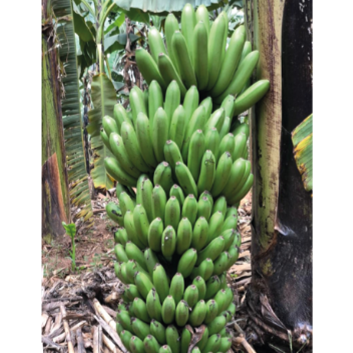
long lasting banana nicknamed 'kiwangazi' by farmers.
The KABANA 6H/NARITA7 banana hybrid is a high-yielding variety resistant to black Sigatoka, banana weevils, and nematodes. It can produce 57.7 kg per bunch with a potential yield of 60 tons/ha/year. Developed by IITA and NARO, it’s a practical solution for farmers, particularly in Uganda, enhancing plantation longevity and economic return.
This technology is validated.
Adults 18 and over: Positive high
The poor: No impact
Under 18: No impact
Women: Positive medium
Climate adaptability: Highly adaptable
Farmer climate change readiness: Significant improvement
Biodiversity: No impact on biodiversity
Water use: A bit less water used
The technology of the high-yielding and disease-tolerant banana hybrid Kabana 6H (NARITA 7) addresses key challenges in banana production, especially in regions prone to disease and variable climatic conditions. By enabling farmers to achieve higher and more stable yields, it contributes to food security, poverty reduction, and the economic empowerment of women. Additionally, it promotes climate change adaptation and sustainable agricultural practices, supporting the sustainable development goals and creating new opportunities for employment and income in rural areas.
To hear firsthand experiences from farmers about the impact of the high-yielding and disease-tolerant banana hybrid Kabana 6H (NARITA 7), watch this video:
To integrate the high-yielding and disease-tolerant banana hybrid Kabana 6H (NARITA 7) into your project, consider the following key points:
Collaboration: Partner with breeders and agricultural research institutions to select improved banana varieties tailored to specific growing conditions in target areas.
Cultivar Selection and Adaptation: Identify appropriate cultivars for specific climatic conditions, production targets, and market demands.
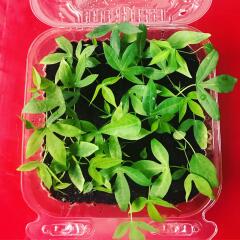
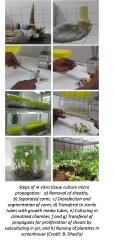
Training and Capacity Building: Establish local training hubs for seed multipliers on macro-propagation and distribution of healthy plantlets. Train farmers on good agronomic practices to maximize yield and disease resistance.
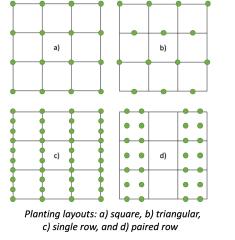
Planting Material: Estimate the required quantity of planting materials for all the farmers, considering the range of 1111 plants per hectare. Use clean planting materials generated from in vitro tissue culture (micropropagation) or on-farm macropropagation to optimize performance.
Real-life yield
Potential yield
Plant variety protection
Scaling Readiness describes how complete a technology's development is and its ability to be scaled. It produces a score that measures a technology's readiness along two axes: the level of maturity of the idea itself, and the level to which the technology has been used so far.
Each axis goes from 0 to 9 where 9 is the “ready-to-scale” status. For each technology profile in the e-catalogs we have documented the scaling readiness status from evidence given by the technology providers. The e-catalogs only showcase technologies for which the scaling readiness score is at least 8 for maturity of the idea and 7 for the level of use.
The graph below represents visually the scaling readiness status for this technology, you can see the label of each level by hovering your mouse cursor on the number.
Read more about scaling readiness ›
Uncontrolled environment: validated
Used by some intended users, in the real world
| Maturity of the idea | Level of use | |||||||||
| 9 | ||||||||||
| 8 | ||||||||||
| 7 | ||||||||||
| 6 | ||||||||||
| 5 | ||||||||||
| 4 | ||||||||||
| 3 | ||||||||||
| 2 | ||||||||||
| 1 | ||||||||||
| 1 | 2 | 3 | 4 | 5 | 6 | 7 | 8 | 9 | ||
| Project | Countries | Beneficiaries | Budget (USD) & duration | Key figures |
|---|---|---|---|---|
|
ENSURE Enabling Environments for Sustainable Regional Agriculture Extension |
|
|
13.14 million 2024–2027 |
|
Figures in italic are from project plans and may change during implementation.
| Country | Testing ongoing | Tested | Adopted |
|---|---|---|---|
| Kenya | –No ongoing testing | Tested | –Not adopted |
| Tanzania | –No ongoing testing | Tested | Adopted |
| Uganda | –No ongoing testing | Tested | Adopted |
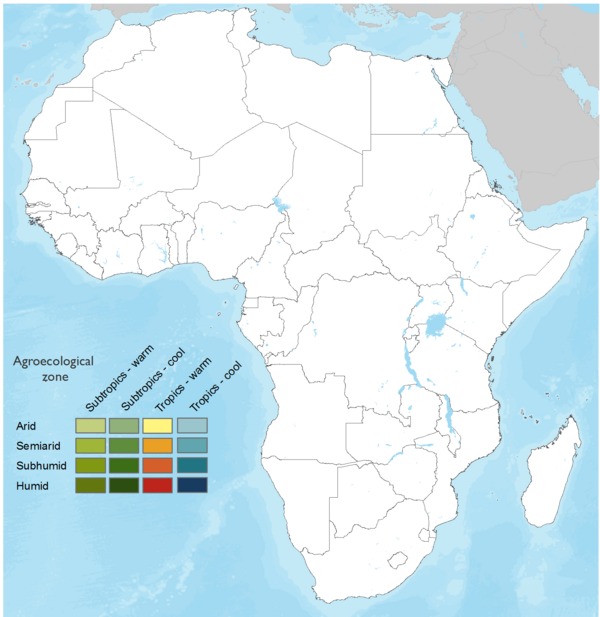
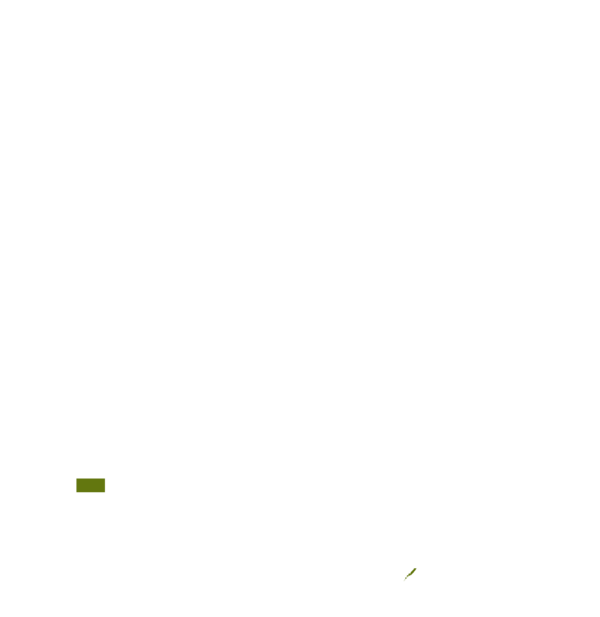
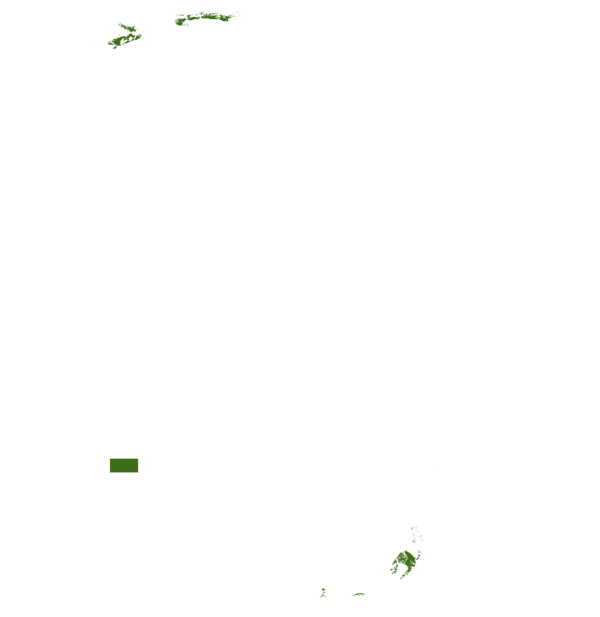
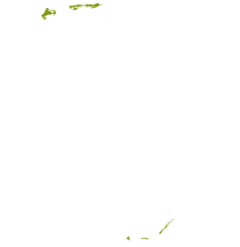
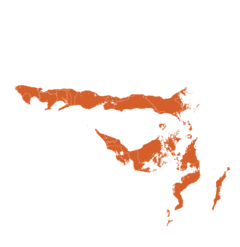
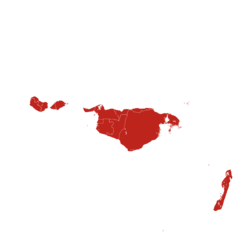
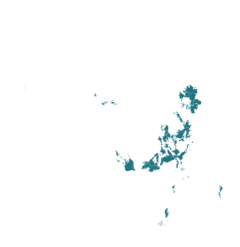
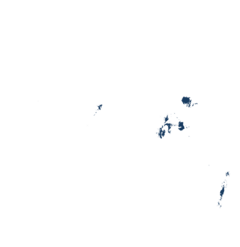
This technology can be used in the colored agro-ecological zones. Any zones shown in white are not suitable for this technology.




| AEZ | Subtropic - warm | Subtropic - cool | Tropic - warm | Tropic - cool |
|---|---|---|---|---|
| Arid | – | – | – | – |
| Semiarid | – | – | – | – |
| Subhumid | ||||
| Humid |
Source: HarvestChoice/IFPRI 2009
The United Nations Sustainable Development Goals that are applicable to this technology.
Plant the new variety (KABANA 6H/NARITA 7) and follow the normal agronomic practices for banana. Globaly it could be:
Last updated on Sep 21, 2026
This technology can be used in the colored agro-ecological zones.





KABANA 6H/NARITA7 hybrid: High yielding and disease tolerant banana
https://taat.africa/gov/technologies/kabana-6hnarita7-hybrid-high-yielding-and-disease-tolerant-banana
Last updated on 21 September 2026, printed on Oct 11, 2026
Enquiries e-catalogs@taat.africa