Logo
TAAT e-catalog for government
https://taat.africa/gov/technologies/stepwise-climate-smart-investment-pathway

Request information View pitch brochure
55 technologies

Stepwise Climate Smart Investment Pathway

Accessible best agricultural practices for everyone

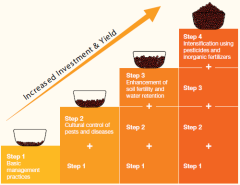
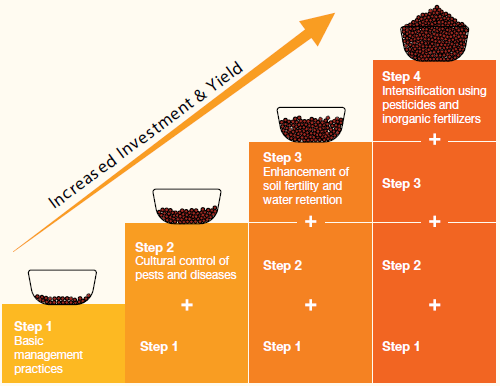
The Stepwise Climate Smart Investment Pathway (Stepwise) is an approach that breaks down the recommended best practices that many farmers cannot afford to implement into smaller, more affordable packages that can be implemented in phases. Stepwise considers specific agro-ecological variables and farmer needs and aspirations to guide incremental investment by the farmer in specific sets of, and timing of practices. This incremental investment is expected to subsequently increase coffee yields in a stepwise manner.
This technology is TAAT1 validated.

5•4

Scaling readiness: idea maturity 5/9; level of use 4/9

Adults 18 and over: Positive medium

The poor: Positive low

Under 18: No impact

Women: Positive medium

Climate adaptability: Highly adaptable

Farmer climate change readiness: Moderate improvement

Biodiversity: No impact on biodiversity

Carbon footprint: Same amount of carbon released

Environmental health: Does not improve environmental health

Soil quality: Does not affect soil health and fertility

Water use: Same amount of water used

Problem

  • High cost of agricultural practices: High investment requirements limit farmers' ability to adopt recommended practices and reduce the effectiveness of agricultural productivity programmes.
  • Limited capacity to target extension support: Public extension systems need better information on which practices are appropriate for different agro-ecological conditions and farmer needs.
  • Poor adaptation of practices to local conditions: Practices that do not match local agro-ecological conditions result in poor production performance.
  • Low agricultural productivity: Limited access to appropriate knowledge, resources and practices contributes to low yields.
  • Limited climate adaptation: Farmers lack sufficient resources and knowledge to adopt climate-smart practices and maintain production under changing rainfall patterns.

Solution

  • Affordable practice packages: Stepwise breaks recommended practices into smaller packages that are easier to adopt.
  • Site-specific investment pathways: The approach supports the development of national and district-level pathways adapted to local agro-ecological conditions.
  • Better-targeted extension support: Stepwise helps public and private sectors target extension support according to farmer needs and local conditions.
  • Incremental productivity improvement: Farmers receive guidance on the sequence and timing of investments needed to improve coffee yields progressively.
  • Climate-smart investment planning: The approach supports climate-smart practices such as drought-resistant varieties, water conservation and crop diversification.

Key points to design your project

The Stepwise approach empowers farmers, including women, to make informed decisions, promoting gender equality. It supports Climate Smart Agriculture, aiding climate resilience. It contributes to SDGs 2, 5, 13, and 15, aligning with government project priorities.

To integrate the Stepwise Climate Smart Investment Pathway approach in a project, follow this steps:

  1. Understand the Approach: Familiarize yourself with the Stepwise methodology and its benefits.
  2. Create a National Level Investment Pathway: Develop a general investment pathway for the crop in question at the national level.
  3. Develop Site Specific Climate Smart Investment Pathways (CSIPs): Conduct workshops with key stakeholders at the district level to adapt the national pathway to local conditions.
  4. Training of Trainers: Deliver a Training of Trainers to the partner extension officers. This ensures that the people who will be working directly with the farmers understand the Stepwise approach and can effectively communicate it.
  5. Establish Demonstration Plots: Set up demonstration plots with participating farmers. These plots provide a practical example of the Stepwise approach and allow farmers to see its benefits firsthand.
  6. Regular Monitoring and Data Collection: Implement a system for regular monitoring and data collection. This allows you to assess the effectiveness of the approach and make necessary adjustments.

IP

Open source / open access

Scaling Readiness describes how complete a technology's development is and its ability to be scaled. It produces a score that measures a technology's readiness along two axes: the level of maturity of the idea itself, and the level to which the technology has been used so far.

Each axis goes from 0 to 9 where 9 is the “ready-to-scale” status. For each technology profile in the e-catalogs we have documented the scaling readiness status from evidence given by the technology providers. The e-catalogs only showcase technologies for which the scaling readiness score is at least 8 for maturity of the idea and 7 for the level of use.

The graph below represents visually the scaling readiness status for this technology, you can see the label of each level by hovering your mouse cursor on the number.

Read more about scaling readiness ›

Scaling readiness score of this technology

Maturity of the idea 5 out of 9

Controlled environment: model or early prototype

Level of use 4 out of 9

By some projects connected to technology providers

Maturity of the idea Level of use
9
8
7
6
5
4
3
2
1
1 2 3 4 5 6 7 8 9

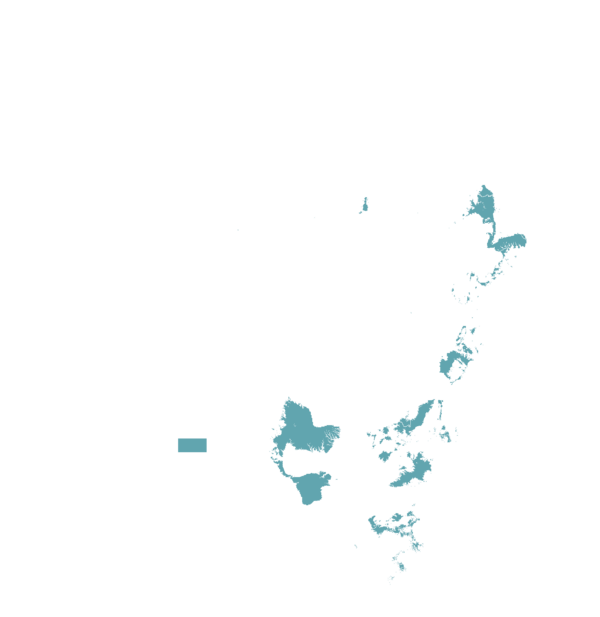
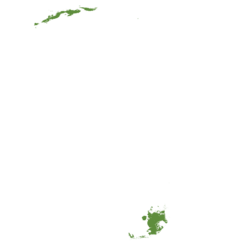
Countries with a green colour
Tested & adopted
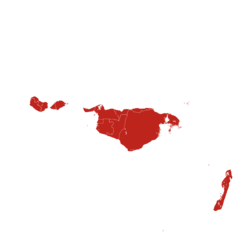
Countries with a bright green colour
Adopted
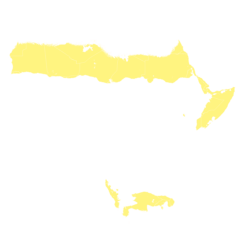
Countries with a yellow colour
Tested
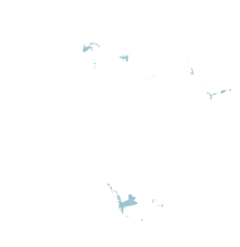
Countries with a blue colour
Testing ongoing
Egypt Equatorial Guinea Ethiopia Algeria Angola Benin Botswana Burundi Burkina Faso Democratic Republic of the Congo Djibouti Côte d’Ivoire Eritrea Gabon Gambia Ghana Guinea Guinea-Bissau Cameroon Kenya Libya Liberia Madagascar Mali Malawi Morocco Mauritania Mozambique Namibia Niger Nigeria Republic of the Congo Rwanda Zambia Senegal Sierra Leone Zimbabwe Somalia South Sudan Sudan South Africa Eswatini Tanzania Togo Tunisia Chad Uganda Western Sahara Central African Republic Lesotho
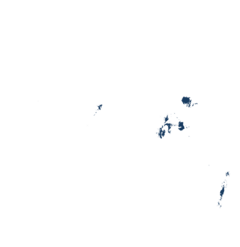
Countries where the technology is being tested or has been tested and adopted
Country Testing ongoing Tested Adopted
Ghana –No ongoing testing Tested Adopted
Uganda –No ongoing testing Tested Adopted

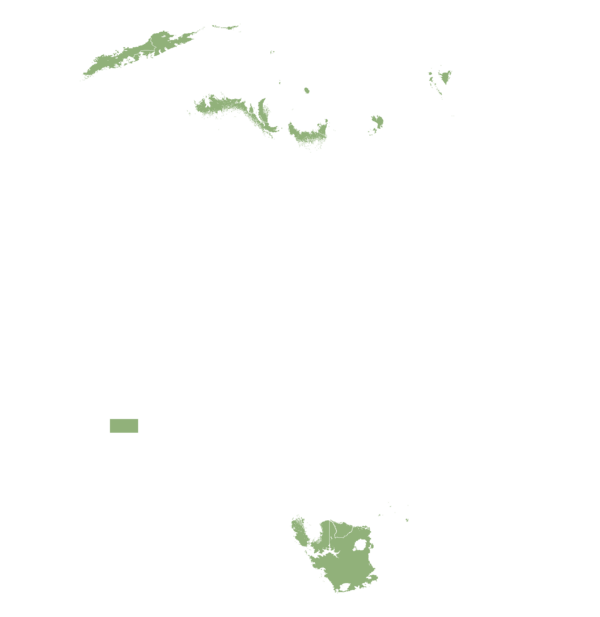
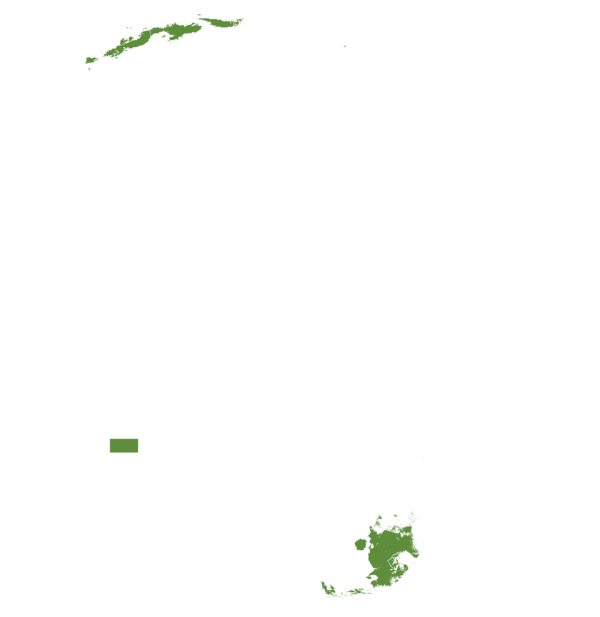
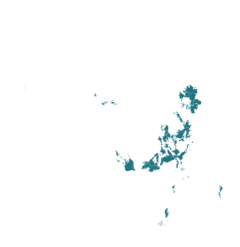
This technology can be used in the colored agro-ecological zones. Any zones shown in white are not suitable for this technology.
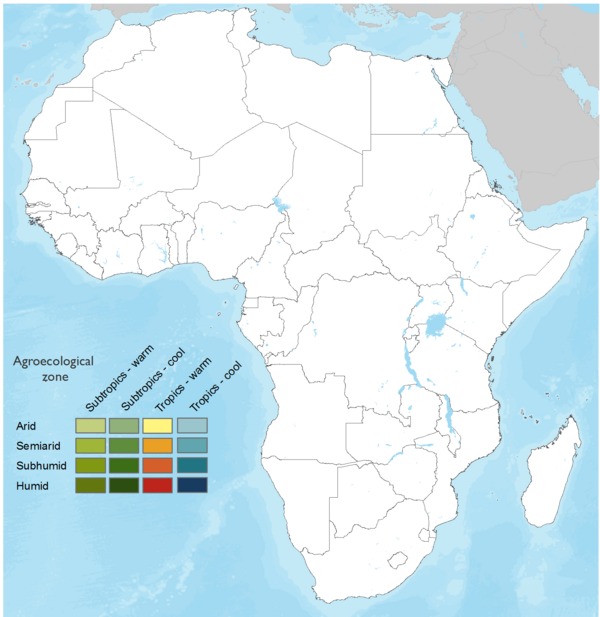
Agro-ecological zones where this technology can be used
AEZ Subtropic - warm Subtropic - cool Tropic - warm Tropic - cool
Arid
Semiarid
Subhumid
Humid

Source: HarvestChoice/IFPRI 2009

The United Nations Sustainable Development Goals that are applicable to this technology.
Sustainable Development Goal 2: zero hunger
Goal 2: zero hunger
Sustainable Development Goal 8: decent work and economic growth
Goal 8: decent work and economic growth
Sustainable Development Goal 10: reduced inequalities
Goal 10: reduced inequalities
Sustainable Development Goal 15: life on land
Goal 15: life on land

  1. Identification of Recommended Best Practices: Identify the recommended best practices that are often unaffordable for many farmers to implement. 
  2. Breaking Down into Smaller, Affordable Packages: Deconstruct these practices into smaller, more manageable and cost-effective packages.
  3. Phased Implementation Strategy: Design a phased implementation plan to incorporate these smaller packages in stages.

  4. Assessment of Agro-Ecological Variables and Farmer Needs: Consider specific agro-ecological variables and the needs of the farmers.
  5. Guiding Incremental Investment: Guide farmers on incremental investment in specific sets of practices according to their requirements and the timing of implementation.
  6. Informing Smallholder Farmers: Provide information to smallholder farmers regarding the most efficient incremental investments needed to improve coffee yields and enhance their livelihoods.
  7. Increasing Awareness and Knowledge: Increase awareness and knowledge about climate-smart agricultural practices, contributing to the resilience of smallholder farmers.
  8. Informing Public and Private Sectors: Inform both public and private sectors about more effective strategies for targeting extension support to smallholder coffee farmers.

Last updated on Sep 21, 2026